

Can Families with Kids Do the Serengeti Migration Safari?
Watching a million wildebeests thunder across the golden savannah plains is an educational and life-changing experience for a young mind. Yet, when parents begin planning a luxury family safari to track the Great Migration across the Serengeti-Mara ecosystem, a wave of hesitation often hits.
Yes, families with kids can absolutely do a Serengeti Migration safari, provided you swap long overland road trips for private fly-in aviation charters and secure private-use 4x4 vehicles. While the wilderness is raw, basing your family in exclusive-use safari villas or luxury tented camps with dedicated kids' clubs and private nanny networks guarantees a completely safe, insulated, and deeply rewarding experience for all generations.
Can Families with Kids Do the Serengeti Migration Safari? The Definitive Luxury Family Guide 2026-2027
Ages · Aviation · Lodges · Safety · Health · Gorilla Age Limits · Sample Itineraries Updated June 2026 ◆ Expert-Curated by Savannah Explore Africa Family Safari Specialists
It begins before you have even left the vehicle. Your child, who has spent the past hour asking whether they can have the window seat, has gone completely, utterly silent. Outside the glass close enough that you can hear the rhythm of movement a column of wildebeest stretches to the horizon. A thousand animals, then ten thousand, then a number that defeats counting. The dust rises in columns above the plain. And somewhere in that stillness beside you, something shifts. A child who has read about Africa in books understands, for the first time, what a million means. And yet, when parents begin planning a luxury family safari to track the Great Migration across the Serengeti-Mara ecosystem, a wave of hesitation often arrives alongside the excitement. Long dirt roads. Open safari vehicles near apex predators. Strict lodge age caps. Malaria precautions. A child who needs a bathroom stop in the middle of a game reserve. The logistics of taking young children into genuinely wild Africa feel, from a distance, formidable
They are not provided the planning is done properly. At Savannah Explore Africa, we design exclusively private, tailor-made family safaris that replace the exhaustion variables with engagement, and eliminate the logistical friction before it becomes parental stress. This guide distils everything we know about taking families of all ages into the Serengeti successfully not with generic reassurance, but with the specific operational detail that allows you to plan, prepare, and arrive with complete confidence.
"Children often remember the first elephant, lion, or giraffe they see in the wild for the rest of their lives. The Serengeti does not just show them the animal. It shows them what the world looked like before we changed it"
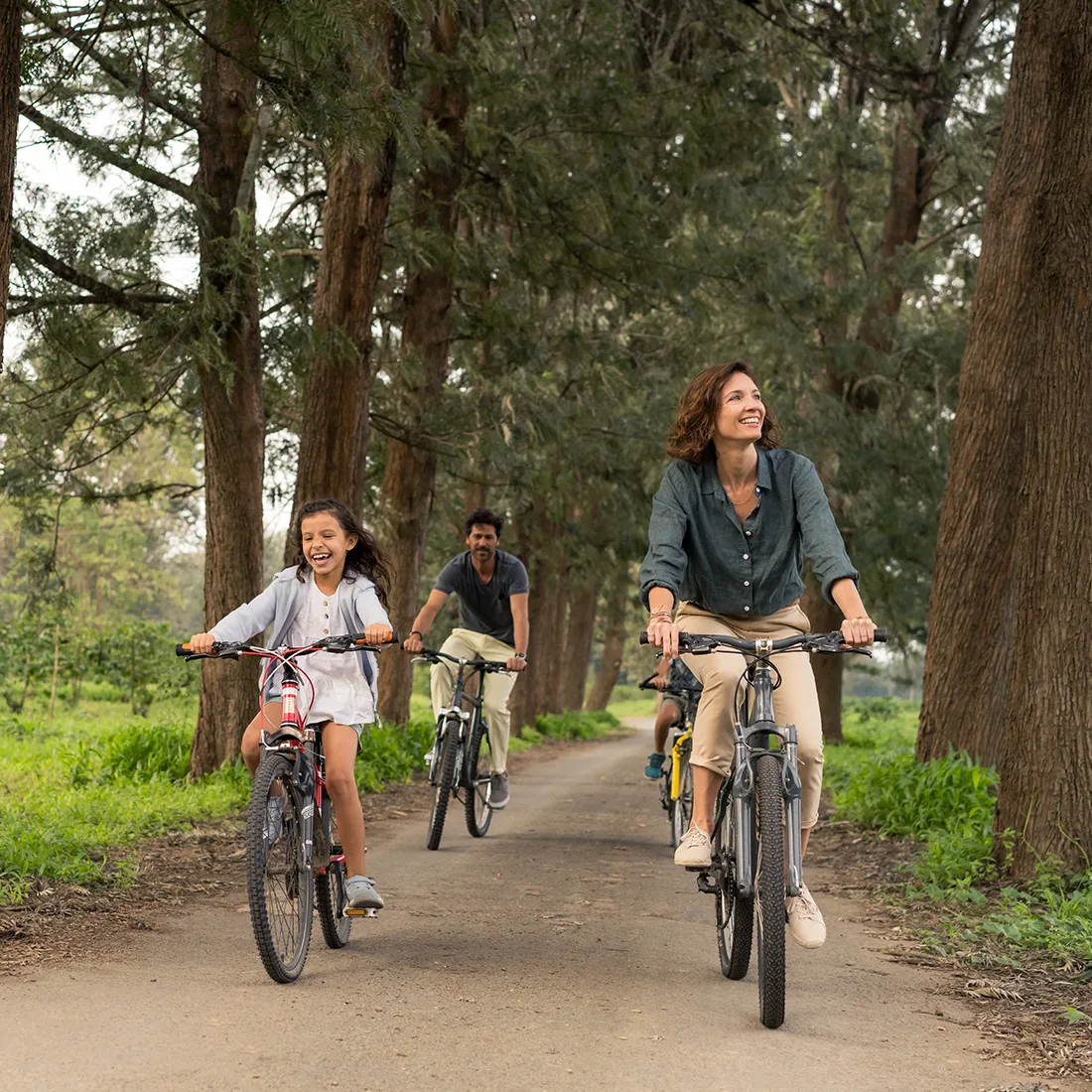
The Short Answer Can Families Do It?
Yes absolutely and emphatically. Families with children of all ages can experience the Serengeti Great Migration safari, provided the itinerary is designed with their specific needs at its centre. The key operational decisions are: choosing fly-in aviation over long overland road transfers; securing private safari vehicles with no shared passengers; selecting family-specific lodge properties with dedicated child facilities; and building realistic daily rhythms that balance wildlife viewing with the rest that children and parents genuinely need. The Serengeti is, in our considered experience, one of the finest family safari destinations in Africa. The Great Migration delivers near-constant wildlife activity that holds children's attention instinctively. The open landscape provides maximum visibility. And the educational experience it delivers not through instruction but through direct, unfiltered encounter with one of the most extraordinary natural systems on earth — is genuinely irreplaceable
Family Safari Configuration by Age, The Complete Matrix
The right safari design for a family with toddlers is fundamentally different from the right design for a family with teenagers. The table below maps the key operational parameters across all age groups so your itinerary starts from the right foundation.
Age Group | Transport | Ideal Lodge Style | Daily Drive Pacing | Signature Support Systems |
|---|---|---|---|---|
Toddlers (0 4) | Fly-in only zero long overland road transfers | Permanent stone walled lodges with fully enclosed perimeters and pool | 2-hour maximum morning loops with full mid day rest | Private in-room nanny services, customised baby menus, private vehicle buyout, no shared drives |
Young Children (5 11) | Fly-in to Serengeti airstrips (Seronera, Kogatende, Grumeti) | Luxury tented suites on raised decks; family lodges with junior ranger programmes | Split 3-hour morning and 2 hour afternoon drives with mid-day pool time | Junior ranger courses, spoor tracking lessons, wildlife journalling, private guide dedicated to the family |
Older Children (9 12) | Fly-in with flexibility for scenic overland segments | Luxury tented camps; lodges with conservation engagement programmes | Full 4–5-hour morning drives; optional afternoon drives | Naturalist-led education, cultural visits, wildlife photography tuition, bush survival skills |
Teenagers (13–17) | Multi destination flight circuits (Tanzania,Kenya,Uganda,Rwanda) | Immersive mobile camps following the migration;luxury private tented camps) | Full-day game tracking expeditions with gourmet bush picnics | Conservation research participation, camera gear calibration, gorilla trekking (15+), wildlife researcher discussions |
What Is the Best Age for a Serengeti Family Safari?
A G E S 0 – 4 Toddlers | A G E S 5 – 1 1 Young Children |
|---|---|
Toddlers can make wonderful safari companions, but the itinerary requires the most careful engineering of any age group. The non-negotiable requirement is fly-in aviation — the six-to-eight-hour overland road journey from Arusha to the Serengeti on unpaved tracks is a reliable source of car sickness, physical fatigue, and emotional meltdown for children under five. A fifty- minute flight transforms this completely. ◆ Fly-in only no exceptions for children under five ◆ Game drives capped at two hours with the vehicle returning to the lodge before fatigue sets in ◆ Private vehicle buyout essential shared vehicles cannot accommodate the flexibility toddlers require ◆ Choose lodges with perimeter security, dedicated nanny services, and a swimming pool as the afternoon activity anchor The Serengeti is absolutely achievable with toddlers. The wildlife is genuinely captivating for very young children — elephants and giraffes in particular produce immediate, sustained delight. | This age group is old enough to understand and genuinely delight in what they are seeing, but attention spans still benefit from structured rhythms. The ideal approach is split morning and afternoon drives with a substantial mid-day rest period — usually centred on the lodge pool — that replenishes energy for the afternoon experience. ◆ Three-hour morning drives followed by lodge rest and afternoon activities ◆ Junior ranger programmes — spoor tracking, bush survival skills, star-gazing make the lodge hours as engaging as the vehicle hours. ◆ Child-sized binoculars transform passive observation into active wildlife hunting ◆ A wildlife journal maintained throughout the trip provides structure and a lasting souvenir Children in this range are often the most spontaneously joyful safari companions their reactions to wildlife are entirely unfiltered and consistently infectious. |
AGES 9 – 12 Older Children | AGES 13 – 17 Teenagers |
|---|---|
Children in this range represent the safari sweet spot. They sustain engagement across longer drives, ask substantive questions of naturalist guides, and begin to develop a genuine understanding of the ecological system they are witnessing. Wildlife photography becomes a meaningful interest; conservation discussions land with real resonance. ◆ Full four to five hour morning drives are comfortably achievable ◆ Cultural visits to Maasai communities add meaningful human context to the wildlife experience ◆ Photography tuition from guides composition, light, patience produces images children are genuinely proud of ◆ Guided bush walks (where permitted and appropriate) begin to become a realistic option This age group's capacity for genuine intellectual engagement with the Serengeti ecosystem guided by an excellent naturalist is consistently impressive to witness. | Teenagers are ideal safari companions in almost every respect their capacity for extended engagement, their genuine interest in conservation, their enthusiasm for photography and their willingness to participate fully in wildlife research discussions makes them naturally suited to the Serengeti's rhythm. The additional option of gorilla trekking (minimum age 15) for multi-destination itineraries adds a dimension unavailable to younger siblings ◆ Full-day game tracking expeditions including gourmet bush picnics work well ◆ Conservation research participation with resident naturalists is available at select lodges ◆ Uganda and Rwanda gorilla trekking available for those 15 and over see the gorilla age section below ◆ Multi-country circuits (Tanzania, Kenya, Rwanda and Uganda ) create a comprehensive East Africa journey A teenager who experiences the Serengeti often returns to Africa and many develop conservation-driven careers or advocacy as a direct result of what they encounter here. |
Why the Great Migration Is Perfect for Families?
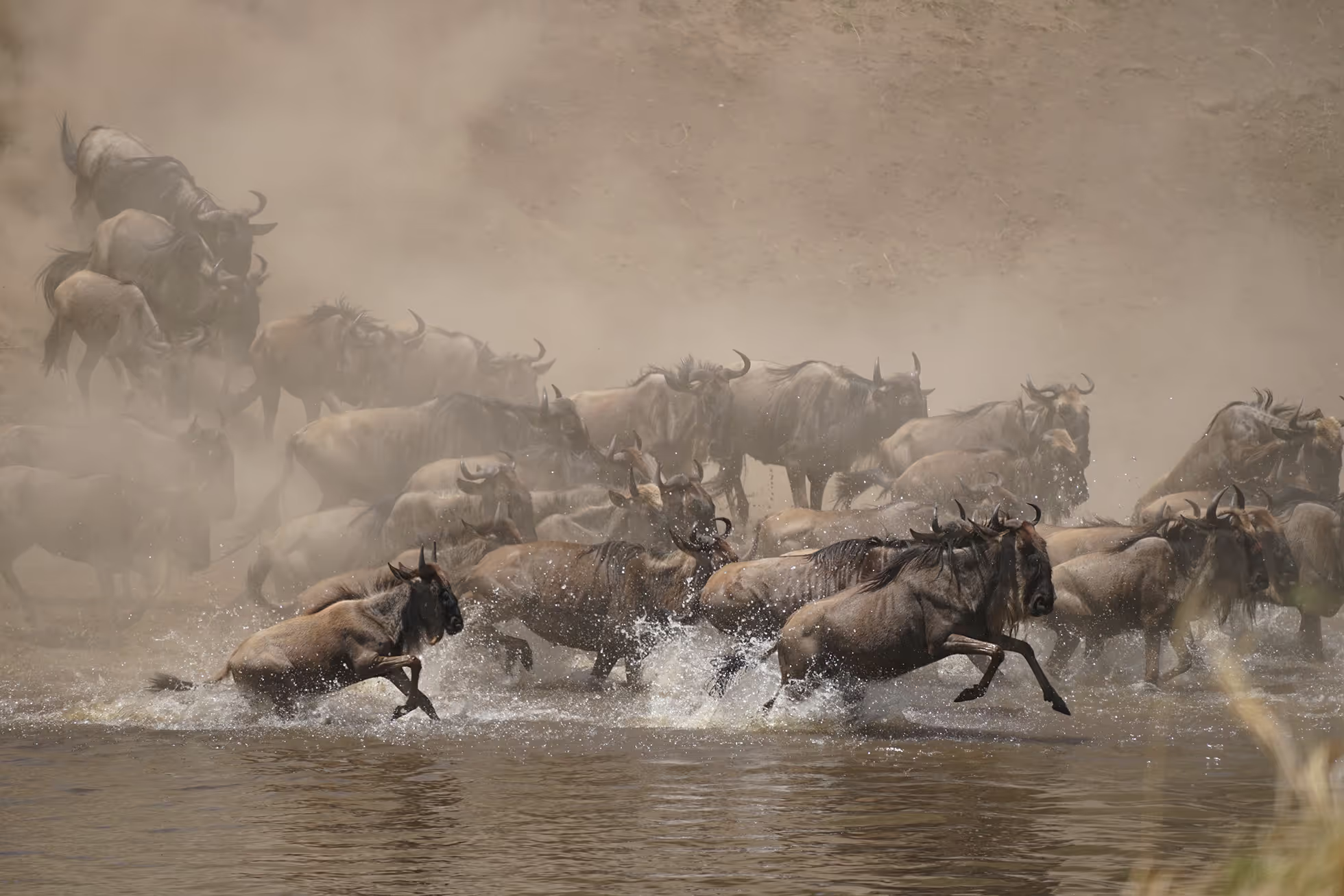
The Great Migration the annual movement of approximately 1.5 million wildebeest, 200,000 zebra, and hundreds of thousands of gazelle across the Serengeti-Maasai Mara ecosystem is, in terms of sheer spectacle, the most instinctively accessible major wildlife event in Africa for children. It requires no specialist knowledge. It produces no long, quiet waiting without reward. It is simply, immediately, overwhelmingly alive.
Wildebeest Herds Columns stretching beyond the visible horizon numbers that defeat imagination | Zebra & Gazelle Moving alongside wildebeest in the vast mixed herds of the open plains | Lions Hunting Pride dynamics and predator behaviour at close, unobstructed range |
|---|---|---|
Cheetah in Pursuit The world's fastest land animal at full speed across open grassland | Elephants with Calves Family groups the young closely guarded by the matriarch | Giraffes Browsing Moving between acacia trees with improbable, unhurried elegance |
Hippos in the Mara Dense, audible gatherings in the river pools — best at close boat range | River Crossings Crocodiles and wildebeest nature's most dramatic recurring spectacle | Raptors & Vultures The ecosystem's clean-up crew nature's efficiency, visible and raw |
The river crossings at the Grumeti in June and July, and the Mara River from July through October deserve particular mention. Hundreds of wildebeest plunging into crocodile-filled water produces a scene of noise, movement, and biological intensity that creates an immediate, visceral response in children of every age. It is one of the most extraordinary things a human being can witness and children describe it, years later, with the same immediacy as the day it happened.
The Fly-In Solution Why Aviation Transforms Family Safari.
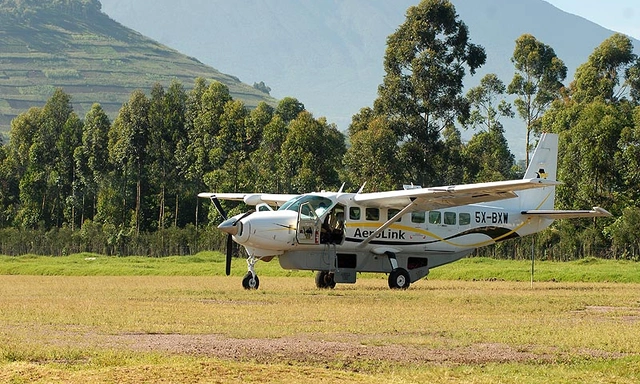
The fastest and most reliable way to damage a family safari is to force young children to endure the notorious six-to-eight-hour overland road transfer between Arusha and the central or northern Serengeti. The tracks are unpaved. The vehicle vibration is constant. The journey produces car sickness, physical fatigue, and in children under seven the kind of emotional meltdown that colours the beginning of an expensive holiday in ways that are difficult to recover from. The solution is private fly-in aviation and for families with children under twelve, it is not an optional upgrade but a foundational requirement of a well-designed itinerary. Your family boards a premium Cessna Grand Caravan at Kilimanjaro International Airport (JRO) or Arusha Airstrip. Fifty minutes later, you touch down on a bush airstrip Seronera, Grumeti, or Kogatende depending on your destination and your private guide meets you directly on the tarmac. Your children arrive at the lodge completely fresh, energised, and already animated by the aerial views of the Serengeti that have been unfolding beneath them throughout the flight.
◆ Aircraft: Cessna Grand Caravan or equivalent scenic, comfortable, and entirely manageable for children
◆ Airstrips served: Seronera (Central Serengeti), Grumeti (Western Serengeti), Kogatende (Northern Serengeti, near river crossings)
◆ Ground transfer on arrival: typically 10–30 minutes from the airstrip to the lodge by private vehicle
◆ Luggage restriction: 15 kg soft-sided bags per person — coordinate with your operator in advance for family luggage management
◆ Flight time: approximately 45–60 minutes from Arusha or Kilimanjaro to Serengeti airstrips.
For multi-park itineraries Arusha to Tarangire to Ngorongoro to Serengeti inter-park bush flights of 20–40 minutes replace what would otherwise be two to three additional road transfer days. For families, this is transformative
Open Safari Vehicles and Predator Proximity The Safety Reality
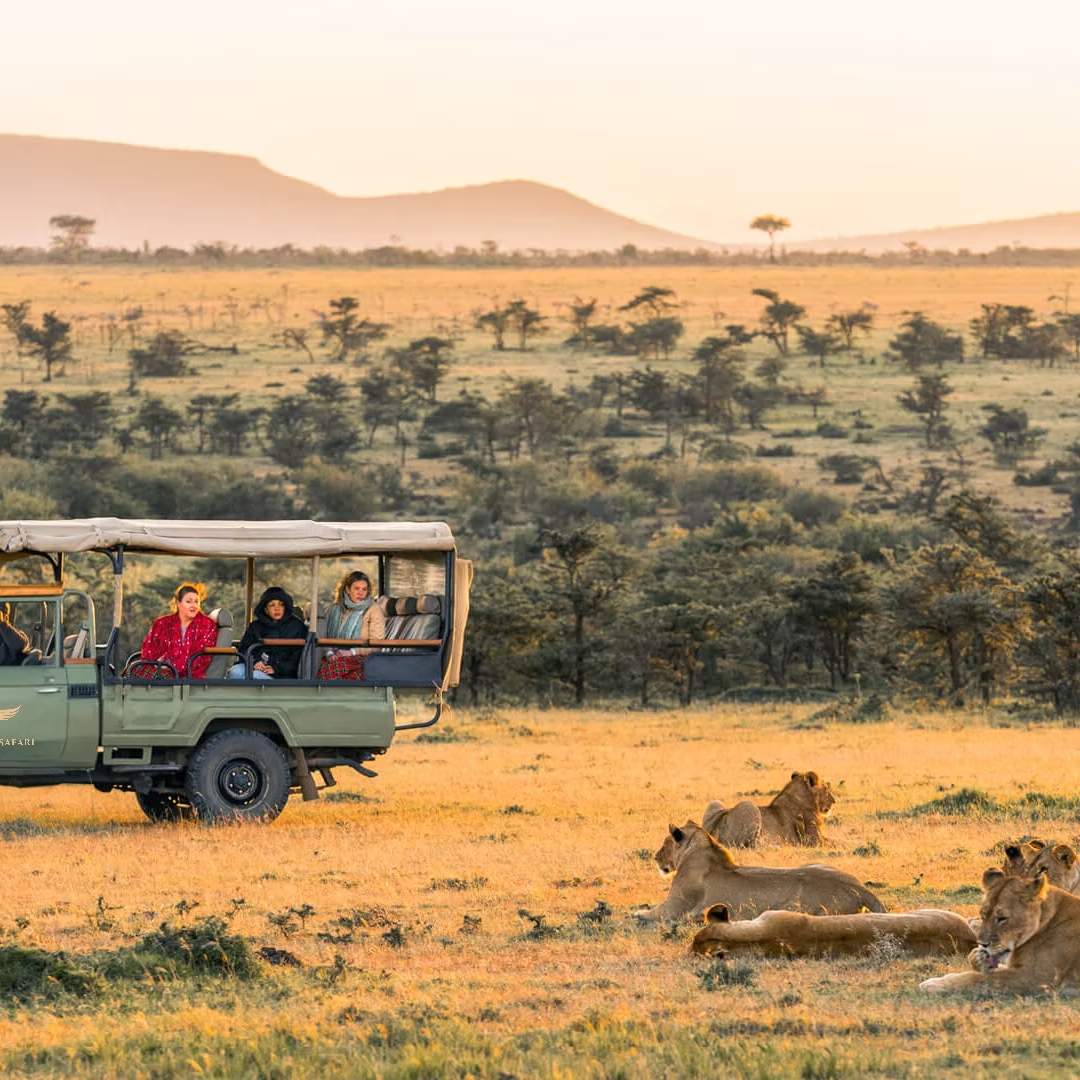
The primary anxiety for parents planning a first family safari is almost always the open-sided safari
vehicle. How safe is it? What happens when a lion is twenty metres away? Can a child's movement
or noise attract dangerous attention?
The answers, from decades of safari operation, are reassuring and understanding the underlying
wildlife psychology helps. Large predators lions, leopards, cheetahs perceive the safari
vehicle not as a collection of individual humans but as a single, large, neutral entity. The size, scent, and consistent, non-threatening presence have been established over generations of
habituated wildlife viewing. The animals are entirely uninterested in the vehicle as a threat or a
target.
What does require management is sudden loud sound or rapid unexpected movement from within
the vehicle which can startle skittish wildlife in unpredictable ways. This is precisely why private
vehicle buyout for families with younger children is essential rather than optional. A private vehicle
allows your guide to manage the environment completely: returning to the lodge the moment a child
grows restless, repositioning immediately if a sighting becomes overstimulating for a young child,
and maintaining the calm, still atmosphere that produces the finest wildlife encounters.
Savannah Explore Africa mandates private vehicle buyouts for all families travelling with
children under 12. This is not a up sell it is a fundamental safety and quality requirement
that every experienced family safari operator should apply as standard.
Best Season for a Family Migration Safari
The Great Migration is year-round the herds are always moving somewhere in the ecosystem.
But the character of what families witness changes significantly by season, and choosing the right
timing is as important as any other planning decision.
Season | Migration Activity | Family Suitability |
|---|---|---|
Jan – Feb | Calving season southern Serengeti. Hundreds of thousands of wildebeest calves born. Predator activity peaks dramatically | Exceptional calves and intensive predator action; some of the most dramatic and accessible wildlife encounters of the year |
Mar – May | Herds move north and west through green season rains. Lush landscape, fewer visitors. | Good lower lodge rates and quieter game drives; some camps close April. Excellent scenery and bird watching. |
Jun – Jul | Herds cross the Grumeti River heading north. First dramatic crossings of the season begin | Very Good first river crossings, excellent wildlife density, good weather; school holiday compatible |
Jul – Oct | Peak season massive Mara River crossings in northern Serengeti. Maximum predator activity and wildlife concentration. | Outstanding the quintessential migration experience; aligns with northern hemisphere school summer holidays |
Nov – Dec | Herds move south toward calving grounds. Short rains bring fresh green grass. | Good scenic, strong wildlife, lower visitor numbers before the December holiday peak |
For families visiting during school holidays, the peak July–October window aligns perfectly
with the northern hemisphere summer break making it both logistically convenient and
coincident with the most dramatic migration activity of the entire year. Book nine to twelve
months in advance.
Choosing the Right Family Lodge
The choice of accommodation is, for families with children, as important as any other itinerary
element. What follows are the features that distinguish a genuinely family-ready lodge from one that
merely tolerates younger guests and two specific property profiles at the pinnacle of Serengeti
family luxury.
Family Suites & Private Villas Self-contained family accommodation — parents and children with their own sleeping spaces within a shared suite, or exclusive-use villas for complete privacy and schedule independence | Swimming Pools The afternoon pool becomes the lodge's social centre for families. After a morning game drive, pool time provides the active, unsupervised-feeling rest that recharges children for the evening experience. |
|---|---|
Junior Ranger Programmes Naturalist-led activities calibrated for children spoor tracking, bush survival skills, wildlife journalling, star-gazing, and conservation education that make lodge hours as engaging as vehicle hours | Flexible Dining & Children's Menus Early dinner options, familiar food choices, allergen-aware menus, and dining flexibility that accommodates the unpredictable rhythms of travelling with children of any age. |
Private Safari Vehicles Your dedicated guide and vehicle means departures happen when your family is ready, stops happen on demand, and the day's schedule is entirely yours to shape | Secure Perimeters Fenced or well-supervised lodge grounds allow children to move freely between facilities — essential at properties in unfenced areas where wildlife moves through camp at dawn and dusk. |
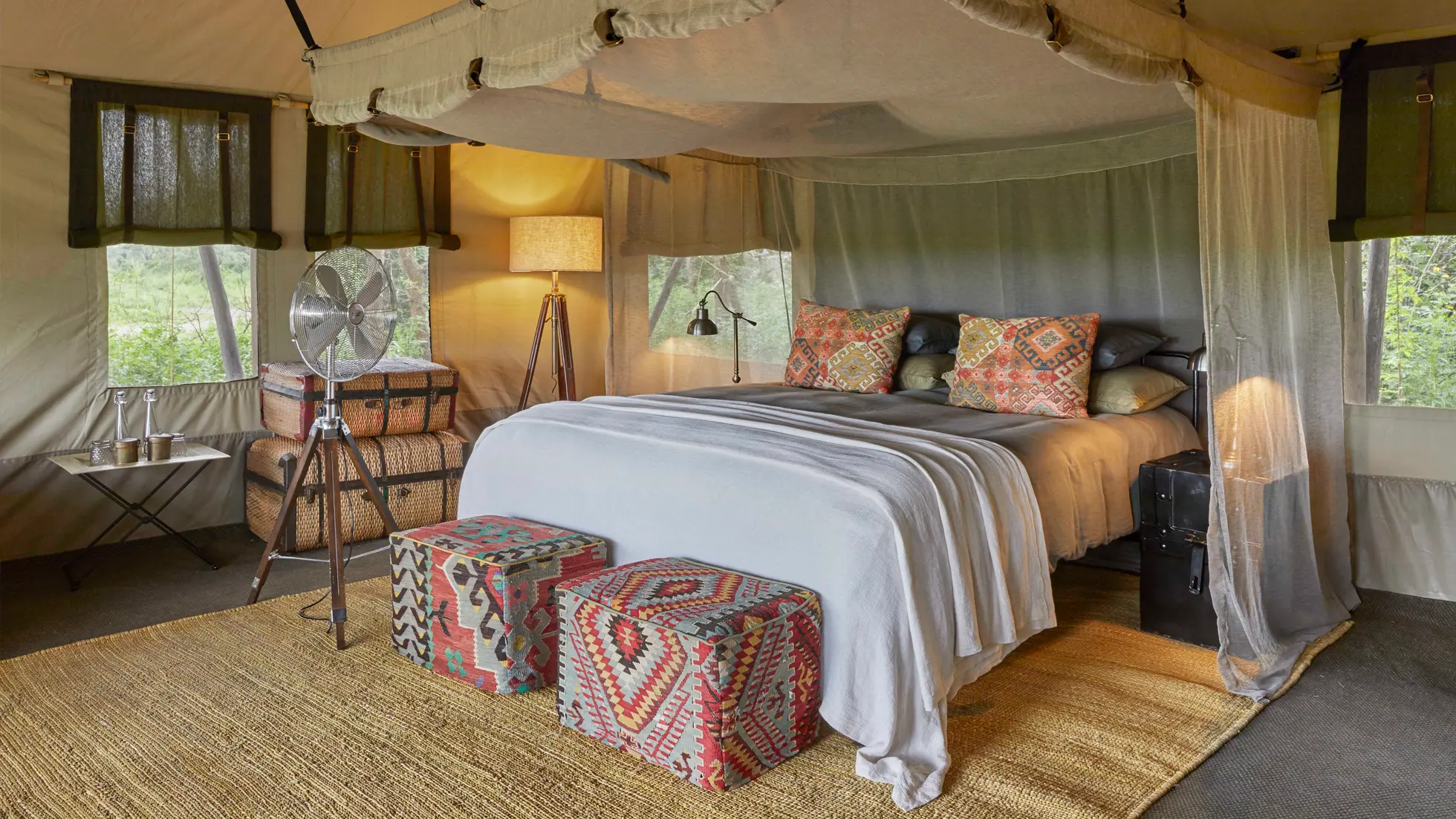
Singita Serengeti House & Sasakwa Lodge Grumeti Reserves
F A M I L Y L U X U R Y P I N N A C L E · W E S T E R N S E R E N G E T I Singita Serengeti House & Sasakwa Lodge |
|---|
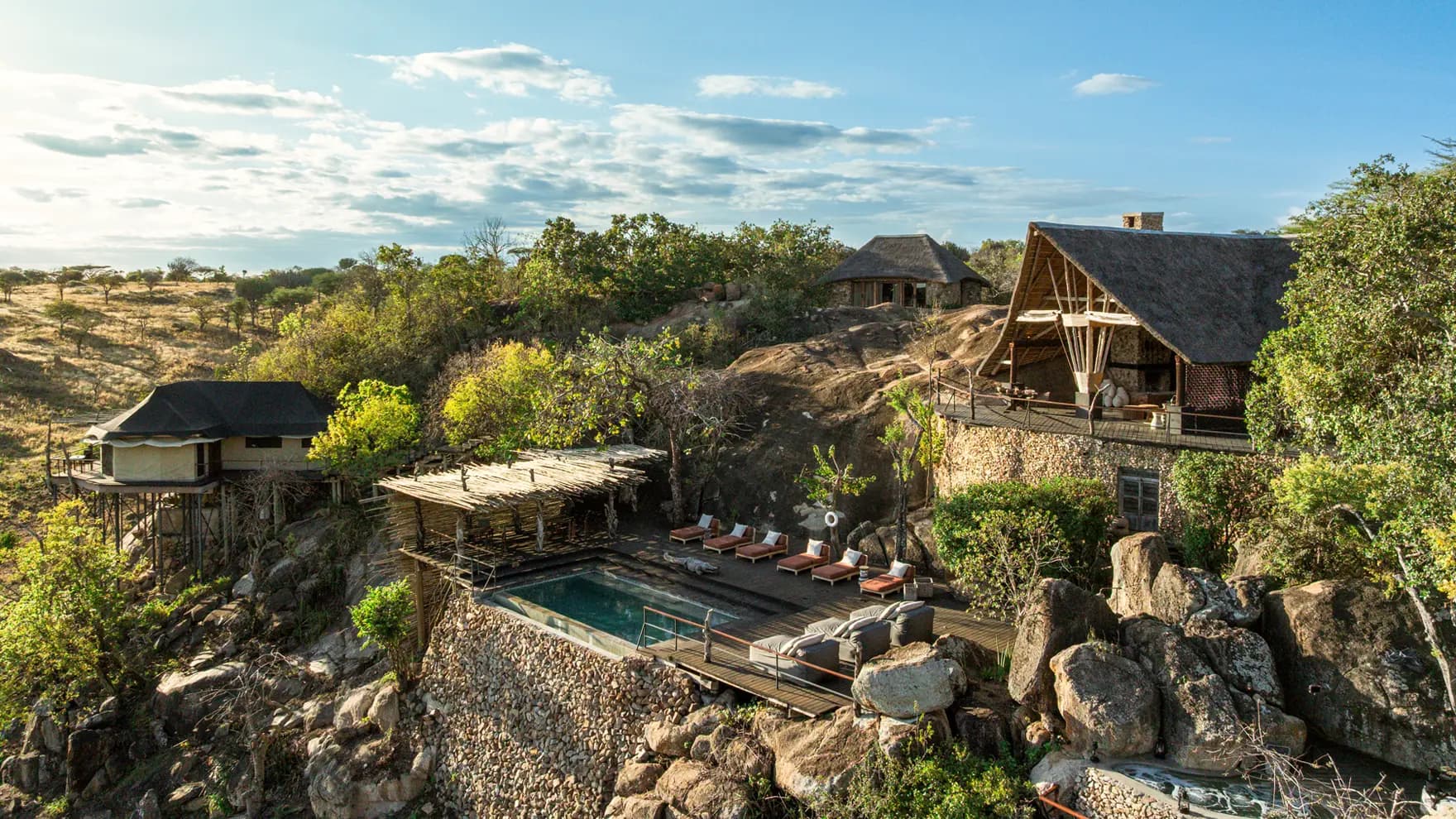
Located within the private Grumeti Reserves an exclusive concession bordering the western Serengeti Singita Serengeti House is a four-bedroom, private-use family villa designed with extraordinary care for families seeking complete luxury insulation. The house operates entirely for your party alone: a dedicated chef, private butler, exclusive safari vehicle, and infinity pool ensure that the experience is shaped entirely around your family's rhythm rather than a shared camp schedule. Children are enrolled in the Singita Mini-Rangers Course among the finest junior naturalist programmes in Africa: 1. Spoor Tracking: Learning to identify predator paw prints, bird tracks, and herbivore trails in real Serengeti terrain 2. Cosmic Star-Gazing: Navigating the Southern Hemisphere's extraordinary night skies using high-powered telescopes with a resident astronomer 3. Bush Survival Skills: Finding water in local flora, fire-making, navigation by natural markers skills delivered as adventure, absorbed as education 4.Wildlife Conservation Debates: For older children and teenagers, structured discussion with Singita's conservation researchers on anti-poaching, community partnership, and habitat management Ideal for: Families of all ages seeking complete privacy, a single fixed base, and the highest tier of Serengeti family luxury |
Four Seasons Safari Lodge Central Serengeti
P E R M A N E N T A R C H I T E C T U R E · C E N T R A L S E R E N G E T I Four Seasons Safari Lodge Serengeti |
|---|
For parents who prefer the physical predictability of permanent stone-and-glass architecture over tented accommodation and who are travelling with very young children for whom the security of a solid perimeter matters the Four Seasons Serengeti offers an unmatched combination of conventional five-star hotel standards within a genuinely wild Serengeti setting. The property is designed around an active watering hole that draws wild elephant herds, zebra, and baboon throughout the day meaning wildlife encounters are available from elevated, fully fenced viewing decks without leaving the lodge grounds. The dedicated Kijana Kids Club extends this into structured, educationally rich programming: ◆ Basic Swahili language lessons children acquire ten to fifteen phrases over a three-day stay ◆ Wildlife conservation education alongside resident researchers ◆ Nature journals and guided wildlife spotting from the lodge's elevated viewing platforms Ideal for: Families with toddlers or very young children; parents who prefer conventional hotel architecture; multi-generational groups with varied mobility requirements |
How Long Should a Family Safari Be?
4–5 Days F O C U S E D S E R E N G E T I Ideal when the Serengeti forms part of a broader Tanzania itinerary. Enough time for multiple game drives without travel fatigue for younger children. | 6–8 Days T H E S W E E T S P O T Our most frequently recommended family duration. Sufficient time for varied experiences, optional lodge transition, and adequate daily rest at a sustainable pace. | 10+ Days G R A N D F A M I LY C I R C U I T Combines Serengeti with Ngorongoro, Tarangire, and Zanzibar — the complete Tanzania family experience for families with time and appetite for depth. |
|---|
The most common planning error is trying to see too much in too little time. The Serengeti rewards
those who stay a family that spends three consecutive drives in the central Serengeti will have
more extraordinary encounters than one that rushes between three parks in the same number of
days. Choose fewer destinations. Go deeper into each.
Sample 8-Day Luxury Family Migration Safari
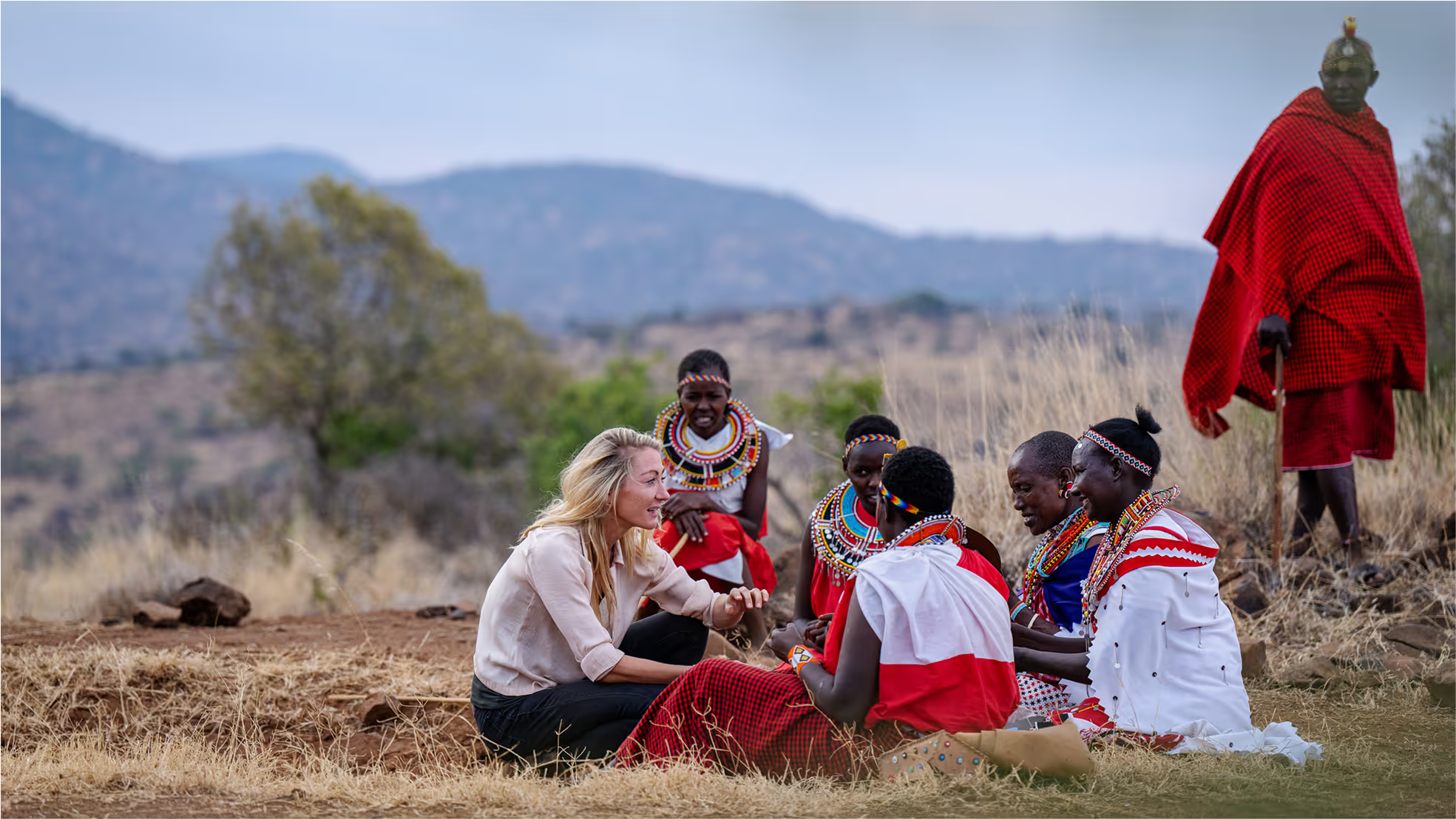
8 - DAY T A N Z A N I A FAMILY M I G R A T I O N S A F A R I — FLY- I N T H R O U G H O U T D A Y 1 Arrive Kilimanjaro Rest & Orientation International arrival at JRO. Private airport meet-and-greet; transfer to a comfortable Arusha lodge. Afternoon rest, wildlife briefing for the children, early family dinner. The pace begins deliberately unhurried. D A Y 2 Fly to Tarangire National Park 40-minute bush flight from Arusha Airstrip to Tarangire. Afternoon game drive focused on Tarangire's extraordinary elephant herds an accessible, high-density wildlife introduction that captivates children immediately. Baobab trees and the Tarangire River provide a landscape unlike anything the Serengeti offers. D A Y 3 Ngorongoro Crater Drive or fly to the crater rim; descend for a full day on the crater floor. The Ngorongoro's enclosed ecosystem provides the most concentrated Big Five viewing on the continent ideal for families with younger children who benefit from density over distance. Rhino, lion, elephant, flamingo, and buffalo within a single day. D A Y S 4 6 Serengeti Three Days Following the Migration Fly-in to the Serengeti airstrip closest to the migration's current location (Seronera for the calving grounds, Kogatende for the northern river crossings). Three days with a single lodge base, private vehicle, and dedicated guide morning drives, mid-day rest and junior ranger activities, afternoon drives, evening sundowners on the plain The depth of three consecutive Serengeti days is what separates a great family safari from a merely good one. D A Y 7 Cultural Experience & Farewell Drive Morning visit to a Maasai community elders, traditional practices, community market, and a direct conservation discussion about wildlife coexistence. Final afternoon game drive. Celebration dinner at the lodge with the guide team. D A Y 8 Fly to Arusha Departure Bush flight back to Arusha or direct JRO connection for international departure. Optional morning drive if schedule permits. Departure with eight days of shared family memory and a wildlife journal that will be referenced for years. |
|---|
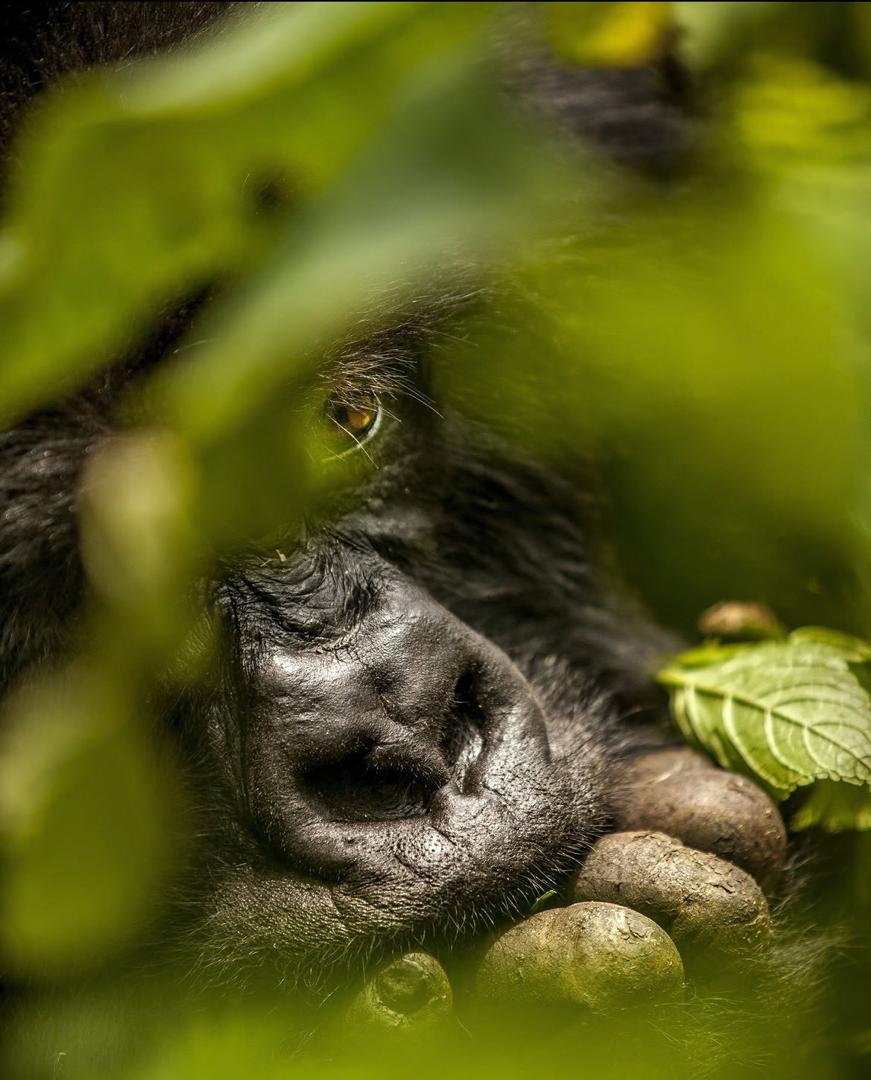
The Gorilla Trekking Age Limit What Families Need
to Know.
Many families planning a broader East Africa circuit wish to combine the Serengeti with mountain
gorilla trekking in Rwanda or Uganda. The experience is extraordinary but there is a hard age
restriction that must be understood before building any multi-destination itinerary.
Both Uganda Wildlife Authority and Rwanda Development Board enforce a strict minimum age of
15 years for all gorilla trekking participants. This restriction is enforced for conservation reasons
young children are more likely to carry human respiratory infections that gorillas are highly
susceptible to, and the trek's physical demands and the need for controlled, quiet behaviour in the
gorilla family's presence make younger participation inappropriate.
For families with children under 15 who wish to include Rwanda or Uganda in their itinerary,
Savannah Explore Africa designs parallel programming: while parents trek gorillas in the morning,
younger children participate in supervised, fully staffed cultural, culinary, and nature activities at the
lodge often returning to the same meeting point by late morning with entirely separate but
equally memorable experiences to share at lunch.
Golden monkey trekking in Rwanda and Uganda (minimum age varies by lodge typically 5 years) and
chimpanzee tracking in Uganda (minimum age typically 12 years) provide family-
appropriate primate encounters for those below the gorilla trekking minimum age
Critical Practical Considerations for Family Safari
Malaria Prevention for Children |
|---|
The Serengeti is a malaria-endemic region, and prophylaxis is strongly recommended for all family members travelling to the area. While luxury lodges implement extensive preventative measures evening insect fogging, electronic repellent units, high-grade mosquito netting over all beds, and spray stations at entrances these are supplementary to medical prophylaxis, not replacements for it. ◆ Consult your paediatrician at least four to six weeks before travel to secure the correct paediatric dosage of Atovaquone/proguanil (Malarone) or an appropriate alternative ◆ Apply unscented, DEET-based insect repellent regularly particularly at dawn and dusk, when mosquito activity peaks ◆ Ensure children wear long sleeves and trousers during the high-risk hours of dawn and dusk, even in warm temperatures ◆ Carry sufficient medication to cover the full trip including the post-travel period that most prophylaxis regimens require Rwanda's high-altitude areas (Volcanoes National Park) have significantly lower malaria risk than the Serengeti's savannah zones families combining both destinations should discuss destination- specific malaria risk with their travel health physician. |
Food Allergy Management at Remote Lodges |
|---|
Food allergies require proactive management on safari particularly at remote bush camps where kitchen resources differ from urban hotel environments. The luxury properties Savannah Explore Africa partners with employ executive chefs trained in strict cross- contamination protocols, and the finest family lodges treat allergen management as a critical safety requirement rather than an inconvenience. ◆ Disclose all allergies — including severity and reaction type — in detail during the initial booking consultation, not just at arrival ◆ Savannah Explore Africa delivers a comprehensive dietary brief to each lodge's culinary team 72 hours before your arrival, ensuring customised allergen-free menus are pre-engineered for your children ◆ Carry epinephrine auto-injectors (EpiPens) and all prescribed allergy medication in your hand luggage never in checked or stored bags ◆ Verify with the lodge at check-in that the dietary brief has been received and reviewed by the kitchen team before the first meal Pack sealed, familiar snack supplies as a backup energy bars, trail mix, and familiar packaged foods that you know are safe provide reassurance during game drives when lodge meals are not accessible. |
Bathroom Logistics on Game Drives |
|---|
This is one of the most frequently asked practical questions from parents planning their first family safari and one that deserves a direct, detailed answer. Exiting the vehicle in an active game reserve is strictly regulated for predator safety reasons: stepping out of the vehicle in the presence of wildlife is not permitted without a guide's explicit instruction and safety assessment. ◆ Your private guide maps every drive route around the park's secure, fenced ranger picnic sites and visitor centres typically encountered every two to three hours which feature clean western-style facilities ◆ For urgent situations in open bush, your guide performs a thorough safety sweep of a clear, open area away from tall grasses, positions the vehicle to create a privacy perimeter, and remains alert throughout ◆ Timing drives to include a stop at known facilities usually mid-morning provides a structured bathroom break that young children can anticipate and plan around ◆ For toddlers, travel nappies or pull-ups eliminate the logistics concern entirely during game drives Discuss bathroom logistics explicitly with your guide at the start of every drive a professional guide has managed this for dozens of families and will pre-plan accordingly without any awkwardness |
What to Pack for Children on a Serengeti Safari.
◆ Lightweight long-sleeved shirts in neutral colours khaki, green, beige; not white or bright | ◆ Long trousers and shorts quick-dry fabric only; avoid denim |
|---|---|
◆ Wide-brimmed sun hat essential for open vehicle game drives | ◆ SPF 50+ sunscreen reapply every two hours on open vehicles |
◆ DEET-based insect repellent applied at dawn and dusk particularly | ◆ Child-sized binoculars transforms observation into active participation |
◆ Light fleece or gilet Serengeti mornings can be genuinely cold | ◆ Waterproof layer brief afternoon rains possible in some seasons |
◆ Comfortable closed-toe shoes for lodge grounds and any walking | ◆ Reusable water bottle (1 litre minimum) hydration essential on open vehicles |
◆ Camera or tablet photography is a genuine engagement tool for older children | ◆ Wildlife journal and pencils the single most effective engagement tool across all ages |
◆ Familiar snacks especially important for under-8s during long drives | ◆ Comfort items and familiar objects for toddlers, sleep routine anchors matter at altitude |
Family Safety on Safari , The Non-Negotiable Rules
The Serengeti is a safe destination for family travel when visitors follow their guide's instructions
consistently and without exception. These rules are not suggestions they are the framework
within which the wildlife experience remains as extraordinary as it is safe.
F A M I LY S A F E T Y G U I D E L I N E S |
|---|
◆ Never exit the vehicle without the guide's explicit permission even in apparently quiet areas, wildlife not visible from inside the vehicle may be present nearby ◆ Maintain volumes low during wildlife encounters sudden loud sounds can startle wildlife and compromise the quality and safety of the sighting ◆ Supervise children at all times within lodge grounds particularly at unfenced properties where wildlife moves through camp at dawn and dusk ◆ Always use lodge escorts after dark staff provide escorts between facilities after sunset; always request one rather than walking independently ◆ Attend the lodge's arrival safety briefing with your children so they understand the specific rules of their environment from the first evening ◆ Never feed any wildlife, including birds and small animals at the lodge habituation creates dangerous expectations for wildlife that can escalate unpredictably ◆ Maintain respectful distances from all wildlife your guide manages approach proximity; trust their judgment and do not request closer access than they recommend |
Family Safari Combinations Beyond the Serengeti.
Serengeti + Ngorongoro Crater Tanzania's definitive combination — the world's greatest plains safari paired with its most concentrated wildlife ecosystem. Add two to three days. | Serengeti + Tarangire Tarangire's elephant herds and ancient baobab landscape provide a perfectly contrasting companion to the Serengeti's open plains. Add two days | Serengeti + Zanzibar The ideal family safari structure — wilderness followed by the Indian Ocean. A natural, deeply satisfying conclusion that every family member looks forward to |
|---|---|---|
Serengeti + Maasai Mara Cross into Kenya for the Mara River crossings the most dramatic single wildlife event of the migration season. A multi-country adventure. | Add Uganda Gorillas (Ages 15+) For families with teenagers the ultimate East Africa journey combining the Serengeti's scale with Bwindi's intimacy. Minimum age 15 strictly enforced. | Kenya + Tanzania Grand Circuit Amboseli, Maasai Mara, Serengeti, Ngorongoro — the complete East African family adventure. For families with ten to fourteen days. |
Frequently Asked Questions
Can children go on a Serengeti Migration Safari?
Yes children of all ages can visit the Serengeti, though the ideal itinerary design varies
significantly by age. For toddlers under five, fly-in aviation and private vehicles are non-negotiable
requirements. Children aged six and older typically get the most from the experience, sustaining
engagement across longer drives and beginning to understand the ecological behaviour they are
witnessing. Private safaris are essential for families with children of any age shared vehicles
cannot accommodate the flexibility that family travel genuinely requires.
How do we handle bathroom breaks for children during game drives?
Your private guide routes every drive around the park's secure, fenced visitor facilities typically
encountered every two to three hours and pre-plans a mid-drive stop at known bathroom
locations. For urgent situations in open bush, your guide performs a thorough safety sweep,
positions the vehicle for a privacy perimeter, and manages the process calmly and professionally ,Discuss bathroom logistics explicitly with your guide at the start of every drive — they have
managed this for dozens of families and will pre-plan accordingly.
Why should families choose fly-in rather than road transfers?
The overland journey from Arusha to the central Serengeti takes six to eight hours on largely
unpaved roads a reliable source of car sickness, physical fatigue, and emotional exhaustion for
young children. A private bush flight covers the same distance in fifty minutes, above the landscape
rather than across it, and delivers children to the lodge completely fresh and already excited by the
aerial views below. For families with children under twelve, fly-in aviation is not a luxury addition
it is a foundational requirement of a well-designed itinerary.
What is the minimum age for gorilla trekking?
Both Uganda Wildlife Authority and Rwanda Development Board strictly enforce a minimum age
of 15 years for all gorilla trekking participants, for conservation and safety reasons. For families
with children under 15 who wish to include Rwanda or Uganda in their itinerary, Savannah Explore
Africa designs parallel programming: while parents trek gorillas, younger children participate in
supervised cultural, culinary, and nature activities at the lodge. Golden monkey trekking in Rwanda
and chimpanzee tracking in Uganda offer family-appropriate primate encounters for those below the
gorilla trekking minimum age.
Should families book a private safari rather than joining a group?
Yes without reservation. A private safari provides the departure-time flexibility, pace control,
comfort-stop freedom, and undivided guide attention that families with children genuinely require.
Shared group safaris impose a schedule that rarely accommodates the needs of younger children,
and the presence of very young children in a shared vehicle can create friction with other guests
who have different expectations. Savannah Explore Africa designs exclusively private family safaris
precisely because the shared alternative is simply not appropriate for family travel.
Design Your Family's Serengeti Safari
Every family travels differently different ages, different paces, different wildlife
priorities, different tolerance for early mornings. Tell us about yours and we will
design the safari that fits every member of it.
Begin Your Journey
Your story starts
in East Africa.
Tell us your dates, your dream, and how you like to travel. We will design something extraordinary, only for you.