 Plan This Safari
Zanzibar.
Where safari
meets the sea.
White coral sand. Turquoise warm water. The carved wooden doors of Stone Town. Zanzibar is the perfect final chapter to every East Africa safari: a complete shift of pace, light, temperature and flavour.
The Spice Island
Zanzibar is one of the Indian Ocean's most enchanting islands, and one of East Africa's most compelling travel destinations. Lying 30 kilometres off the Tanzanian coast, this compact archipelago combines ancient Swahili culture, extraordinary marine life, pristine beaches and a complex layered history into an island experience that is entirely unlike anywhere else in Africa.
The island's capital, Stone Town, is a UNESCO World Heritage Site: a dense, ancient labyrinth of narrow lanes, carved wooden doors, mosques, Arab merchant houses and crumbling colonial buildings that has been continuously inhabited for over a thousand years. It was the commercial capital of the East African slave and spice trades, the base from which European explorers departed for the African interior, and the birthplace of Freddie Mercury. Walking its lanes at dusk as the call to prayer echoes across the rooftops is one of East Africa's great atmospheric experiences.
Beyond Stone Town, Zanzibar's coastline varies dramatically by location. The north around Nungwi and Kendwa offers calm, clear water year-round and long white sand beaches ideal for swimming. The northeast at Matemwe has shallow reefs and an intimate boutique lodge scene. The east coast at Paje and Jambiani is famous for its kitesurfing. The south at Fumba and Kilindi provides the island's most private and exclusive beach experiences.
Zanzibar's marine environment is extraordinary. The surrounding reefs support over 500 species of fish, sea turtles nest on the beaches, spinner dolphins are regularly encountered offshore, and the coral gardens at Mnemba Atoll are among the finest diving destinations in the Indian Ocean. Combined with a Serengeti or northern Tanzania safari, Zanzibar represents one of the world's most satisfying travel combinations: the wild interior followed by the warm, spice-scented sea.
USD widely accepted
English widely spoken
30 minutes (charter)
The Perfect Safari Finale
After the intensity of gorilla trekking or Serengeti game drives, Zanzibar's warm ocean, white sand and unhurried pace provides the ideal decompression. Every East Africa itinerary deserves this ending.
Stone Town: Africa's Most Atmospheric City
A UNESCO World Heritage Site unlike anywhere else in Africa. Ancient lanes, carved doors, Swahili food culture, the old slave market and one of the Indian Ocean's finest sunset views from the sea wall.
World-Class Marine Life
Mnemba Atoll's coral reef is one of the Indian Ocean's finest dive sites. Sea turtles, spinner dolphins, whale sharks and over 500 reef fish species make Zanzibar exceptional for snorkelling and diving.
Just 45 Minutes from the Serengeti
A short charter flight from any northern Tanzania airstrip delivers you from the savannah to the beach in under an hour. No long transfers. No wasted days. Just a seamless change of scene.
Finding Your Perfect Spot
Zanzibar's coastline changes character completely from one side of the island to the other. Here is how to choose your base.

Stone Town
Stone Town is the soul of Zanzibar and the essential starting point for every visit. This ancient Swahili trading city has been continuously inhabited for over a thousand years, and its dense architectural fabric of Arab merchant houses, Persian baths, colonial buildings, mosques and churches represents one of the most intact examples of Swahili coastal culture anywhere in Africa.
Wander the narrow lanes and you pass carved wooden doors that are unique to Zanzibar, some studded with brass spikes in the Indian style, others painted in layered colours. The Old Slave Market, now an Anglican cathedral, is one of the most important historical sites in East Africa. The Forodhani Gardens Night Market, where vendors grill fresh octopus and lobster as the dhows sail past at sunset, is one of Africa's great outdoor dining experiences.
Stone Town works best as two nights at the beginning or end of your Zanzibar stay, allowing time for the spice tour, a cultural walking tour, the night market and Freddie Mercury's birthplace before settling into beach mode.
Nungwi and Kendwa
The northern tip of Zanzibar is the island's most popular beach destination, and for good reason. Unlike the east coast beaches which are affected by tidal extremes that can expose large areas of sand flats, Nungwi and Kendwa have deep water at low tide, meaning the ocean is always swimmable. The sand is white and fine, the water is turquoise and warm, and the sunsets over the open channel are spectacular.
Nungwi village is a working fishing community where you can watch traditional dhows being built by hand using centuries-old techniques. The turtle sanctuary at Nungwi is a popular visitor attraction where rescued sea turtles are rehabilitated before release. Kendwa, a few kilometres south, is quieter and more intimate than Nungwi and has become popular for its full moon beach parties.
The north is the right choice for visitors who want reliable swimming and snorkelling year-round, a lively beach atmosphere and easy access to Zanzibar's best dive sites around Mnemba Atoll.

Matemwe
Matemwe is Zanzibar's boutique escape. Less visited than Nungwi and far quieter than the east coast kite beaches, this stretch of northeast coast has become home to some of the island's finest small lodges, including Matemwe Lodge, Azura Retreat and the Mnemba Island Lodge, considered one of the best beach resorts in Africa.
Mnemba Atoll, just off the Matemwe coast, is Zanzibar's premier diving and snorkelling destination. The atoll's coral gardens support extraordinary marine biodiversity: green turtles, moray eels, barracuda, eagle rays, lionfish and enormous schools of reef fish. Spinner dolphins are frequently encountered in the channel between the atoll and the shore and dolphin swimming excursions operate from Kizimkazi in the south.
Matemwe is the right choice for those who want genuine seclusion, world-class diving and the island's most intimate lodge atmosphere without the crowds of the north or the tidal limitations of the east.
Paje and Jambiani
The east coast of Zanzibar is where the island's most dramatic seascapes unfold. At low tide, the water retreats to reveal vast shimmering sand flats stretching to the horizon, with the turquoise channel beyond. At high tide, the beach becomes a swimming paradise. The east coast's consistent southeast trade winds (Kusi) from June to September make this one of the best kitesurfing destinations in the world, and the Paje beach is lined with kite schools.
Beyond kitesurfing, the east coast is home to some of Zanzibar's most atmospheric boutique hotels including Baraza Resort and Spa and Breezes Beach Club. The village of Jambiani is one of Zanzibar's most authentic coastal communities, where seaweed farming, traditional fishing and a slower pace of life still define daily rhythm.
The east coast is the right choice for active visitors, kitesurfers, honeymooners seeking dramatic scenery and those who want to experience a more authentic, less tourist-developed side of the island.
When to Visit Zanzibar
Zanzibar is warm year-round but timing matters for sea conditions, rainfall and combining with a Tanzania safari.
Long Dry Season
The best season to combine a Tanzania northern circuit safari with Zanzibar. Both destinations are at their finest: the Serengeti dry season produces exceptional game viewing while Zanzibar's skies are clear, the ocean is calm and the humidity is lower than usual. This is also the prime time for diving at Mnemba Atoll with exceptional visibility. Book lodges 6 to 9 months ahead as this period fills quickly at top properties.
Short Dry Season
Often considered the most beautiful time to visit Zanzibar. The ocean is warm and calm, the island's vegetation is lush from the preceding rains and the light is particularly soft and golden. The northeast trade winds (Kaskazi) bring gentle breezes that make the heat comfortable. This period coincides with the Tanzania calving season in the Serengeti, making it an excellent time for a combined safari and beach trip with exceptional value at both ends.
Short Rains
Brief, tropical-style rainfall that rarely disrupts beach activities for more than an hour or two. The ocean remains warm and swimmable throughout. Lodge rates often drop during this period, visitor numbers are lower and the island's landscape is at its most vivid and green. A good time to visit for those wanting Zanzibar without the crowds and at reduced cost. Diving visibility may be slightly reduced after rainfall.
Long Rains
Zanzibar's wettest period brings sustained daily rainfall. Many beach lodges reduce operations or close for renovation. The ocean can be rough on exposed coastlines. However, Stone Town and cultural activities continue year-round, the Forodhani Night Market is less crowded and some excellent lodge deals are available for visitors flexible enough to work around the weather. The east coast kite beaches are excellent for kitesurfing during this period.
What You Can Do
Stone Town Cultural Walk
A guided walk through Stone Town's ancient lanes is one of East Africa's richest cultural experiences. A knowledgeable local guide reveals the stories behind the carved doors (their size and ornamentation indicated the owner's wealth), the Persian influence on the Hammam baths, the history of the old slave market, the Arab Fort and the House of Wonders. The walk typically ends at the Forodhani Gardens where the night market begins at sunset. Allow a full day to do it properly.
Spice Farm Tour
Zanzibar earned the name Spice Island from its historic role as the world's largest clove producer and a major hub for nutmeg, vanilla, cinnamon, black pepper and cardamom. Spice farm tours take visitors through working plantations where local guides identify and explain each plant, often tying leaves and bark into intricate hats and jewellery as they go. Tasting fresh spices directly from the source is an experience that fundamentally changes your relationship with cooking. Tours typically end with a spice-infused lunch cooked by the farm family.
Mnemba Atoll Diving and Snorkelling
Mnemba Atoll, a protected marine reserve off Zanzibar's northeast coast, is one of the finest dive sites in the Indian Ocean. The atoll's coral gardens drop away in a series of walls, caverns and swim-throughs supporting extraordinary biodiversity: green and hawksbill turtles, enormous schools of trevally, barracuda, moray eels, lionfish and occasional whale sharks. For snorkellers, the shallow coral garden inside the atoll is equally spectacular and accessible to non-divers. The atoll is a 15-minute boat ride from Matemwe.
Sunset Dhow Cruise
An Indian Ocean sunset from a traditional wooden dhow, with the silhouette of Stone Town's minarets visible on the horizon, is one of Zanzibar's most memorable experiences. Sunset dhow cruises depart from Stone Town's seafront each evening, typically lasting two hours. Traditional Swahili snacks, fresh coconut and cold drinks are served as the sun drops into the ocean. Private dhow charters can be arranged for couples, honeymooners and small groups seeking a more exclusive experience.
Spinner Dolphin Swimming
Kizimkazi on Zanzibar's southern coast is home to resident pods of spinner and bottlenose dolphins that have made the bay their territory for generations. Early morning boat trips from Kizimkazi typically find the dolphins in the bay and snorkellers can enter the water near the pods for an extraordinary free-swimming encounter. This is a genuinely wild experience rather than a captive dolphin show: the dolphins choose whether to interact. Local guides with years of experience know the pods' patterns and significantly increase the chances of a meaningful encounter.
Kitesurfing at Paje
Paje on Zanzibar's east coast is one of the best kitesurfing destinations in the world, consistently rated in the top five globally. The southeast trade winds blow reliably and steadily from June to September at 15 to 25 knots, the shallow lagoon inside the reef is ideal for beginners learning to kite without fear of depth, and the water is warm enough for shorts and a rash vest. Multiple IKO-certified schools operate on the beach offering courses from beginner to advanced. Experienced kiters will find ideal conditions across the reef for freestyle and wave riding.
Zanzibar Journeys
Zanzibar works beautifully as a standalone beach escape or as the finale to a Tanzania safari. Use these as starting points.
Classic Zanzibar
Stone Town, spice tour, Nungwi beach and Mnemba Atoll snorkelling
The perfect introduction to Zanzibar combining the cultural richness of Stone Town with the white sand beaches of the north and world-class snorkelling at Mnemba Atoll. Ideal as a standalone trip or as the end of a Tanzania safari.
Serengeti and Zanzibar
Serengeti game drives and Ngorongoro crater followed by Zanzibar beach
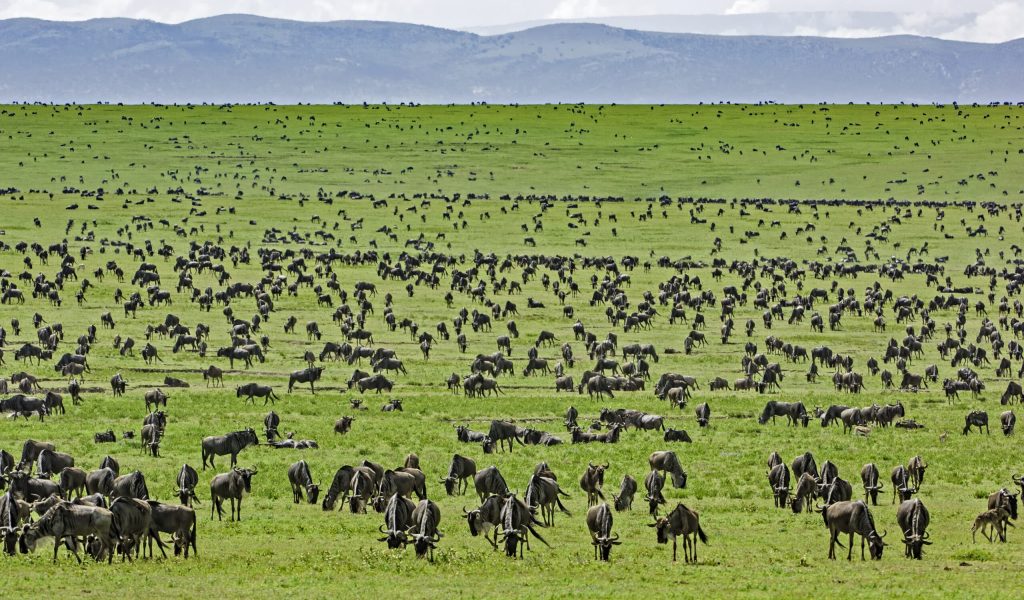
Tanzania's defining combination. Three nights in the Serengeti ecosystem followed by four nights in Zanzibar. A 45-minute charter flight connects the two worlds seamlessly. The savannah and the sea in one unforgettable week.
Full Tanzania Circuit
Tarangire, Serengeti, Ngorongoro and four nights in Zanzibar
The complete Tanzania experience. All four major northern parks followed by Stone Town cultural immersion and Zanzibar's finest beaches. The ideal structure for first-time Tanzania visitors who want both the wildlife and the Indian Ocean.
Everything You Need to Know
Getting There
Zanzibar International Airport (ZNZ) receives direct scheduled flights from Dar es Salaam (20 minutes), Nairobi, Mombasa and several European cities on seasonal routes. Most visitors arrive via Dar es Salaam on connecting flights from Europe, the Middle East or elsewhere in Africa.
From any Tanzania northern circuit safari, a 45-minute charter flight from the Serengeti, Arusha or Kilimanjaro connects directly to Zanzibar. Coastal Aviation, Auric Air and ZanAir operate these routes daily. We arrange all charter connections as part of your safari package.
Culture and Dress
Zanzibar is a predominantly Muslim island and cultural sensitivity is important, particularly in Stone Town. Cover shoulders and knees when walking in the old town, entering mosques or visiting markets. On the beach, swimwear is entirely acceptable. Remove shoes before entering mosques.
Respect the call to prayer by keeping noise levels moderate, and during Ramadan be aware that many local restaurants may be closed during daylight hours. The Zanzibari people are warm and welcoming: a little cultural respect goes a very long way and will significantly enrich your experience.
Ocean Safety
Zanzibar's tides are significant, particularly on the east coast where tidal variation can exceed 3 metres. Always check tide times before swimming at east coast beaches and avoid swimming alone at any beach. Ocean currents can be strong around headlands and reef edges.
For diving and snorkelling, always use a reputable operator with properly maintained equipment and qualified guides. The best operators at Mnemba Atoll are affiliated with the island's major lodges. Sun protection is essential: the equatorial sun is intense and reef-safe sunscreen is required at all marine protected areas.
Money and Payments
The Tanzanian Shilling is the official currency but USD is widely accepted across the island. Post-2009 USD bills are preferred and damaged or older notes are often refused. ATMs are available in Stone Town but coverage outside the capital is unreliable.
Credit cards are accepted at major hotels and restaurants in Stone Town and at most beach lodges. Smaller guesthouses, market vendors and local restaurants work in cash. Tipping is customary and appreciated: 10 to 15 per cent at restaurants and USD 5 to 10 per day for guides and drivers.
Health
Malaria prophylaxis is strongly recommended for Zanzibar throughout the year. Use DEET-based insect repellent especially at dusk and dawn. Most beach lodges provide mosquito nets and screens but check before booking.
Tap water on Zanzibar is not safe to drink. Stick to bottled water throughout your stay. Food safety is generally good at established restaurants and lodge kitchens, but exercise normal caution with street food, particularly shellfish from unrefrigerated vendors. The island has basic medical facilities. Comprehensive travel insurance with medical evacuation cover is strongly recommended.
Practical Information
Zanzibar uses British-style Type G plugs at 230V, the same as mainland Tanzania. Bring a universal adaptor for other devices. Most lodges have reliable charging but smaller guesthouses may have intermittent power.
Mobile coverage is good across the island via Vodacom and Zantel. WiFi is available at most lodges and restaurants in Stone Town. Plastic bag bans apply in Tanzania including Zanzibar: do not bring single-use plastic bags into the island. The island is generally very safe for tourists but normal precautions apply in Stone Town: keep valuables concealed, be aware of your surroundings at night and use hotel-arranged transport after dark.
Where You Will Stay
Mnemba Island Lodge
&Beyond's private island lodge sits on a tiny coral island surrounded by its own marine reserve. Ten open-sided bandas sit directly on the beach with the Indian Ocean as your living room. The finest snorkelling and diving in Zanzibar begins at the water's edge.
Baraza Resort and Spa
On Zanzibar's east coast, Baraza is one of the island's finest resort hotels. Thirty villas with private plunge pools look out over the Indian Ocean. The spa uses traditional Zanzibari treatments and the cooking school is one of the island's best.
Emerson Spice
The finest address in Stone Town. Ten uniquely decorated suites in a restored nineteenth century merchant house at the heart of the old city. The rooftop restaurant delivers Zanzibar's most atmospheric dinner and the closest sunset view in the archipelago.