 Plan This Safari
Uganda.
Africa's
best-kept secret.
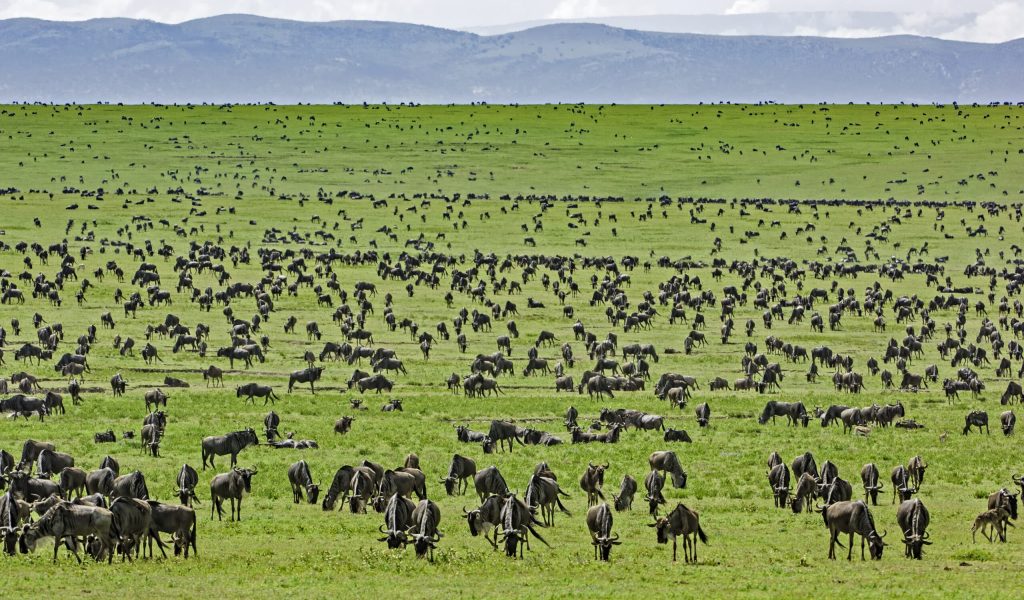
Mountain gorillas in ancient rainforests. Tree-climbing lions on open savannah. The Nile thundering through Murchison Falls. Uganda delivers East Africa's most intimate and diverse wildlife experiences within a country the size of the United Kingdom.
The Pearl of Africa
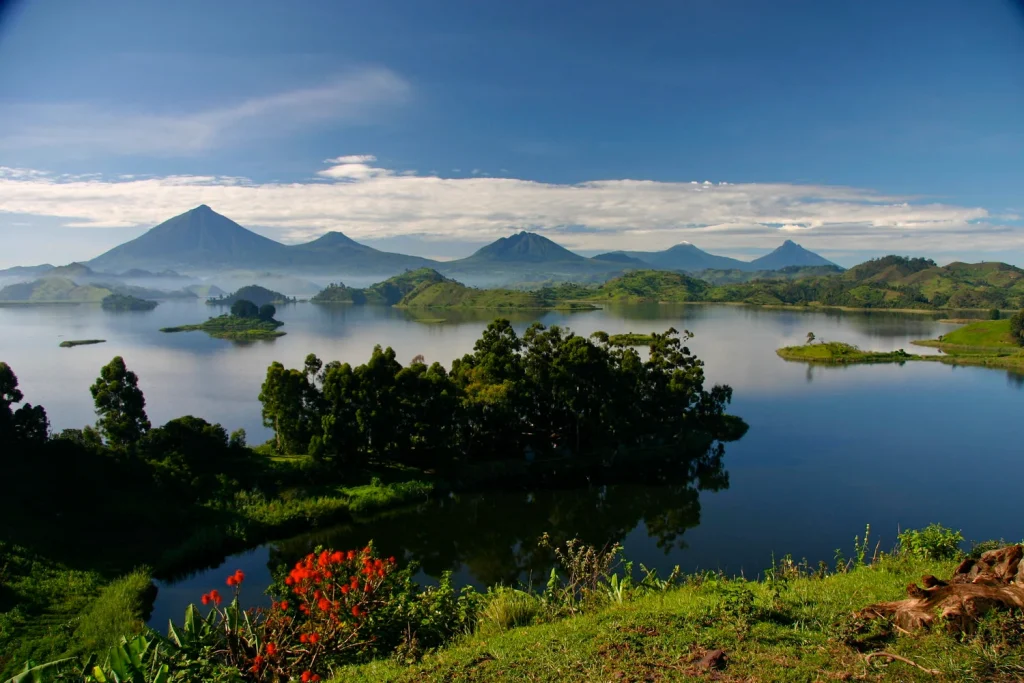
Winston Churchill called Uganda the Pearl of Africa. More than a century later, the name still fits. This landlocked East African nation packs an extraordinary range of landscapes, wildlife and cultures into a country smaller than the United Kingdom. Nearly a quarter of its land is covered by lakes and rivers, and it sits astride the Equator, giving it a lush, year-round green that most African destinations simply cannot match.
Uganda is home to half the world's remaining mountain gorillas, the largest population of chimpanzees in Africa, tree-climbing lions found almost nowhere else on earth, and over 1,000 species of birds. Its national parks range from the thundering drama of Murchison Falls to the mist-shrouded rainforests of Bwindi, from the vast savannah of Queen Elizabeth to the remote wilderness of Kidepo Valley.
What makes Uganda different from its East African neighbours is intimacy. Where Kenya and Tanzania attract hundreds of thousands of safari visitors each year, Uganda remains relatively undiscovered. Treks are done in small groups. Parks are uncrowded. Lodges are intimate. The wildlife encounters feel personal in a way that is increasingly rare on the continent.
Uganda is also one of the most politically stable and safe countries in East Africa. Its people are genuinely welcoming. Its capital Kampala is a vibrant, modern city. And Entebbe International Airport sits just 40 minutes from the city, making it one of the most accessible safari destinations on the continent with direct connections from Europe, the Middle East and across Africa.
USD widely accepted
Luganda, Swahili
New York: ~15 hrs
Dubai: ~5.5 hrs
Malaria prophylaxis recommended.
Half the World's Mountain Gorillas
Uganda is home to over 530 mountain gorillas, more than half the global population. Bwindi and Mgahinga are the only places on earth where you can trek to find them.
The Most Biodiverse Country in Africa
Over 1,000 bird species, 12 primate species, the Big Five and more. Uganda packs more biodiversity per square kilometre than almost anywhere else in Africa.
Uncrowded, Intimate Experiences
Gorilla groups are tracked by just 8 visitors per day. Game parks see a fraction of the traffic of Kenya or Tanzania. Uganda gives you Africa as it should be: personal and unhurried.
The Source of the Nile
Uganda is where the Nile begins its 6,650km journey to the Mediterranean. Watch it explode through the 7-metre Murchison Falls gorge. Raft its white-water rapids in Jinja.
Uganda's Wild Kingdoms
Uganda has ten national parks, each offering a completely different experience. These are the five every serious visitor should know.
Bwindi Impenetrable National Park
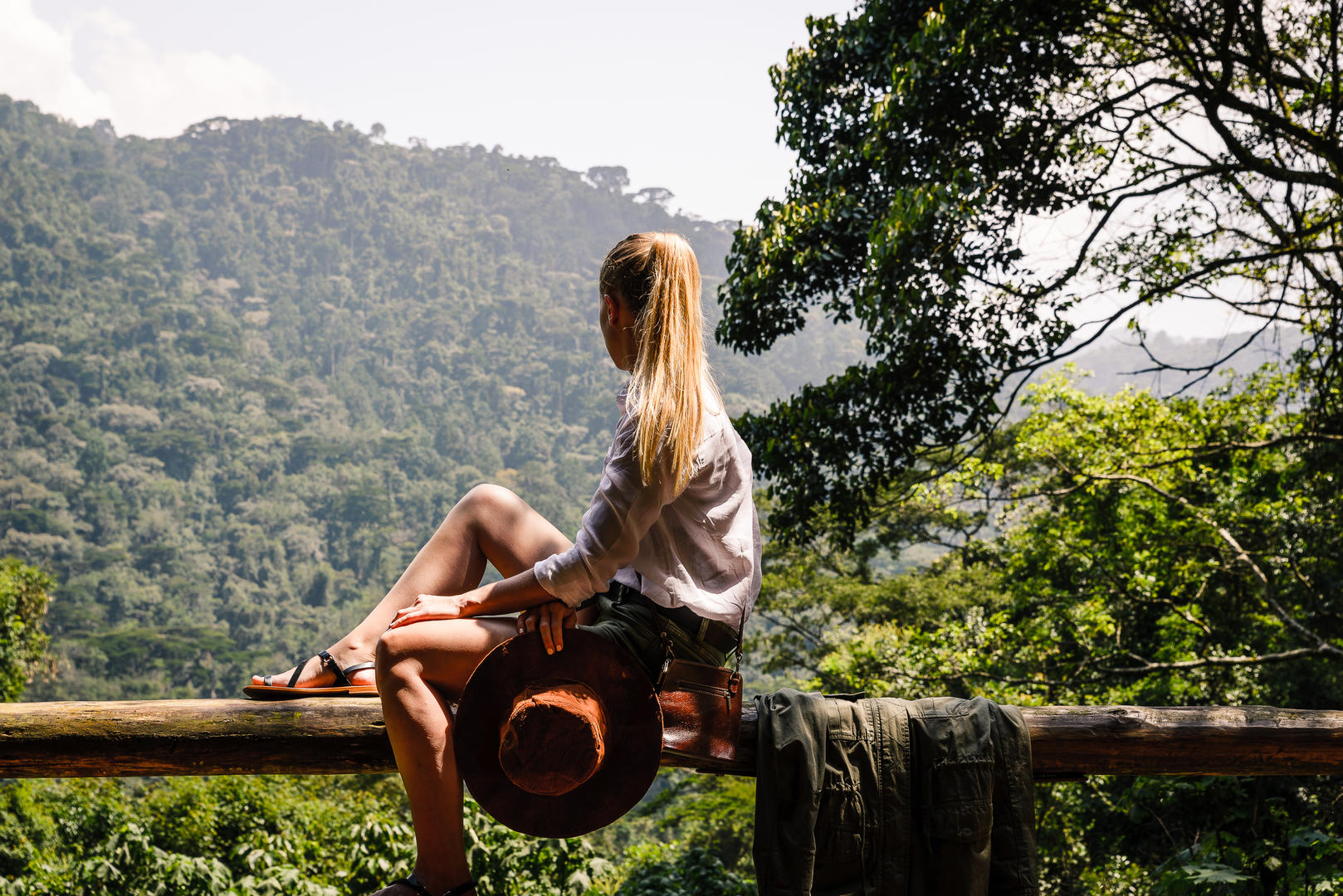
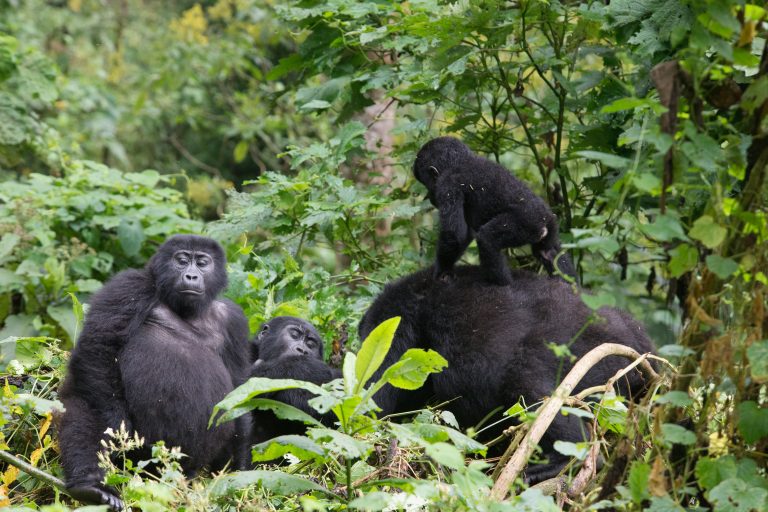
Bwindi is the single most important reason to visit Uganda. This ancient rainforest, over 160 million years old, is home to 19 habituated gorilla families spread across four sectors: Buhoma, Ruhija, Rushaga and Nkuringo. Each offers a slightly different trekking experience, from relatively accessible to genuinely challenging.
The trek itself takes between 1 and 8 hours depending on where the gorillas have moved that morning. Once found, you spend one precious hour in the company of a gorilla family. Watching a silverback move through the forest, seeing a mother nurse her infant, witnessing two juveniles play is an encounter that reframes everything you thought you knew about wildlife.
Beyond gorillas, Bwindi is a world-class birding destination with over 350 species including 23 Albertine Rift endemics. The forest also harbours chimpanzees, elephants, giant forest hogs and dozens of butterfly species.
Queen Elizabeth National Park
Queen Elizabeth is Uganda's most visited and most versatile national park. Straddling the Equator between the Rwenzori Mountains and Lake Edward, it offers a remarkable combination of savannah, wetland, forest and lake habitats within a single destination.
The Kasenyi Plains in the north deliver reliable lion sightings and large elephant herds. The Ishasha sector in the south is the only place in Uganda where you can see the famous tree-climbing lions, perched in the branches of ancient fig trees. The Kazinga Channel, a natural waterway connecting Lakes George and Edward, hosts one of Africa's densest concentrations of hippos and attracts enormous numbers of birds to its shores.
Queen Elizabeth also offers chimpanzee tracking in the Kyambura Gorge, a dramatic forest-filled ravine where a habituated chimp community has been studied for decades.
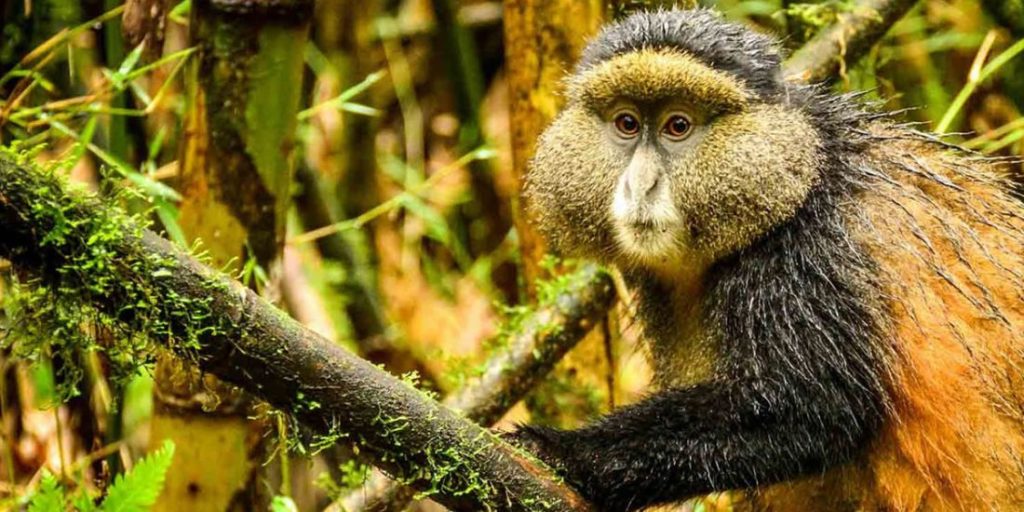
Murchison Falls National Park
Uganda's largest national park is anchored by one of the world's most dramatic natural spectacles: the Victoria Nile forcing its entire volume through a 7-metre wide gorge before plunging 43 metres into a churning pool below. The noise alone is extraordinary. The mist, the power and the sheer visual drama make Murchison Falls one of East Africa's great natural wonders.
The park's savannah north of the Nile hosts large populations of elephants, buffalos, giraffes, lions, leopards, Uganda kob and oribi. A boat cruise up the Nile to the base of the falls is one of Uganda's finest wildlife experiences, passing hippo pods, Nile crocodiles, and large flocks of water birds along the way.
The chimp community in the Budongo Forest on the park's southern edge offers excellent habituation experiences, and the park's 450 bird species include the rare shoebill stork, one of Africa's most sought-after birds.
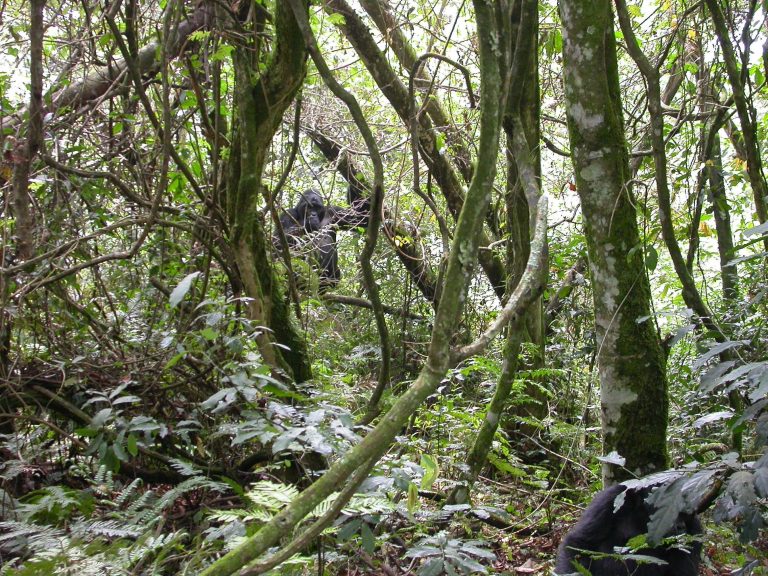
Kibale Forest National Park
Kibale is Africa's finest chimpanzee trekking destination. With over 1,500 chimpanzees in the forest and a habituated community that researchers have followed for decades, the chances of a prolonged, intimate chimp encounter here are higher than anywhere else on the continent.
The Bigodi Wetland Sanctuary on the park's edge is one of Uganda's best birding experiences, with over 200 species including eight types of kingfisher and the rare papyrus gonolek. The forest itself harbours 12 other primate species including red colobus, grey-cheeked mangabey and the L'Hoest's monkey.
Kibale pairs perfectly with Queen Elizabeth National Park, just two hours to the south, making it a natural component of any comprehensive southwest Uganda circuit.

Lake Mburo National Park
Lake Mburo is Uganda's smallest and most accessible national park, sitting just three hours from Kampala and halfway between the capital and the gorilla forests of the southwest. It is the ideal introduction to Uganda's wildlife for visitors on shorter itineraries, and the perfect first or last night on a longer circuit.
The park is one of the few places in Uganda where you will find zebras and impalas, alongside hippos, elands, topis, warthogs and the park's large population of African buffalos. Walking safaris and horseback rides are available, offering a ground-level perspective on the savannah that game drives simply cannot replicate.
The lake itself supports a thriving bird community of over 350 species, and night game drives offer the chance to spot aardvark, civet, porcupine and the striking African wildcat.
When to Go to Uganda
Uganda can be visited year-round. Unlike East Africa's migration-dependent destinations, Uganda's gorillas and chimpanzees are resident and trackable in every month. Timing is about comfort and photography rather than opportunity.
Dry Season One
Uganda's principal dry season delivers the most comfortable trekking conditions. Trails are firmer, vegetation is lower and wildlife concentrates around water sources making game drives more productive. Gorilla and chimp sightings are excellent throughout. This is the most popular period so permits should be booked 6 to 12 months in advance.
Dry Season Two
The shorter dry season between the two rainy periods offers similar conditions to June to September. Game parks are less crowded than the peak mid-year period, and gorilla permit availability is generally better. December is particularly pleasant with clear skies and lush post-rain vegetation. An excellent period for photography.
Long Rains
Uganda's main rainy season brings afternoon showers and muddy forest trails. Gorilla and chimp trekking continues throughout, though some treks become more physically demanding. The upside: dramatically reduced permit availability pressure, lower lodge rates, and post-shower vegetation that makes for extraordinary photography. Bird species diversity peaks during this period.
Short Rains
The short rainy season brings lighter and less predictable rainfall than March to May. Many days are dry and clear. Trekking conditions are generally manageable and the parks are noticeably quieter than peak season. Lodge rates are often lower and permit availability is better. An underrated time to visit for the independent traveller.
What You Will Encounter
Uganda offers more wildlife diversity per square kilometre than almost any other African destination. Here is a guide to its most significant encounters.
Mountain Gorillas
Uganda is home to over 530 mountain gorillas. Encounters are strictly regulated: 8 visitors per gorilla family per day, one hour maximum. The experience is impossible to overstate.
- 19 habituated families in Bwindi
- 1 habituated family in Mgahinga
- Permit cost: USD 800 per person
- Best booked 6 to 12 months ahead
Chimpanzees
With over 5,000 chimpanzees, Uganda holds the largest wild chimp population in East Africa. Kibale Forest offers the best habituation experience on the continent.
- Best location: Kibale Forest NP
- Also in Budongo, Kyambura Gorge
- Permit cost: USD 200 per person
- 12 other primate species also present
Tree-Climbing Lions
The Ishasha sector of Queen Elizabeth NP is one of only two places in Africa where lions habitually climb trees. Finding them lounging in fig tree branches is one of Uganda's most memorable wildlife encounters.
- Location: Ishasha, Queen Elizabeth NP
- Best sightings: early morning
- Other lions present in northern QENP
- Year-round sightings possible
African Elephants
Uganda's elephant population numbers over 5,000, found across multiple parks. Murchison Falls hosts the largest herds. Queen Elizabeth and Bwindi also have significant populations.
- Murchison Falls: largest herds
- Queen Elizabeth: forest and savannah elephants
- Bwindi: forest elephants
- Year-round across all parks
Birds · Over 1,000 Species
Uganda is Africa's top birding destination. With over 1,000 recorded species including 24 Albertine Rift endemics, it is a world-class destination for serious birders and casual enthusiasts alike.
- Shoebill stork: Murchison Delta
- Grey crowned crane: national bird
- African green broadbill: Bwindi
- Malachite kingfisher: widespread
White Rhinos
Uganda's white rhinos were hunted to extinction but a reintroduction programme at Ziwa Rhino Sanctuary has established a growing wild population. Rhino tracking on foot is a memorable experience en route to Murchison Falls.
- Location: Ziwa Rhino Sanctuary
- Only place in Uganda to see rhinos
- Tracked on foot with armed rangers
- Perfect Kampala to Murchison stopover
What You Can Do
Mountain Gorilla Trekking
The defining Uganda experience. After a briefing at the park headquarters, you set off with a small group of 8 visitors and armed rangers to locate a habituated gorilla family. Treks can last 1 to 8 hours depending on where the gorillas have moved. Once found, you spend one extraordinary hour in their presence at a minimum distance of 7 metres. Nothing on an African safari compares.
Chimpanzee Tracking
Kibale Forest's habituated chimp community of over 150 individuals offers the most intimate and prolonged chimp encounters in East Africa. Unlike gorillas, chimps move fast and high. Your guide will track their calls and movements through the forest floor. The experience is more spontaneous and often more thrilling than gorilla trekking. A full-day habituation experience is also available for those wanting deeper immersion.
Game Drives
Uganda's savannah parks offer classic African game drive experiences in completely uncrowded conditions. Queen Elizabeth, Murchison Falls and Kidepo Valley deliver big game encounters with rarely more than one or two other vehicles in sight. Early morning drives when predators are active are particularly rewarding. Night game drives in Lake Mburo reveal Uganda's rich nocturnal wildlife including aardvark, civets and porcupine.
Nile Boat Cruise to Murchison Falls
One of Uganda's finest wildlife experiences. A three-hour boat journey up the Victoria Nile from Paraa to the base of the falls passes through one of the densest hippo concentrations in Africa, enormous Nile crocodiles, kob antelope drinking at the water's edge, and an extraordinary variety of waterbirds including the prehistoric-looking shoebill stork. The falls themselves, thundering through a 7-metre gorge, are a natural spectacle unlike anything else in East Africa.
Birding Safaris
Uganda is Africa's top birding destination with over 1,000 recorded species and 24 Albertine Rift endemics found nowhere else on earth. Dedicated birding itineraries can take in the papyrus swamps of Mabamba for shoebill stork, the forests of Bwindi for Albertine Rift species, the Bigodi Wetland Sanctuary, and the shores of Lake Victoria. Uganda is one of the few places in the world where a serious birder can see 500 species in a single two-week trip.
Cultural Experiences
Uganda's cultural richness is often overlooked by safari visitors focused solely on wildlife. The Batwa pygmies of Bwindi, displaced when the forest became a national park, now share their deep knowledge of forest plants and traditional practices through guided cultural walks. The Ibyiwacu Cultural Village near Volcanoes NP in Rwanda can be combined with a Uganda visit. The Ndere Cultural Centre in Kampala offers outstanding traditional dance and music performances, and a visit to local markets and villages around any park adds genuine depth to any itinerary.
Uganda Journeys
These are starting points, not scripts. Every itinerary we build is tailored to you. Use these as inspiration then speak with our specialists.
Uganda Gorilla and Savannah Circuit
Bwindi gorilla trekking combined with Queen Elizabeth game drives and the Kazinga Channel
This classic southwest Uganda circuit combines Uganda's two signature wildlife experiences: an intimate gorilla trek in Bwindi and game drives in Queen Elizabeth National Park. Designed to maximise wildlife encounters while minimising long drives, with comfortable lodge stays throughout.
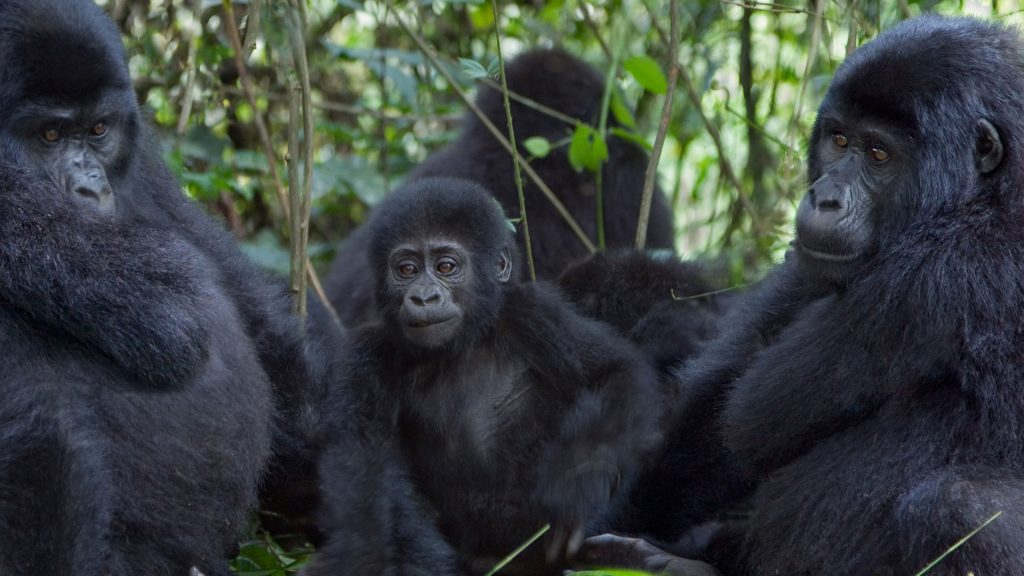
The Ultimate Uganda Safari
Gorillas, chimps, the Nile, savannah game drives and the Rwenzori Mountains
For travellers who want to experience the full breadth of Uganda's wildlife and landscapes, this 10-day circuit covers the country's major highlights: gorilla trekking in Bwindi, chimpanzees in Kibale, the thundering Murchison Falls, a Nile boat cruise, savannah game drives in Queen Elizabeth, and a stopover at Ziwa Rhino Sanctuary.
Short Gorilla Break
A focused 5-day gorilla trekking experience for time-pressed travellers
For those who have limited time but will not compromise on the quality of the experience. This focused itinerary delivers Uganda's signature gorilla trekking experience with overnight stays in intimate forest lodges either side of the trek.
Everything You Need to Know
Getting There
Entebbe International Airport is Uganda's main gateway, 40 minutes from Kampala. Direct flights operate from London Heathrow (8.5 hours, British Airways and Uganda Airlines), Nairobi, Addis Ababa, Dubai, Amsterdam and Johannesburg.
Most visitors from Europe, North America and Australia route through Nairobi, Addis Ababa or Dubai. The East Africa Tourist Visa (USD 100) covers Uganda, Kenya and Rwanda in a single entry and is available online at visas.immigration.go.ug before departure.
Health and Vaccinations
Yellow fever vaccination is mandatory for entry and you must carry your yellow card as proof. Malaria prophylaxis is strongly recommended for all areas outside Kampala and Entebbe.
Additional recommended vaccinations include typhoid, hepatitis A, and tetanus. Gorilla and chimp trekking requires visitors to be free of any respiratory illness or infection on the day of the trek, as great apes are vulnerable to human diseases. If you feel unwell, you will not be permitted to trek.
Money and Currency
The Uganda Shilling (UGX) is the local currency. USD is widely accepted at lodges, parks and most tourist services. Bring clean USD bills printed after 2009 as older or damaged notes are often refused.
ATMs are available in Kampala and Entebbe. Credit cards are accepted at most lodges. In national parks and remote areas, cash is essential. Tipping is customary for guides (USD 10 to 20 per day) and camp staff (USD 5 to 10 per day).
What to Pack
For gorilla trekking: long trousers, long-sleeved shirt, waterproof jacket, sturdy hiking boots with ankle support, gardening gloves to grip vegetation, hat, sunscreen, insect repellent, and a small daypack. Trekking poles are helpful on steep terrain.
For game drives: neutral coloured clothing (khaki, olive, brown), lightweight layers for cool mornings, sunglasses and a wide-brim hat. For all of Uganda: a good quality rain jacket year-round, binoculars, and a camera with a 400mm lens minimum for wildlife photography.
Climate
Uganda sits on the Equator and maintains warm, moderate temperatures year-round. Kampala and Entebbe average 24°C. Bwindi and the southwest highlands are cooler at 15 to 22°C. Murchison Falls in the northwest is hotter and drier at 20 to 35°C.
Rain can fall at any time of year. The heaviest falls occur March to May and October to November. Pack for warmth in Bwindi and Mgahinga even in the dry season, as forest nights can drop to 10°C.
Connectivity and Practical
Uganda uses British-style square three-pin plugs (Type G) with a voltage of 240V. Bring a universal adaptor. Most lodges provide charging points though remote camps may have limited generator hours.
Mobile connectivity via MTN Uganda or Airtel is available in most towns and along major roads. Remote parks like Kidepo Valley have little or no signal. Safari lodges typically have WiFi of varying quality. Purchase a local SIM at Entebbe Airport on arrival for affordable data.
Where You Will Stay
Sanctuary Gorilla Forest Camp
Eight luxury tented suites perched on the edge of Bwindi's forest, with resident gorilla families visible from camp. The most intimate gorilla trekking lodge in Uganda.
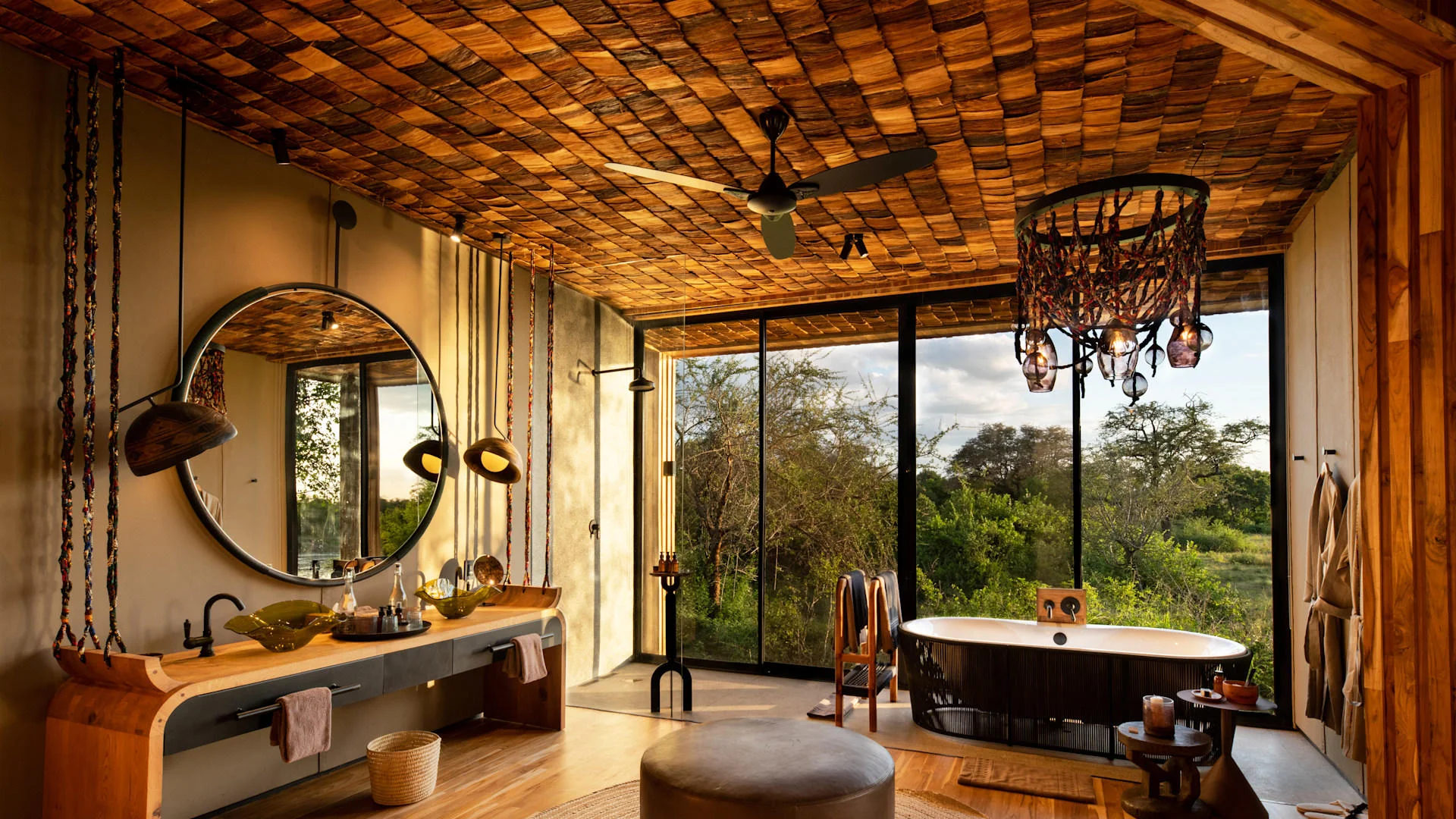
Mweya Safari Lodge
Perched on a peninsula overlooking the Kazinga Channel, Mweya delivers exceptional game viewing from the lodge itself alongside beautifully appointed rooms and superb guiding.
Wildwaters Lodge
Situated on a private island in the Nile just below the falls, Wildwaters is Uganda's most dramatic lodge location. Exceptional for birding, white-water rafting and pure seclusion.
Frequently Asked Questions
Everything you need to know before planning your Uganda safari.