 Plan This Safari
Tanzania.
Africa at its
most iconic.
The Serengeti. The Ngorongoro Crater. The Great Migration. Zanzibar's white sand and warm Indian Ocean. Tanzania holds more of Africa's greatest wildlife experiences in one country than anywhere else on earth.
Africa's Greatest Stage
Tanzania is where the African safari reaches its fullest expression. The country holds more UNESCO World Heritage Sites than any other in sub-Saharan Africa, more national park land as a percentage of total territory than almost any country in the world, and a wildlife spectacle in the Serengeti-Ngorongoro ecosystem that has no equal anywhere on earth. If you have one safari in your lifetime, Tanzania should be seriously considered as the destination to spend it.
The Northern Safari Circuit connects four of Africa's greatest wildlife destinations in a compact, logistically manageable loop. The Serengeti, Africa's most celebrated national park, covers 14,763 square kilometres of open savannah, riverine forest and kopje-studded plains that support year-round wildlife including the world's largest predator population. The Ngorongoro Crater, a collapsed volcanic caldera 19 kilometres across, confines approximately 30,000 animals in a single enclosed ecosystem including one of Tanzania's last wild black rhino populations. Tarangire offers elephant concentrations that rival anywhere in Africa during the dry season, alongside exceptional birding and ancient baobab trees. Lake Manyara delivers tree-climbing lions, flamingos and hippos.
The Great Migration, the movement of 1.2 million wildebeest and 200,000 zebras following the rains between the Serengeti and Kenya's Masai Mara, is Tanzania's defining annual event. But it is worth noting that the Migration is only one reason to come. Tanzania's wildlife calendar offers extraordinary experiences in every month of the year: the calving season in the southern Serengeti from January to March, the river crossings in Kenya from July to October, and the concentrated dry season game viewing in the central and northern Serengeti from June to October.
Tanzania is also the gateway to Zanzibar, the Spice Island of the Indian Ocean whose Stone Town, white sand beaches and coral reef diving make it the perfect counterpoint to the savannah. A safari and beach combination with Tanzania is one of the most satisfying travel experiences in Africa, and the short charter flight from any northern circuit airstrip to Zanzibar makes it logistically seamless.
Dar es Salaam (commercial)
USD widely accepted
New York: ~16 hrs
Dubai: ~5.5 hrs
Ngorongoro: USD 70 per day
The Serengeti and the Great Migration
The world's greatest wildlife spectacle plays out year-round across 14,763 square kilometres of Africa's most famous savannah. Calving in January, river crossings in August, and predator drama throughout the year.
Ngorongoro Crater: Africa's Eden
30,000 animals enclosed in a single volcanic caldera. Virtually guaranteed Big Five sightings including black rhino on every descent. A natural wonder unlike anywhere else on the continent.
Safari and Zanzibar in One Trip
A 45-minute charter from any Serengeti airstrip delivers you to Zanzibar's white sand beaches. The definitive East Africa combination: endless wildlife followed by the warm Indian Ocean.
More Wildlife, More Space
Tanzania has 16 national parks and countless private reserves covering a third of the country's land. The Southern Circuit's Ruaha and Nyerere offer Big Five game viewing in complete seclusion, with none of the Serengeti's visitor numbers.
Tanzania's Wild Kingdoms
Tanzania has 16 national parks divided into northern and southern circuits. These are the six essential destinations for any Tanzania safari.
Serengeti National Park
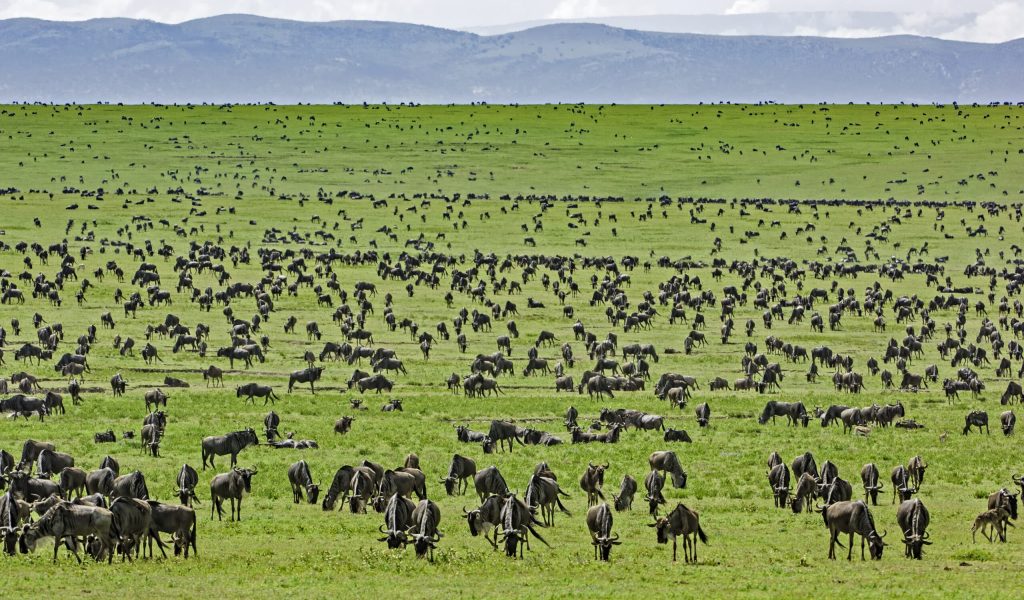
The Serengeti is the most famous national park in Africa and, for most visitors, the defining safari experience. Covering 14,763 square kilometres of seemingly endless savannah, the park's name comes from the Maasai word Siringet, meaning endless plains. Those plains, interrupted by kopjes (ancient granite outcrops), riverine forest corridors and acacia woodland, support the most concentrated and diverse predator population on earth.
The park has four distinct ecosystems, each offering different wildlife experiences at different times of year. The southern plains (Ndutu area) are where the wildebeest calve from January to March, an extraordinary event where half a million calves are born within a few weeks. The central Seronera region offers year-round big cat sightings. The Western Corridor sees the wildebeest herds crossing the Grumeti River in June. The northern Serengeti borders the Masai Mara and witnesses massive Mara River crossings from August to October.
Lodges and camps range from classic tented camps on the open plains to ultra-luxury mobile camps that follow the Migration, positioning themselves precisely where the action is each week. A hot air balloon flight over the Serengeti at dawn is one of Tanzania's most memorable experiences.

Ngorongoro Crater
The Ngorongoro Crater is one of the natural wonders of Africa. Formed when a giant volcano collapsed inward approximately two to three million years ago, the resulting caldera measures 19 kilometres across and 600 metres deep, creating a self-contained ecosystem of extraordinary productivity. Approximately 30,000 large mammals live permanently within its walls, unable to leave due to the steep crater sides.
The floor of the crater contains short-grass plains, a soda lake, swamp, forest patches and a permanent freshwater spring, creating diverse habitats that support lions (one of the densest lion populations in Africa), leopards, spotted hyenas, elephants, buffalos, hippos, Grant's and Thomson's gazelles, wildebeest and zebras. Most significantly, the crater holds one of the last remaining wild populations of black rhino in Tanzania, and sightings on crater drives are relatively reliable compared to almost anywhere else in East Africa.
The crater rim lodges, perched on the caldera edge at 2,286 metres, look out over one of the most extraordinary views in Africa: the entire 19-kilometre crater spread below, with wildlife visible even from the rim. Descending into the crater each morning and returning to the rim at sunset is the rhythm of a Ngorongoro safari.
Tarangire National Park
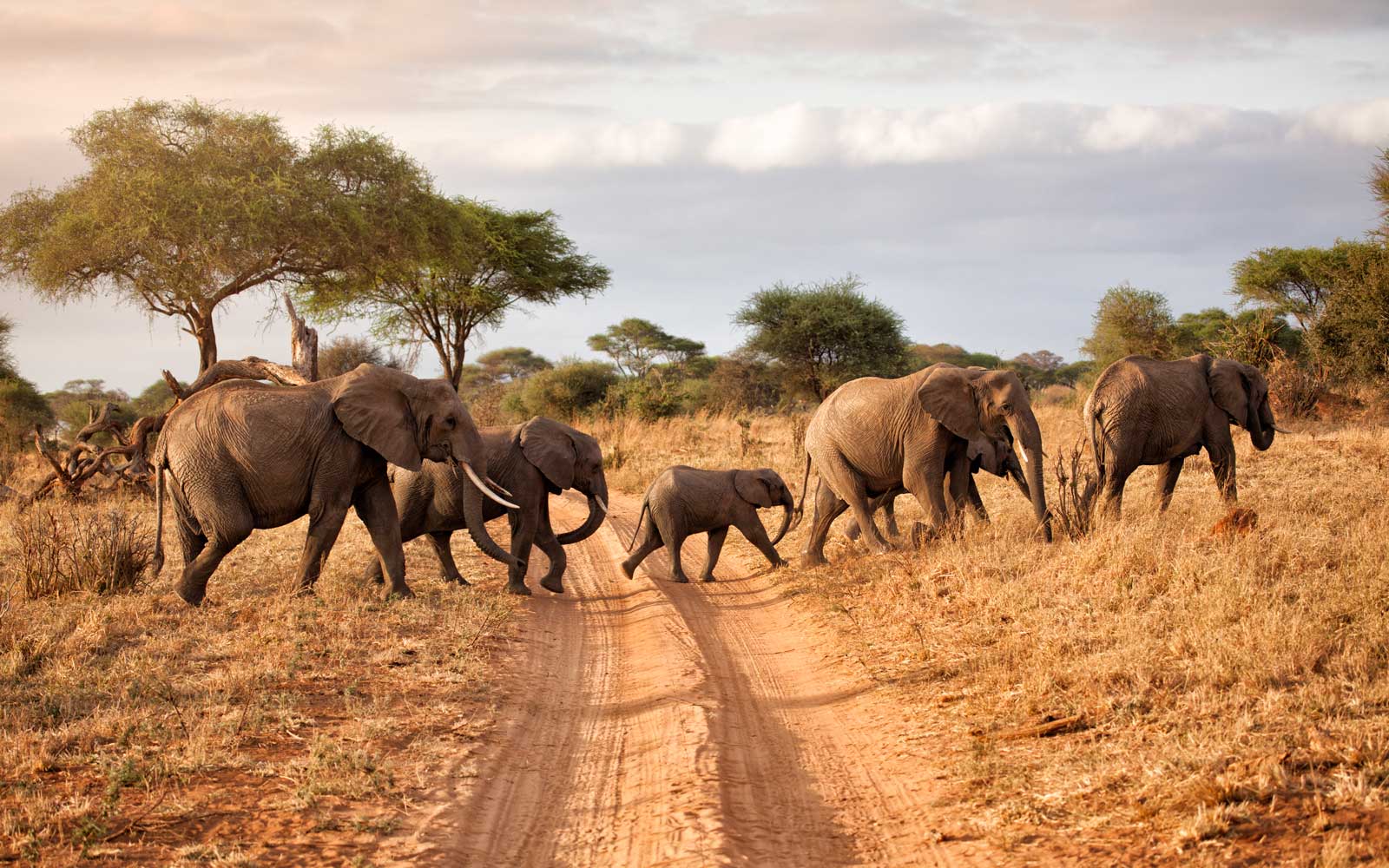
Tarangire is significantly underrated by visitors who rush to the Serengeti and Ngorongoro, and that underestimation is their loss. During the dry season from June to October, the Tarangire River becomes the only permanent water source in the area, drawing elephants, buffalos, zebras, wildebeest, impalas and all manner of antelope from across the Maasai steppe in concentrations that rival anything in Africa. Elephant herds of 200 to 300 individuals are common. Some days the whole park seems to be moving toward the river.
The landscape itself is remarkable: ancient baobab trees, some over 1,000 years old, stand as natural monuments across the golden plains, their vast trunks providing shade, nesting sites and, in the wet season, water storage. The giant baobab and elephant combination makes Tarangire one of the most photogenic parks in Tanzania.
Over 500 bird species make Tarangire one of Tanzania's finest birding destinations, with the Tarangire River's riparian forest hosting species rarely seen elsewhere. Night drives in the private concession areas adjoining the national park offer excellent chances of seeing lions, leopards and nocturnal species.

Zanzibar
Zanzibar is not a national park but it is Tanzania's most visited destination after the Serengeti, and for good reason. This compact island 30 kilometres off Tanzania's coast is one of the Indian Ocean's finest beach destinations: white coral sand beaches, turquoise warm water, excellent snorkelling and diving on healthy coral reefs, and a UNESCO-listed historic capital in Stone Town whose narrow lanes, carved wooden doors and Swahili culture are entirely unlike anywhere else in East Africa.
The island was the ancient centre of the East African spice trade, and cloves, nutmeg, vanilla, cinnamon and black pepper are still grown on small farms across the interior. A spice tour through working farms is one of Zanzibar's most distinctive and fragrant experiences. Stone Town's Forodhani Gardens Night Market, where local vendors grill fresh seafood as the sun sets over the Indian Ocean, is one of Africa's great outdoor dining experiences.
Most Tanzania itineraries end with two to five nights in Zanzibar, reached by a 45-minute charter from any Serengeti or Arusha airstrip. North Zanzibar around Nungwi and Kendwa offers calm, clear water year-round. The east coast at Paje is renowned for its kitesurfing. The remote south at Fumba and Kilindi offers the most exclusive and private beach experience on the island.
Ruaha National Park
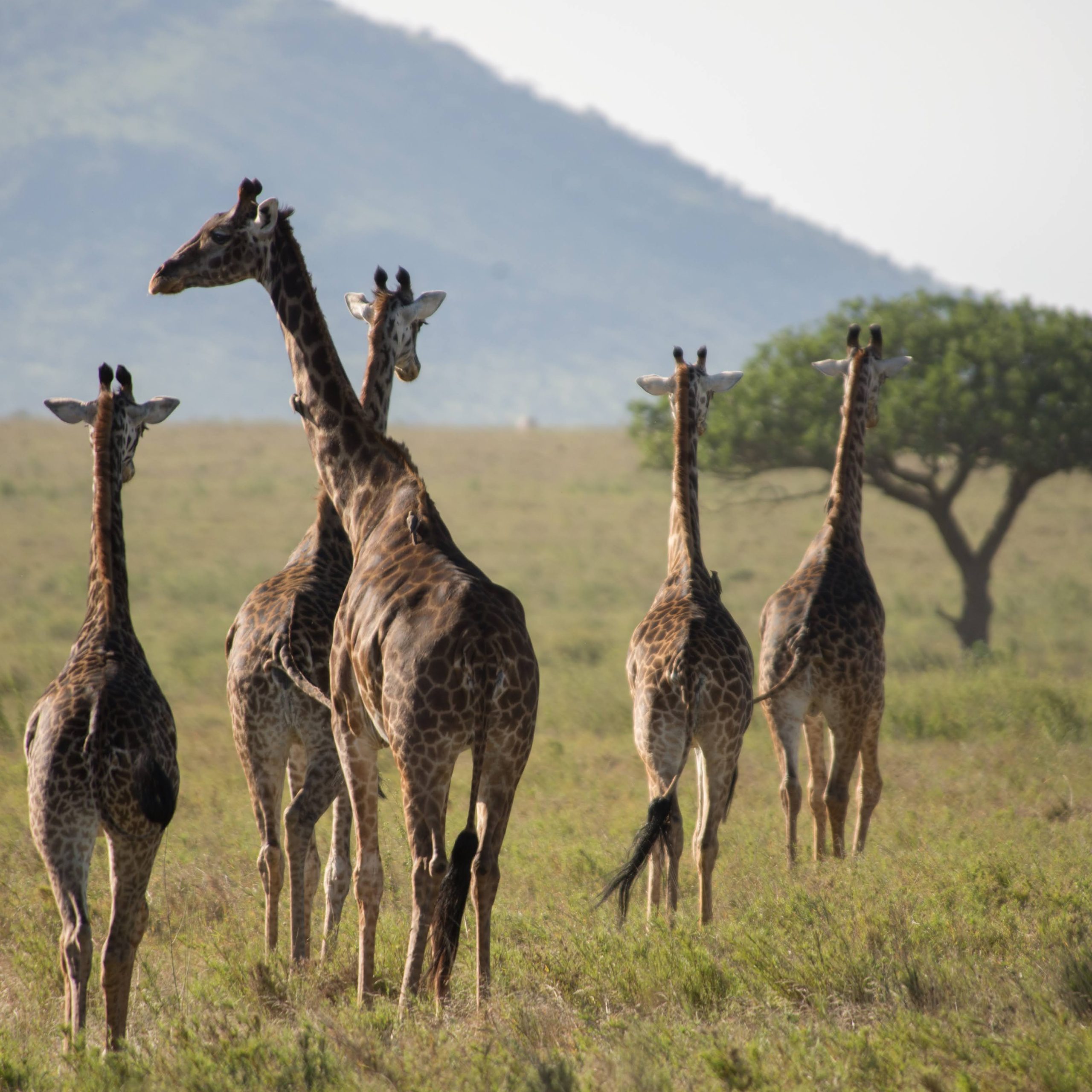
Ruaha is Tanzania's best-kept secret: the country's largest national park, one of Africa's most important wildlife areas, and consistently one of the continent's most undervisited. The park sits in the heart of Tanzania's Southern Highlands, a landscape of ancient baobab forest, dramatic rocky outcrops, wide sand rivers and open grassland that feels genuinely remote in a way that the northern circuit increasingly does not.
Ruaha holds Tanzania's largest elephant population (over 12,000 individuals) alongside lions, leopards, cheetahs, wild dogs and both species of African crocodile. It also hosts significant populations of greater and lesser kudu, roan antelope, sable antelope and the Tanzanian race of red hartebeest. The wildlife diversity in Ruaha is extraordinary and the complete absence of tourist crowds means encounters feel entirely wild and unscripted.
The park is rarely crowded even in peak season and it is entirely possible to spend a full day's game driving without seeing another vehicle. For experienced safari travellers who find the northern circuit too busy, Ruaha delivers the ultimate off-the-beaten-path Tanzania experience with wildlife quality that rivals the Serengeti.
Lake Manyara National Park
Lake Manyara is the natural first stop on the northern safari circuit, sitting just 2 hours from Arusha and typically visited as a half-day en route to Ngorongoro or Tarangire. Despite its compact size, the park packs extraordinary diversity into its 648 square kilometres: the alkaline lake itself, groundwater forest, acacia woodland, open floodplain and the soaring Rift Valley escarpment creating the dramatic backdrop to the entire park.
The park is famous for its tree-climbing lions, although sightings of this unusual behaviour are less predictable than the Ishasha lions in Uganda. More reliably, large hippo pods wallow in the shallows, enormous flocks of flamingos turn sections of the lake pink in the right conditions, and large elephant families move through the groundwater forest. The park holds over 400 bird species.
Manyara works best as a standalone morning or afternoon game drive combined with a night at one of the excellent lodges on the Rift Valley escarpment above the park, with views over the lake and across the Maasai steppe to Mount Kilimanjaro on clear mornings. It is a gentle, beautiful and accessible introduction to Tanzania's northern circuit wildlife.
When to Go to Tanzania
Tanzania's safari calendar is driven by the Great Migration, but exceptional game viewing is available year-round. Season choice depends on what you most want to see.
Dry Season and River Crossings
Tanzania's long dry season delivers the finest general game viewing conditions across all northern circuit parks. The southern Serengeti is exceptionally productive with large herds and concentrated predator activity. The wildebeest migration moves north through the Serengeti's Western Corridor and Grumeti River (June to July) before crossing into Kenya's Masai Mara (August to October). Ngorongoro and Tarangire are at their most spectacular with maximum wildlife concentration around dwindling water sources.
Calving Season
The calving season in the southern Serengeti's Ndutu plains is one of the most extraordinary wildlife events in Africa. From late January through March, approximately half a million wildebeest calves are born within a few weeks, bringing cheetahs, lions, hyenas and wild dogs into exceptional hunting activity. The short-grass Ndutu plains provide the most open and photogenic safari landscape in the entire Serengeti ecosystem. For wildlife photography, many experts consider this the finest time in Tanzania.
Short Rains
Tanzania's short rains bring brief afternoon showers to most of the northern circuit but rarely disrupt safari activities. The landscape transforms quickly into vivid green, creating beautiful photography conditions. Most lodges remain open, visitor numbers drop and lodge rates often fall significantly. Ngorongoro is excellent year-round regardless of rain. Zanzibar's east coast can be windy in November but the north remains calm. A good time to visit for those wanting quality game viewing with fewer tourists and at lower cost.
Long Rains
The long rainy season brings sustained rainfall to most of Tanzania's northern circuit. Many high-end camps close for renovation, dirt roads become challenging and game viewing can be more difficult as animals disperse across the greened landscape. However, this is the best time for Zanzibar (calm, warm, dry) and for the Southern Circuit parks of Ruaha and Nyerere which receive less rainfall and remain open. Visitor numbers are minimal and those lodges that remain open often offer their lowest rates of the year.
What You Will Encounter
The Great Migration
The most famous wildlife event on earth. Over 1.2 million wildebeest and 200,000 zebras move continuously between the Serengeti and Kenya's Masai Mara, following rainfall and fresh grass. Tanzania hosts the Migration for most of the year.
- Calving: Jan to Mar, southern Serengeti Ndutu
- Grumeti crossings: June to July
- Herds in northern Serengeti: Aug to Oct
- Herds return south: Nov to Dec
Lions
Tanzania holds the world's largest lion population with approximately 14,000 to 17,000 individuals, nearly half of Africa's total. The Serengeti's lion prides are among the most studied in the world. Ngorongoro's enclosed population is one of the most reliably sighted anywhere.
- Serengeti: largest population, year-round
- Ngorongoro: virtually guaranteed sightings
- Tarangire: excellent lion viewing dry season
- Kills commonly observed on morning drives
African Elephants
Tanzania has one of Africa's largest and most stable elephant populations with over 60,000 individuals. Tarangire's dry-season concentrations are among the most spectacular on the continent. Ruaha holds over 12,000 in the southern circuit.
- Tarangire: best dry-season concentrations
- Ruaha: 12,000+ in southern circuit
- Amboseli border herds visible from north
- Year-round across all parks
Black Rhino
Tanzania's black rhino population is one of Africa's most significant but increasingly restricted to protected areas. The Ngorongoro Crater holds one of the continent's most reliable black rhino viewing opportunities, with approximately 30 individuals on the crater floor.
- Best location: Ngorongoro Crater floor
- Also in Serengeti northern section
- Relatively reliable sightings in Ngorongoro
- Year-round within the crater
Leopards and Cheetahs
Tanzania has excellent leopard and cheetah populations. The Serengeti's open plains make cheetah sightings particularly reliable, especially during the calving season when prey is abundant. Leopards are found throughout the northern circuit with the best sightings around kopjes and riverine forest.
- Cheetah: southern Serengeti plains
- Leopard: kopjes, Seronera region
- Both species year-round in Serengeti
- Wild dogs: Ruaha and Nyerere (south)
Birds: 1,100+ Species
Tanzania is Africa's second finest birding destination with over 1,100 recorded species. Tarangire alone holds 500. The Serengeti's seasonal flamingo concentrations, the vulture gatherings at kills, and the endemic Usambara mountain birds make Tanzania extraordinary for birders at any level.
- 1,100+ species nationally
- Tarangire: 500+ species
- Flamingos: Lake Manyara and Ngorongoro
- Shoebill stork: western Tanzania (Katavi)
What You Can Do
Serengeti Game Drives
A game drive in the Serengeti is the archetype of the African safari experience. The early morning start in the dark, the coffee in a Thermos, the first impala emerging from the predawn haze, then the escalating accumulation of sightings as the light comes up over the plains. The Serengeti's scale means each day brings something completely new. Central Seronera for year-round big cats. Southern Ndutu from January to March for the calving plains. Northern Serengeti from June onwards as the Migration pushes north toward the Mara River.
Ngorongoro Crater Descent
Descending into the Ngorongoro Crater each morning is one of Tanzania's most distinctive experiences. The winding road from the rim drops 600 metres into another world: a self-contained African ecosystem where the wildlife has nowhere to go and therefore nowhere to hide. The crater's approximately 3,000 vehicle visits per year are regulated, meaning it is never overcrowded. Black rhinos are regularly encountered on the swampy floor near Ngoitoktok Springs. Lions are almost guaranteed. The Lerai Forest shelters leopards and elephants. The soda lake hosts hippos and flamingos. A full day in the crater rarely disappoints at any time of year.
Hot Air Balloon Safari
The Serengeti balloon safari is Tanzania's most iconic luxury experience. Lifting off before dawn from a camp on the plains, the balloon drifts silently over the landscape as the sun rises, revealing a world that game drives cannot access: the vastness of the ecosystem, the patterns of animal movement seen from above, the crocodiles in the Grumeti River, the kopjes with their sleeping lions. The hour-long flight ends with a champagne breakfast served in the field on a white-clothed table wherever the balloon touches down. Cost approximately USD 600 per person. Worth every cent.
Zanzibar and the Indian Ocean
The perfect safari and beach combination is Tanzania's signature offering to the world. After five to seven days of game drives on the northern circuit, a 45-minute charter flight to Zanzibar delivers visitors to a completely different sensory world: the smell of cloves and frangipani in Stone Town's lanes, the warm turquoise of the Indian Ocean, the soft sand and swaying palms of Nungwi or Kendwa. Three to five nights in Zanzibar provides perfect decompression after an intense safari. Diving and snorkelling on the surrounding reefs, a spice tour, a dhow sunset cruise and dinner at the Stone Town night market complete the island experience.
Maasai Cultural Experiences
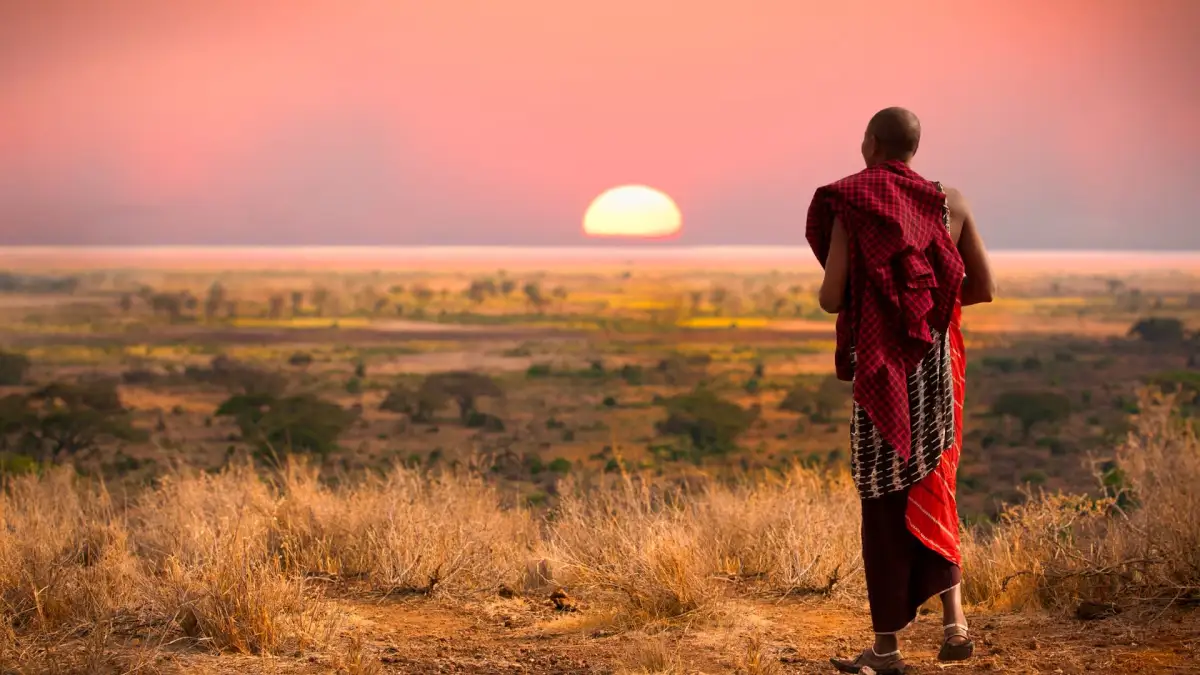
The Maasai are the traditional custodians of much of the land that forms Tanzania's northern safari circuit. The Ngorongoro Conservation Area is shared between wildlife and a permanent Maasai population who have lived alongside the crater and its animals for generations. Visiting a working Maasai boma (homestead) near Ngorongoro or in the Serengeti's gateway communities, learning about cattle culture, watching the distinctive jumping dance, and speaking with elders about the relationship between the community and the wildlife on their land adds a human dimension to the safari that pure game driving cannot provide.
Southern Circuit: Ruaha and Nyerere
For travellers who want the Tanzania wildlife experience without the northern circuit's visitor numbers, the Southern Circuit is the answer. Ruaha National Park, Tanzania's largest, and Nyerere National Park (formerly Selous Game Reserve, Africa's largest protected area at 54,600 square kilometres) offer Big Five game viewing, exceptional wild dog populations, boat safaris on the Rufiji River and walking safaris in genuine wilderness with almost no other visitors. The south is harder to reach than the north and has fewer luxury lodges, but those that exist (Jongomero, Kwihala, Siwandu) are among Tanzania's finest.
Tanzania Journeys
Starting points, not scripts. Every Tanzania itinerary we build is tailored to you. Use these as inspiration then speak with our specialists.
The Northern Circuit Express
Tarangire, Serengeti, Ngorongoro Crater and Lake Manyara in one masterfully paced circuit
Tanzania's classic northern circuit, designed for first-time visitors and experienced safari travellers alike. All four major northern parks covered in a carefully paced nine days that maximises wildlife quality without feeling rushed.
Tanzania Safari and Zanzibar
Northern circuit game drives followed by Zanzibar beaches and Stone Town
The definitive Tanzania experience: the wildlife drama of the northern circuit followed by the warm Indian Ocean waters and spice-scented lanes of Zanzibar. A short charter flight connects the two worlds. Designed for couples and honeymooners seeking the perfect contrast of wild adventure and barefoot luxury.
The Family Adventure Tanzania
Big game drives, Maasai culture, Zanzibar beach time and Ngorongoro crater for families
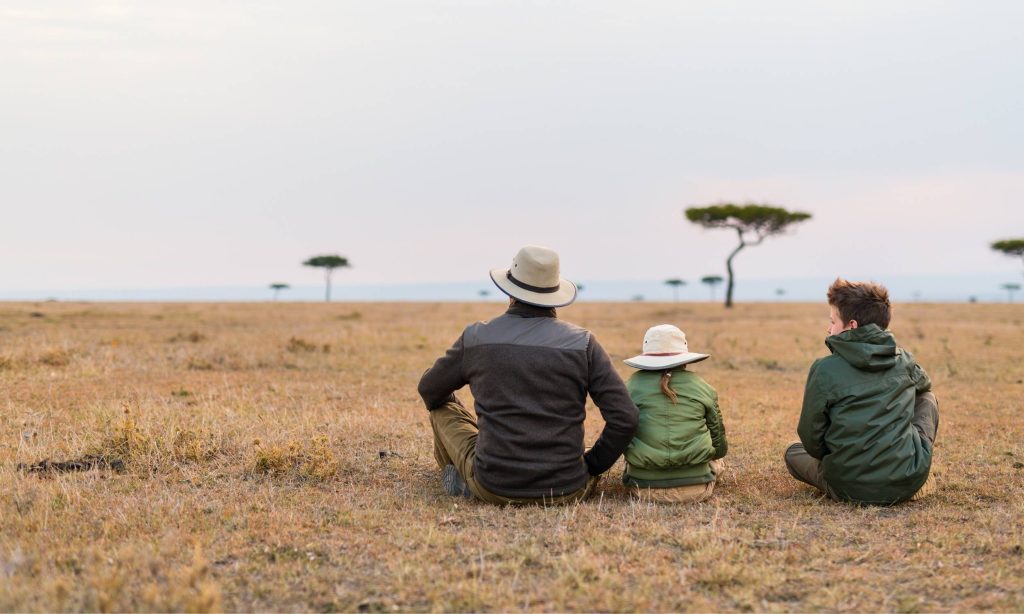
Designed specifically for families with children. Tanzania is one of Africa's most family-friendly safari destinations with excellent lodge facilities, child-appropriate activities including junior ranger programmes, and Zanzibar's shallow, calm beaches providing a safe and beautiful finish to the trip. Children experience the wildebeest herds, the Ngorongoro crater and the Indian Ocean in a single two-week journey.
Everything You Need to Know
Getting There
Tanzania has two main international airports for safari visitors. Kilimanjaro International Airport (JRO) near Arusha is the primary gateway for northern circuit safaris. Julius Nyerere International Airport (DAR) in Dar es Salaam serves southern circuit and Zanzibar visitors. KLM, Ethiopian Airlines, Kenya Airways and Turkish Airlines offer the most convenient connections from Europe and North America.
All visitors require a Tanzania eVisa, applied for online at eservices.immigration.go.tz before departure. The fee is USD 50 for most nationalities. Most northern circuit safaris use internal charter flights between parks via Arusha's Kilimanjaro Airport or bush airstrips operated by Coastal Aviation, Auric Air and similar operators.
Health and Vaccinations
Yellow fever vaccination is recommended and may be required if arriving from a yellow fever endemic country. Malaria prophylaxis is strongly recommended for all safari regions including the Serengeti, Tarangire and Zanzibar. The Ngorongoro Crater rim at 2,286 metres has lower malaria risk but lower areas of the circuit require prophylaxis.
Additional recommended vaccinations include typhoid, hepatitis A and tetanus. Medical facilities outside Arusha and Dar es Salaam are limited. Medical evacuation insurance is essential for all Tanzania safari visitors. AMREF Flying Doctors provides the standard air evacuation coverage in East Africa.
Money and Payments
The Tanzanian Shilling (TZS) is the local currency but USD is widely accepted at lodges, camps and airports. Post-2009 USD bills are strongly preferred and older or damaged notes are frequently refused. Exchange rates at Kilimanjaro Airport bureaux de change are generally reasonable.
Credit cards are accepted at most lodges but not universally. Carry some USD cash for tips and small purchases. Tipping is expected and appreciated: USD 10 to 20 per driver-guide per day and USD 5 to 10 per day for lodge staff. Some lodges include a recommended gratuity in their information packs.
What to Pack
For game drives: neutral-coloured clothing (khaki, beige, olive, brown). Avoid black which attracts tsetse flies in some areas. Long sleeves and trousers for early morning drives and for protection against insects at dusk. A warm layer for Ngorongoro Crater rim evenings which can drop to 8 degrees Celsius. Sunscreen, polarised sunglasses and a wide-brim hat are essential.
For Zanzibar: light cotton clothing, reef shoes, good quality waterproof sunscreen, and modest clothing for Stone Town (cover shoulders and knees when visiting mosques and the old town). For photography: 100-400mm zoom lens minimum, a beanbag window rest, plenty of memory cards and batteries.
Climate
Tanzania's climate varies significantly by altitude and region. Arusha at 1,400 metres is pleasantly warm year-round at 20 to 27 degrees Celsius. The Serengeti plains at 1,500 metres average 20 to 30 degrees, cooler at night. The Ngorongoro Crater rim at 2,286 metres can drop to 8 degrees at night even in the dry season.
Zanzibar is hot and humid year-round at 27 to 33 degrees, with the main rains in April to May and lighter rains in November. The northeast coast is calmest from October to March, the best period to combine with a northern circuit safari. The southeast trade winds (Kusi) blow from June to September, creating ideal kitesurfing conditions but choppier sea for swimming.
Practical Information
Tanzania uses British-style Type G plugs (square three-pin) at 230V in mainland Tanzania. Zanzibar uses a mix of Type G and Type D. A universal adaptor covers all bases. Most lodges provide reliable charging facilities but remote bush camps may only have generator power for limited hours.
Mobile coverage via Vodacom Tanzania, Airtel and Tigo is good in major towns and along main roads but patchy inside national parks. Lodge WiFi varies enormously. Safari etiquette is strictly enforced in Tanzania's national parks: remain in the vehicle during game drives, do not exceed speed limits in parks, and follow your guide's instructions at all times. Night drives are prohibited in the Serengeti and Ngorongoro national parks but available in private concession areas.
Where You Will Stay
Serengeti Grumeti River Lodge
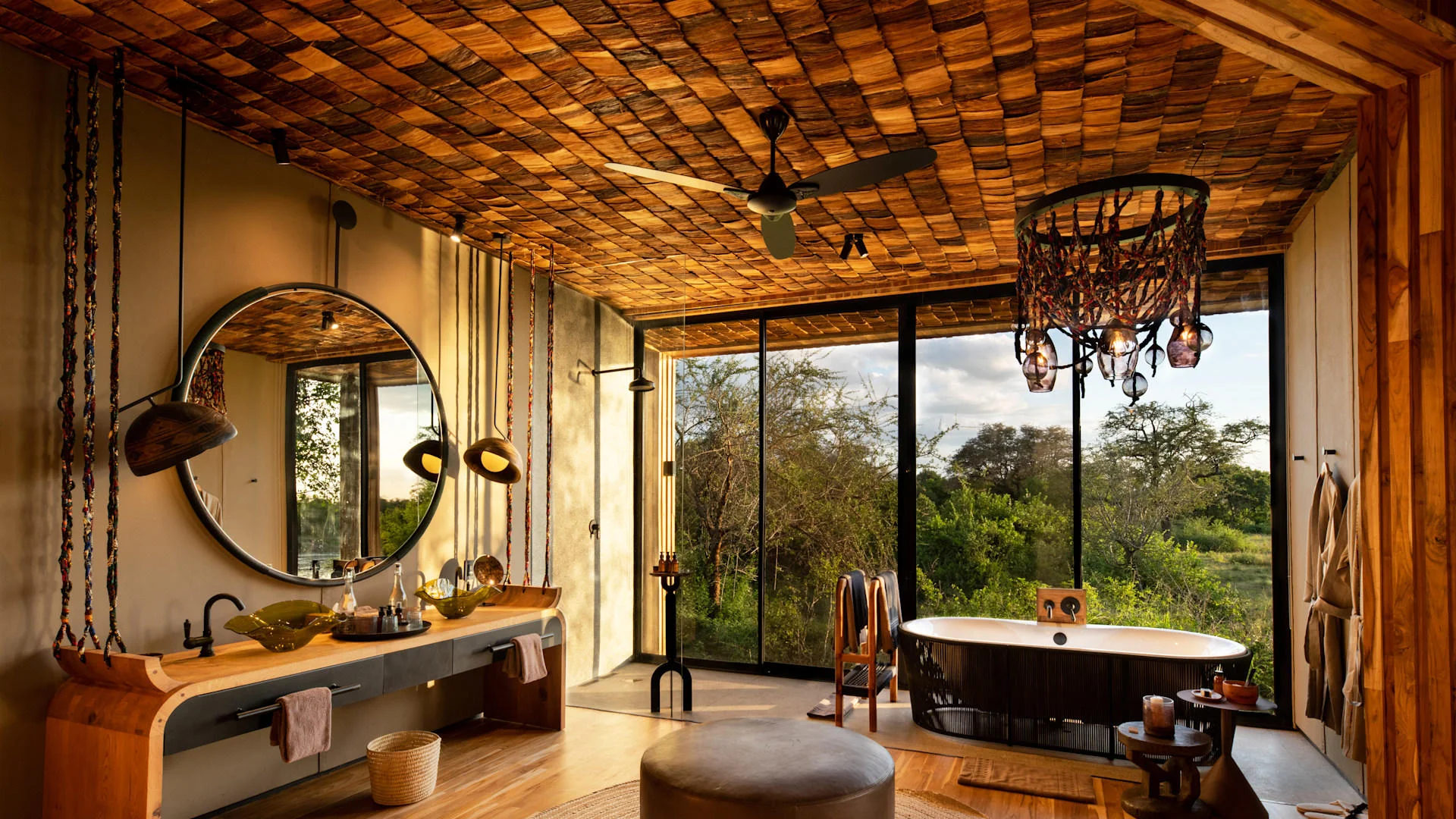
Singita's Grumeti concession covers 350,000 private acres in the Western Corridor of the Serengeti. River Lodge sits on the Grumeti River with access to the Migration crossing points and exceptional year-round game viewing on a private concession with no outside vehicles.
andBeyond Ngorongoro Crater Lodge
Perched on the Ngorongoro Crater rim with suites cantilevered over the caldera edge, this extraordinary lodge delivers one of Africa's most dramatic settings. Masai-inspired decor, butler service, and the crater spread 600 metres below.
The Rock Restaurant Zanzibar
Not a lodge, but Tanzania's most photographed restaurant and an essential Zanzibar experience. Built on a rock in the Indian Ocean, accessible by foot at low tide and by boat at high tide, serving exceptional seafood as the tide laps around the foundations.