Safety & Security
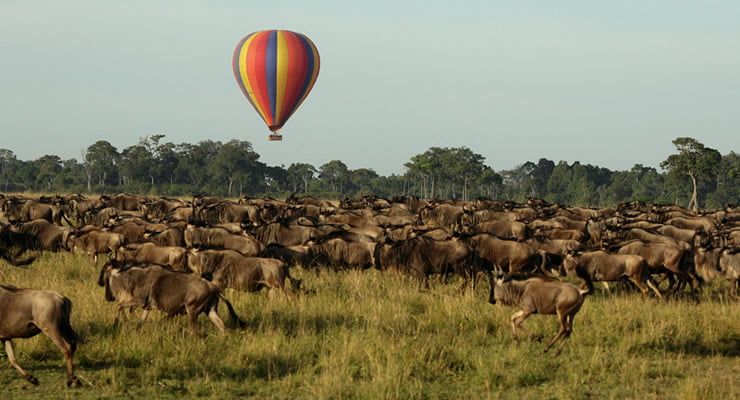
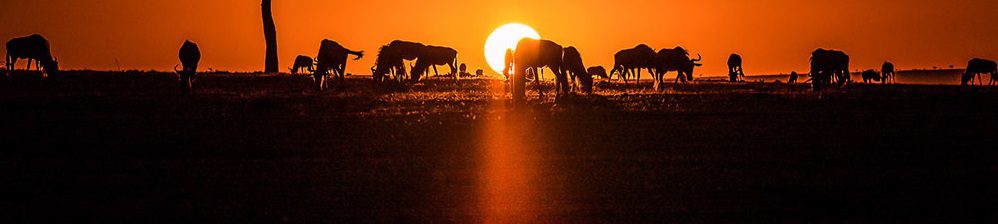
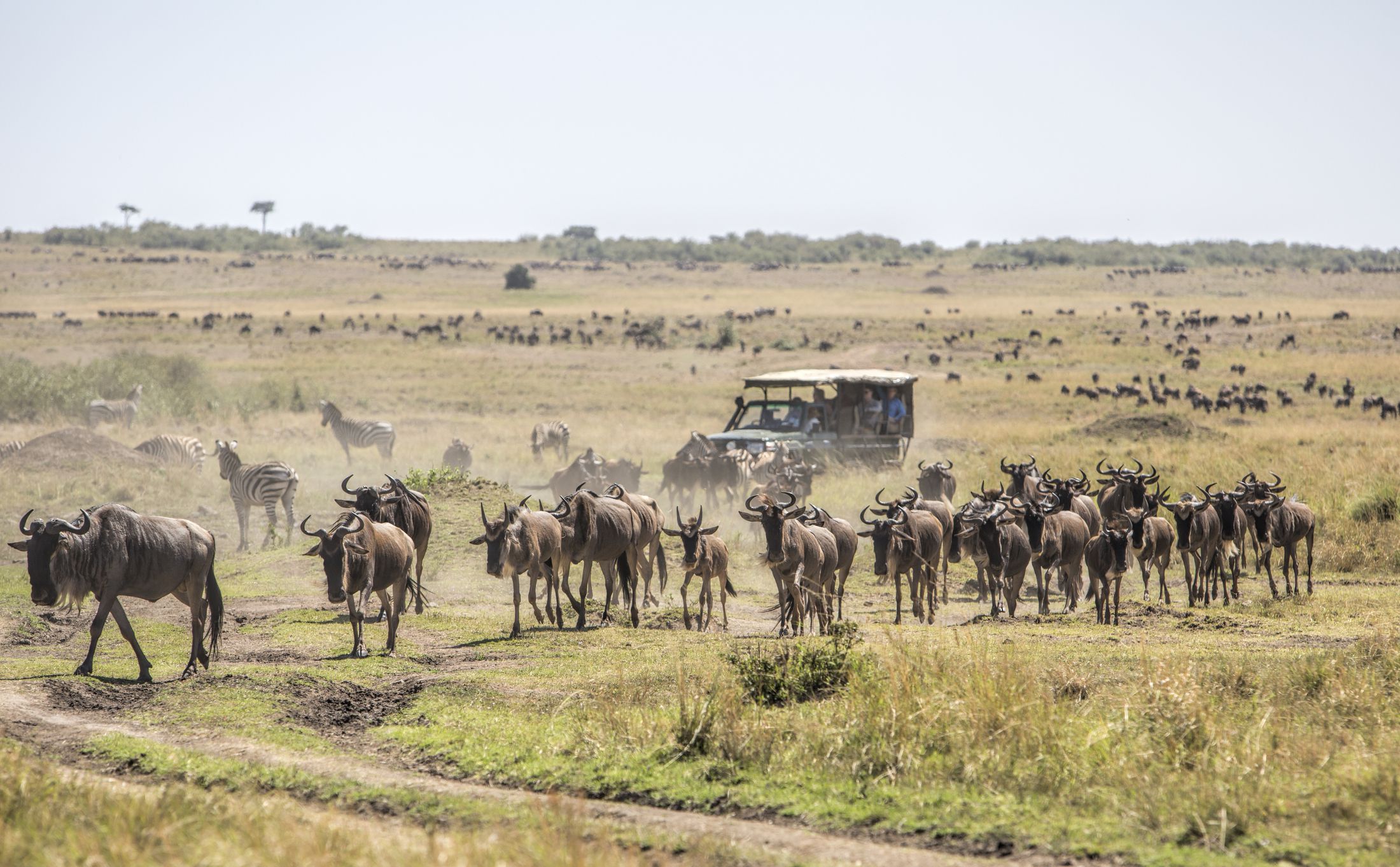
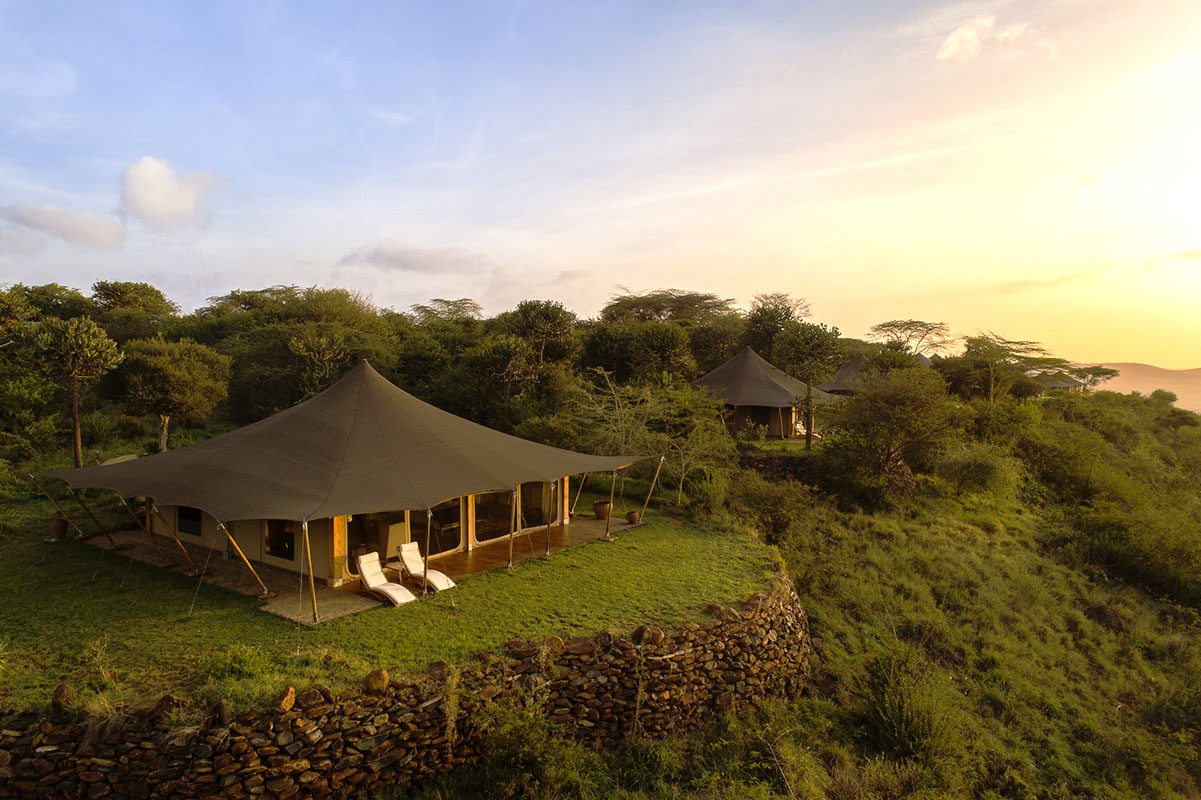
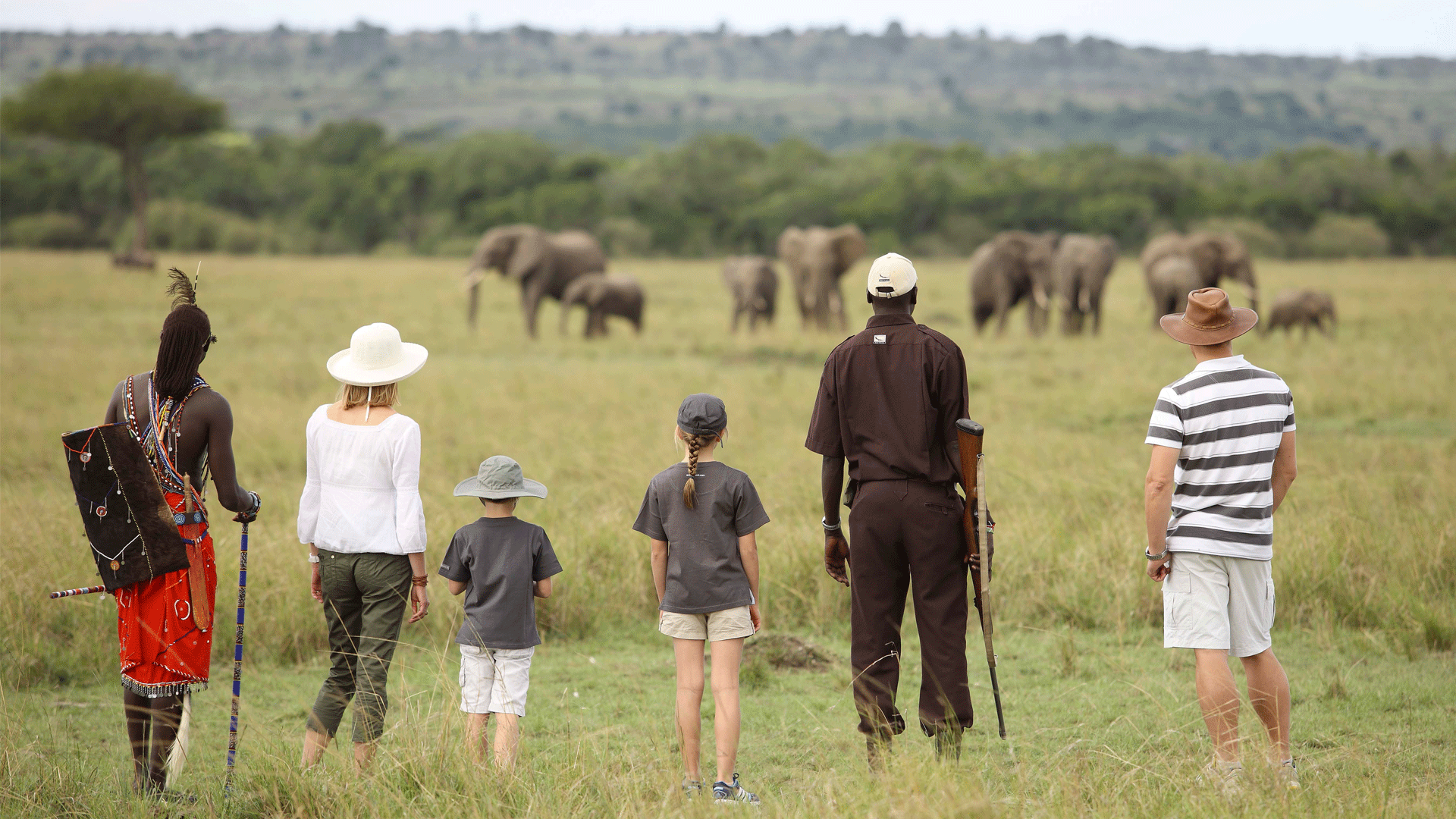
While concerns about travel safety in Kenya are understandable due to past terrorist attacks, it’s important to note that these incidents have occurred far from the main tourism areas. Security measures have been significantly enhanced at airports and hotels in Nairobi, such as Jomo Kenyatta and Wilson airports. As travel experts, we prioritize the safety of our clients and have carefully crafted itineraries that include private drivers, trusted suppliers, and experienced lodge staff. We maintain constant communication with our clients and provide them with exclusive access to a 24/7 hotline staffed by senior personnel in case of any emergencies. Rest assured that we only recommend destinations that we would personally visit ourselves. Kenya is a wildlife-rich East African country, famous for the Great Wildebeest Migration in the Masai Mara, and we strive to ensure a seamless and secure travel experience for all our travelers.
Tipping
Tipping is customary in Kenya as a gesture of appreciation for good service, although it is ultimately at your discretion. It’s worth noting that some larger hotels may already include a service charge in your bill. In city restaurants and bars where a service charge is not included, a 10% tip is customary. For more detailed tipping guidelines, feel free to consult with one of our Africa Safari Experts, who will gladly share their knowledge with you.
Etiquette
Kenya is known for its conservative society, particularly in areas influenced by Islam, and it places great importance on courtesy and manners. When photographing local people, it is important to always ask for permission, and be prepared for the possibility of being asked for a reward, especially in popular tourist destinations. However, overall, the people of Kenya are known for being easy-going, friendly, humorous, and helpful, which makes traveling and interacting with them a delightful experience.
Visa & Passport Requirements
Most visitors, including British, American, Canadian, European, Australian, and New Zealand passport holders, are required to have a visa when traveling to Kenya. However, citizens from some smaller Commonwealth countries are exempt from this requirement. Visas can be obtained upon arrival at Jomo Kenyatta International Airport and are valid for three months from the date of entry. Payment for visas can be made in the local currency, and it is important to have a passport that remains valid for at least six months beyond the initial travel date. If you plan to continue your journey to other East African countries such as Tanzania and Uganda, visas for these countries can generally be obtained in Nairobi for an approximate fee of US$50 each.
People & Culture
Kenya is home to a predominantly young population, with nearly 75% of Kenyans being under 30 years old. This diverse population is composed of various ethnic groups, including the renowned Maasai community. English and Swahili are the official languages in Kenya, and locals appreciate any efforts to speak Swahili. The majority of Kenyans identify themselves as Christians, while approximately 10% of the population practices Islam, with a significant Muslim presence along the Indian Ocean coast.
Money & Spending
The official currency of Kenya is the Kenyan Shilling, although US Dollars are widely accepted, particularly for activities like hot-air balloon safaris. However, it is recommended to use the local currency for bar bills, souvenirs, and meals not included in your itinerary. Please note that older US Dollar bills printed before 2003 are not accepted in Kenya, so it is advisable to carry notes printed after 2006. Banking facilities and ATMs are available throughout major travel destinations, accepting major credit cards such as MasterCard, Visa, and American Express. Banking hours typically run from 9am to 3pm Monday to Friday, with shorter hours on the first and last Saturday of the month, usually from 9am to 11am for most banks.
Climate & What to Pack
Kenya experiences average summer temperatures ranging from 20°C / 68°F to 34°C / 93°F, and average winter temperatures ranging from 18°C / 64°F to 29°C / 84°F. The country has two rainy seasons: mid-March to June (known as the ‘long rains’) and October to December (known as the ‘short rains’).
When packing for your Kenya safari, it is recommended to bring light casual wear in neutral colors, avoiding white, black, and blue, along with a warm jacket for evening game drives. For more detailed packing advice, you can refer to our Africa Safari Guide travel advice section. In Kenya’s major cities, the dress code is conservative but not overly formal. Women can wear jeans and modest tops, while swimsuits are acceptable on the beach but should be covered up in public places.
Flights & Getting Around
Key airports in Kenya include:
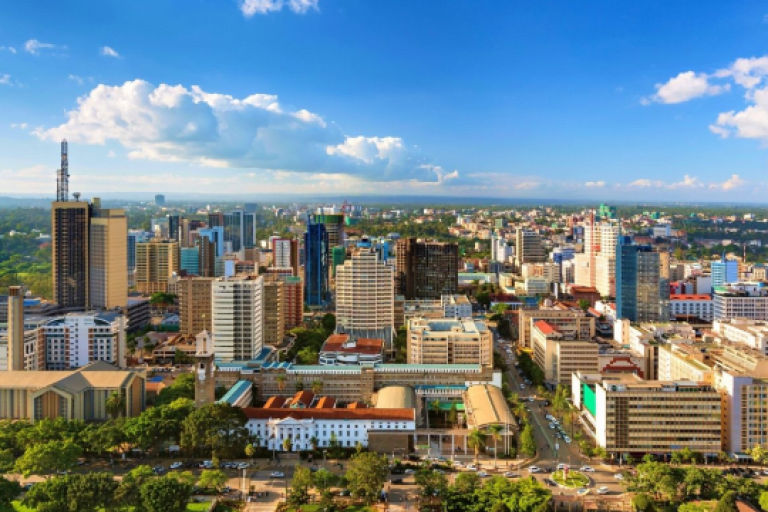
Jomo Kenyatta International Airport: East Africa’s major flight hub near Nairobi, providing access to Masai Mara, Amboseli, Mombasa, Kenya’s beaches, and neighboring countries like Tanzania, Uganda, Rwanda, and the Seychelles.
Wilson Airport: Located near Nairobi, it serves as the main domestic flight hub, connecting to Kenya’s fly-in safari destinations. Allow sufficient time for transfers between Jomo Kenyatta and Wilson airports.
Moi Mombasa International Airport: Situated near Mombasa, it serves as the gateway to Kenya’s coastal region.
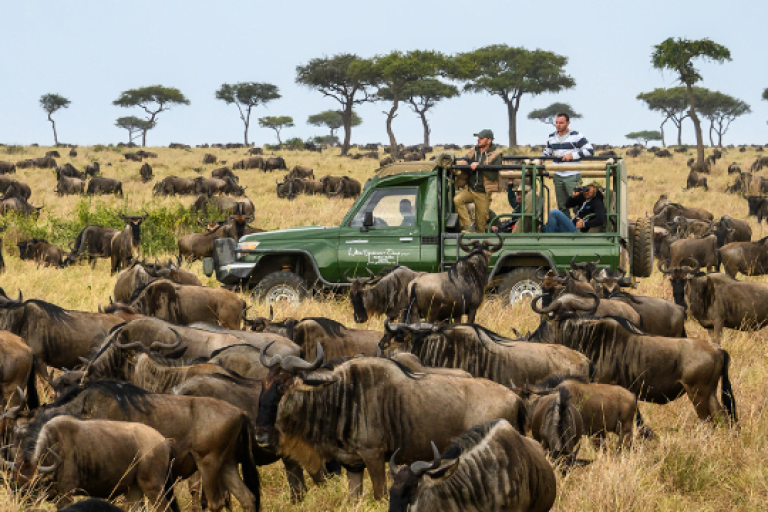
Chartered flights offer convenient transportation, especially for remote areas, while road transfers and mini buses are commonly used for transfers between airports and major destinations. Safaris in popular areas like Masai Mara utilize mini buses, while open-sided 4X4 vehicles are preferred for safaris in remote locations and private conservancies.
Kenyan History & Economy
Kenya’s history spans from prehistoric times to its independence from Britain in 1963, marking a significant milestone in its journey. Situated in a region where early humans originated about 150,000 years ago, Kenya’s rich past has been shaped by indigenous African ethnic groups, as well as European and Arabian traders, missionaries, and colonizers. Jomo Kenyatta, the first leader of independent Kenya, emphasized unity with his rallying cry of harambee, meaning “all pull together,” which has become the national motto. Presently, Kenya boasts the largest and most advanced economy in East Africa, with agriculture employing 75% of the workforce and the service industry, particularly tourism, contributing a significant portion to the country’s GDP.
Landscape & Wildlife
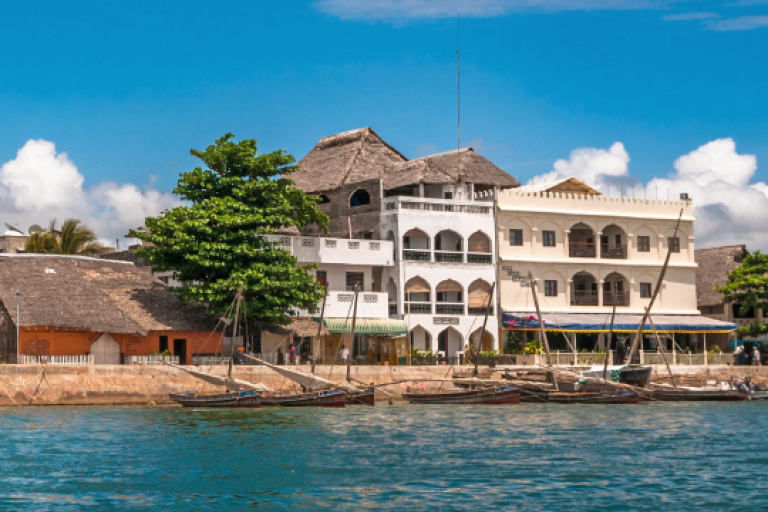
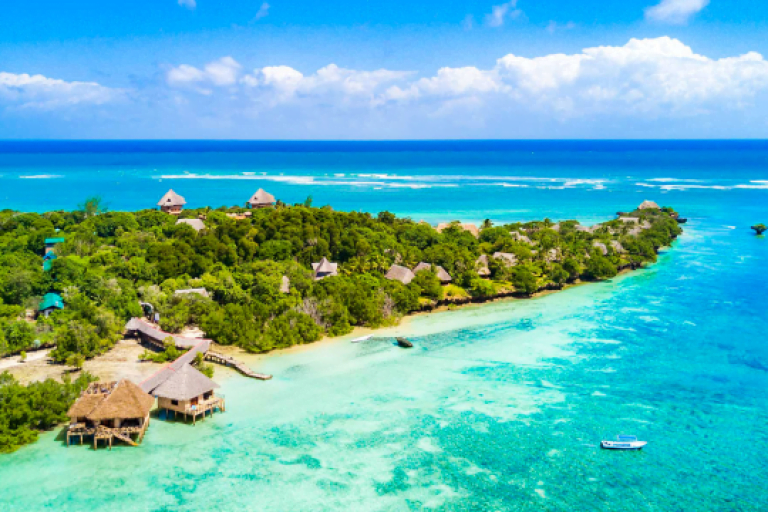
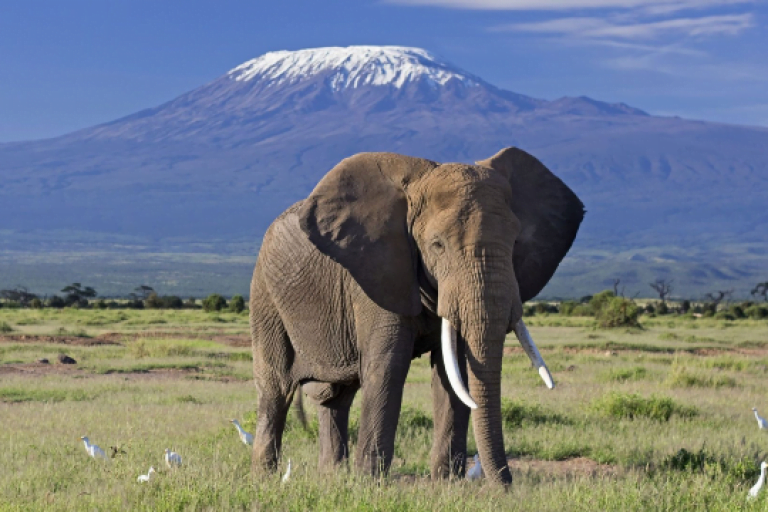
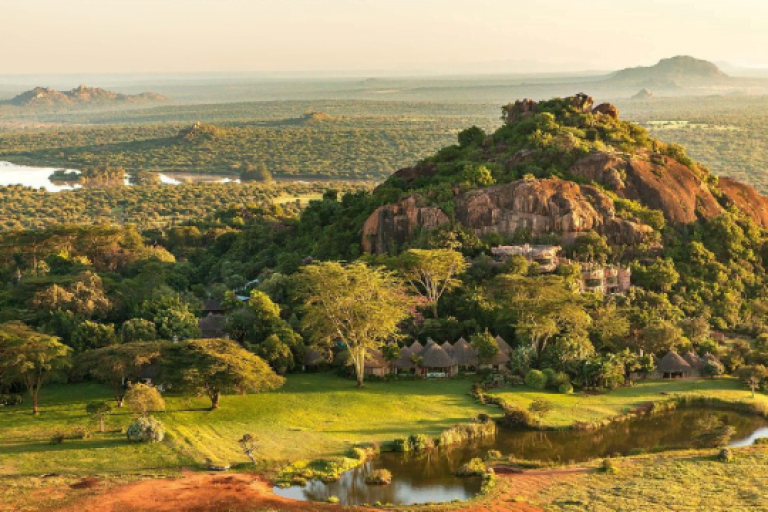
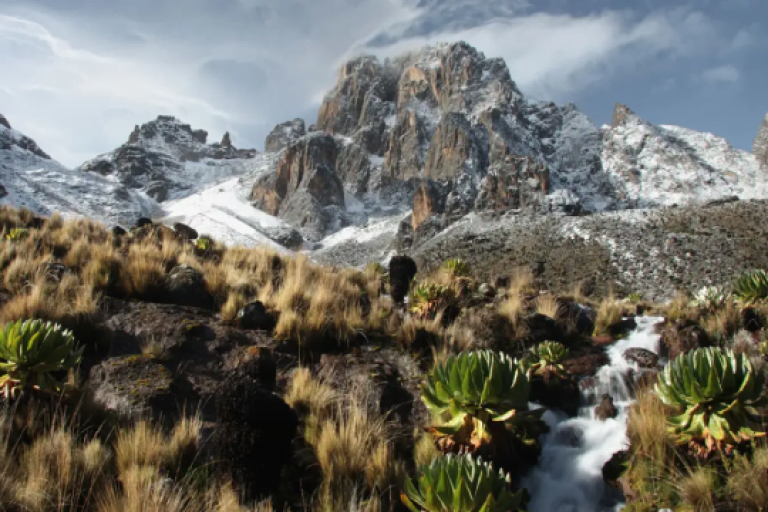
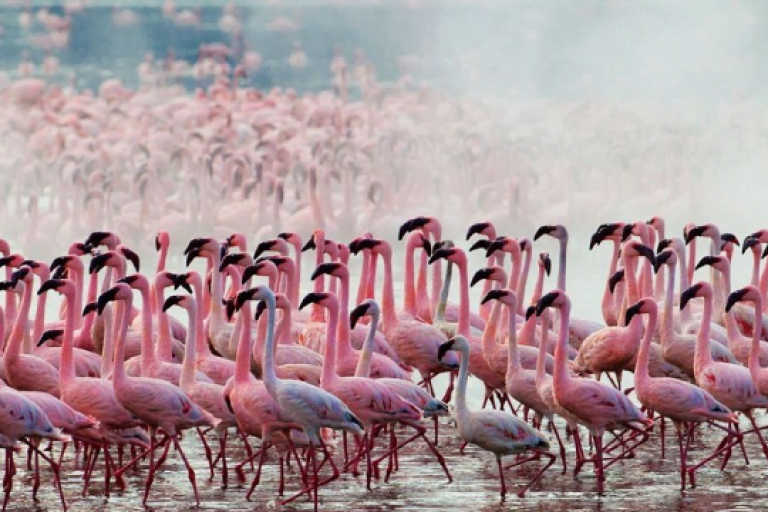
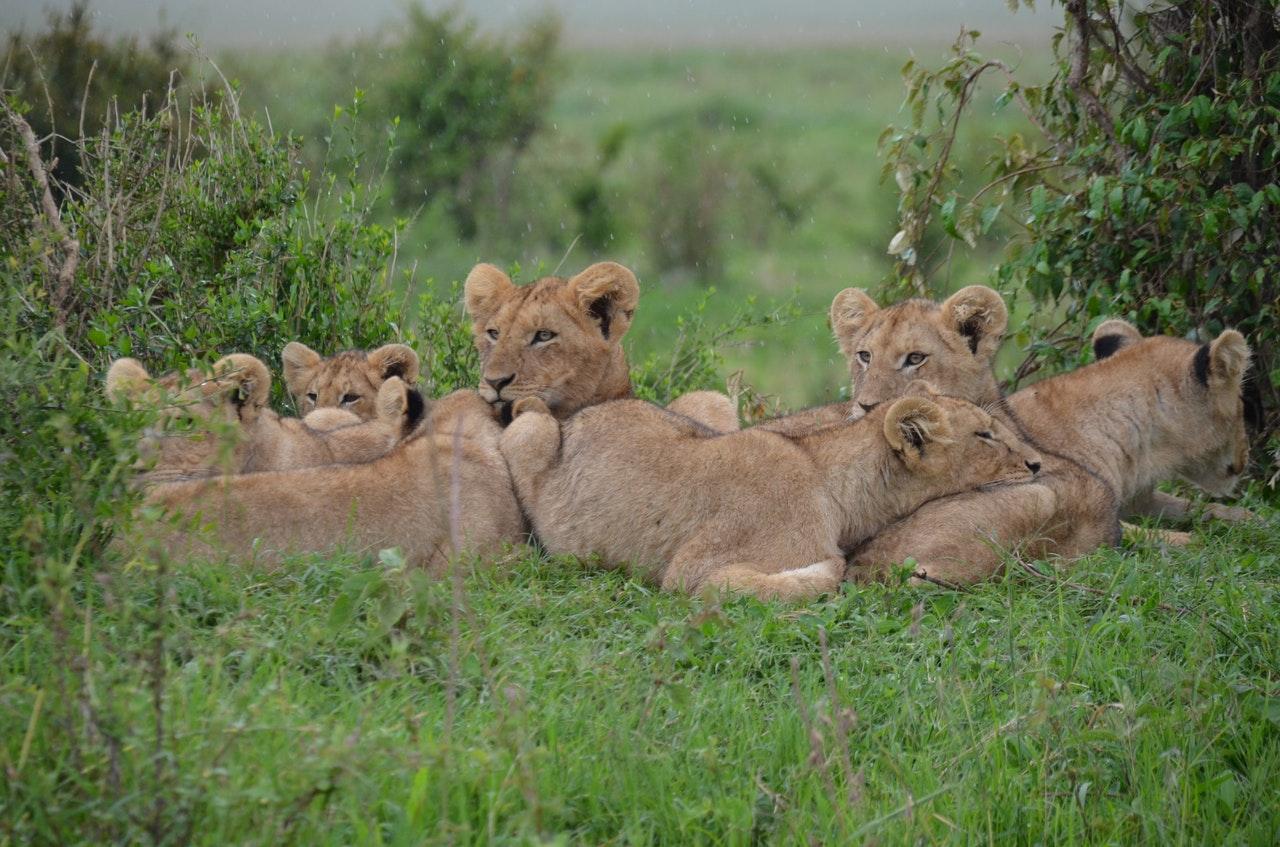
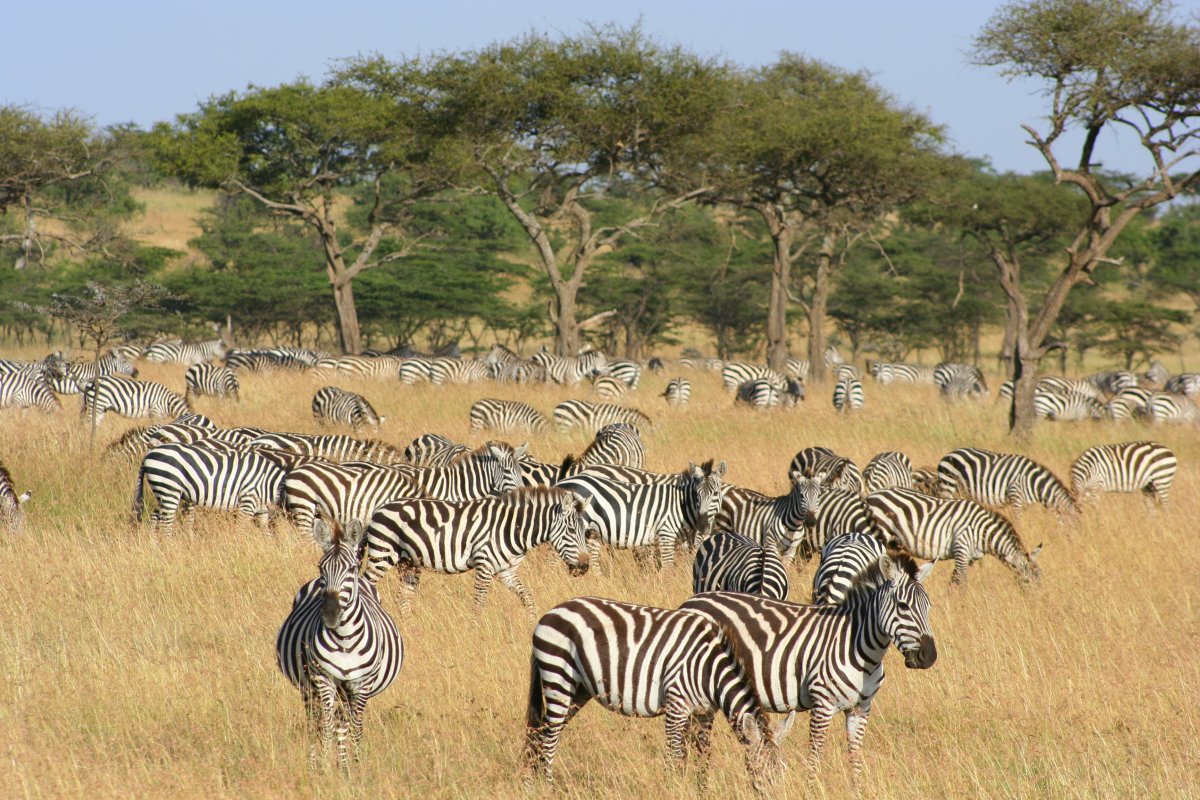
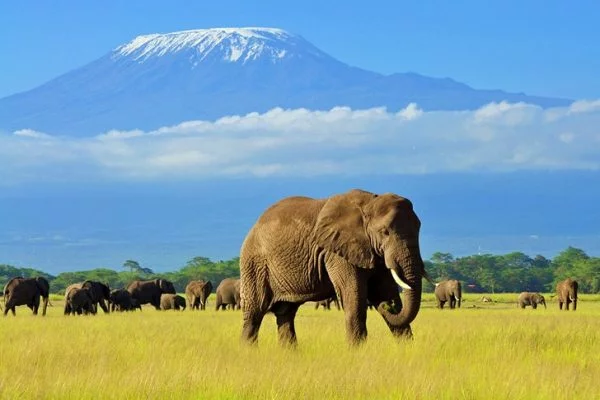
Kenya, straddling the equator, showcases the magnificent Rift Valley with its lakes, hills, and mountains. This diverse landscape divides the coastal plains from Lake Victoria’s fertile shores and hosts Kenya’s renowned national parks and reserves. The central Rift Valley offers temperate grasslands abundant with wildlife, while the northern region boasts hot scrublands and remote parks. Along the Indian Ocean coast, you’ll find pristine sandy beaches, coral reefs, and tropical islands. Kenya is famous for the incredible wildebeest migration in the Masai Mara and Serengeti ecosystem, and its commitment to conservation has safeguarded the Big 5, predators, plains game, and a wealth of bird species. With accessible game viewing, Kenya is a treasure for wildlife enthusiasts.