 Plan This Experience
Game
Drives.
The original and defining safari experience. At dawn in an open vehicle, engine off, the African bush coming to life around you. From Uganda's tree-climbing lions to Tanzania's Great Migration, we place you exactly where the wildlife is.
The Art of the Game Drive
A game drive is the core of the East African safari experience. You travel through a national park or reserve in a purpose-built 4x4 vehicle with a professional guide and naturalist who reads the landscape, tracks animal movement and positions you for encounters that most visitors never get close to on their own. It is the difference between seeing wildlife and truly witnessing it.
The quality of a game drive is determined almost entirely by the quality of your guide. A mediocre guide drives roads and points at animals. An exceptional guide reads the bush the way a reader reads a page: the broken branch that shows where an elephant passed three hours ago, the vultures circling two kilometres distant that indicate a kill, the particular alarm call of an impala that tells experienced ears exactly which predator is approaching and from which direction. Our guides are all drawn from this second category.
East Africa offers game drive experiences of extraordinary variety. In Uganda, Queen Elizabeth National Park is home to the famous tree-climbing lions of Ishasha, vast buffalo herds, elephants, leopards and over 600 bird species. Murchison Falls delivers Africa's most dramatic waterfall setting combined with exceptional game drives along the Nile's northern bank. In Kenya, the Masai Mara in July and August is the greatest wildlife spectacle on earth during the Migration crossings. In Tanzania, the Serengeti offers year-round big cat density that rivals anywhere in Africa and the Ngorongoro Crater concentrates wildlife in a natural enclosure of extraordinary richness.
We plan every game drive itinerary around specific wildlife events: where the lion prides are denning, when the Migration will reach the Mara River crossings, which areas of Queen Elizabeth have had recent leopard sightings. You are never simply pointed at a park and told to enjoy yourself. Every drive has purpose and positioning behind it.
Pop-up roof for standing views
Afternoon: 4 to 7pm
Full day with packed lunch
Choose Your Drive

Morning Game Drive
The morning drive, departing at or before dawn, is the most productive game drive of the day without exception. Predators are finishing their overnight hunts and often visible at kills as the light improves. Lions and cheetahs are active and visible before the heat drives them into shade. Elephants are moving between water sources. Birds are at peak activity. The quality of early morning light for photography is extraordinary. Across all our destinations, we always prioritise a 5.30 to 6am departure for the morning drive regardless of how early it means waking.
Afternoon Game Drive
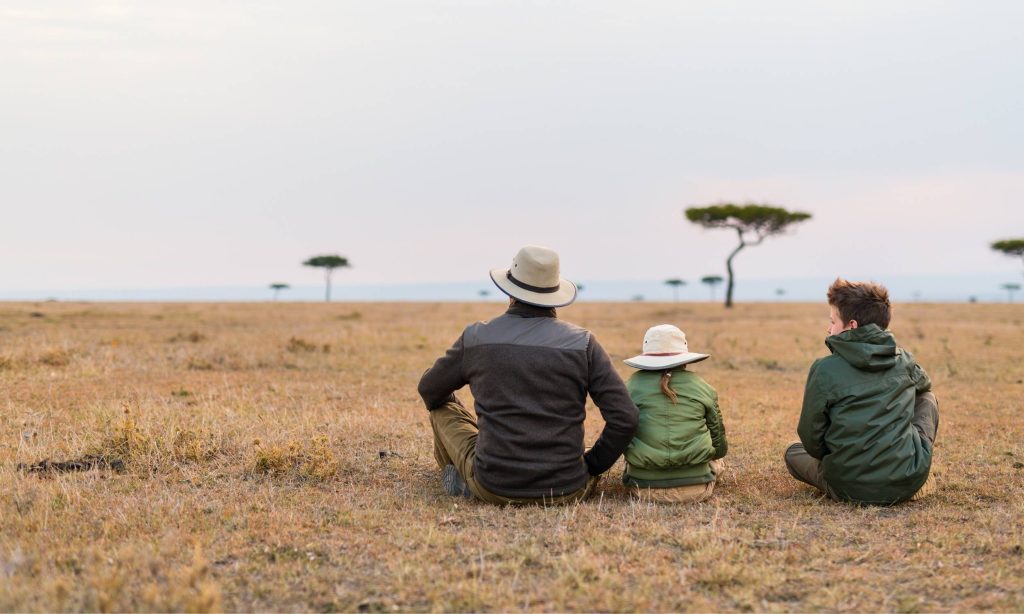
Departing at around 4pm and returning at last light, the afternoon drive captures the second active period of the day. Temperatures drop, animals emerge from shade, and the late afternoon light that turns the savannah gold is the most photogenic light in Africa. Sundowner stops, where your driver parks at a scenic viewpoint with cold drinks and snacks as the sun drops, are one of the most elegant traditions of the classic African safari and something we build into every afternoon drive where the park regulations permit.
Full Day Game Drive
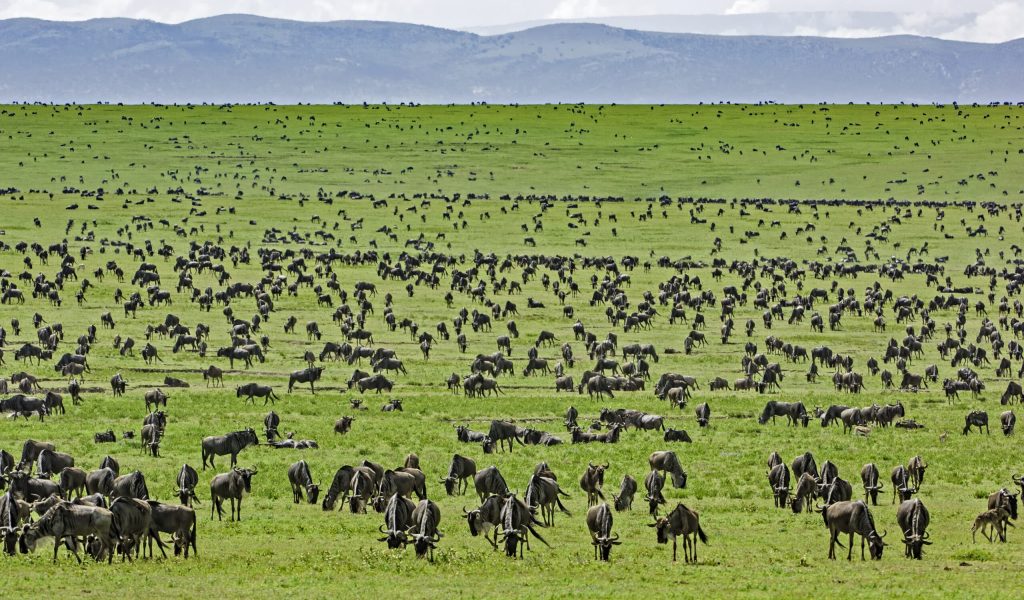
A full day drive keeps you in the park from opening to closing, maximising your time in the bush and covering far more ground than a half-day session allows. Particularly valuable in large parks like the Serengeti and Masai Mara where specific areas require significant driving time to reach. A packed lunch prepared by your lodge is eaten in the bush, often with a vehicle parked beside a waterhole or on a ridge with a view. Full day drives are essential during the Mara River crossing season, when crossing events can happen at any time and leaving the river means potentially missing the defining moment of the entire safari.
Night Game Drive
Night game drives, conducted with powerful spotlights after park hours, reveal an entirely different cast of characters from the daytime safari. Leopards are most active at night and sightings during night drives are significantly higher than during the day. Civets, genets, servals, aardvarks, porcupines, bushbabies and nightjars are all regularly encountered. Night drives are permitted in Queen Elizabeth National Park in Uganda (where they are exceptional) and in private conservancies bordering the Masai Mara in Kenya. They are not permitted in Tanzania's national parks. We arrange night drives as an add-on to standard park programmes where regulations allow.
Where to Drive
Six parks across four countries, each exceptional in a different way. Understanding what each offers helps us build the right itinerary for you.
Masai Mara
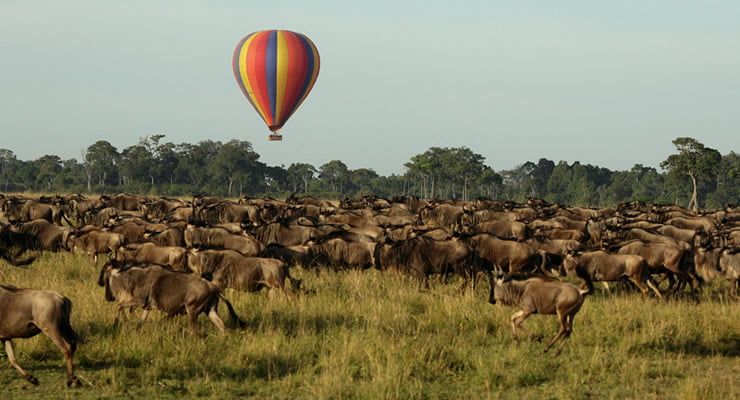
Kenya's crown jewel and one of the world's great wildlife destinations. Year-round big cat density is exceptional with resident lion prides, cheetah families and leopards throughout the reserve. July to October is Migration season when over 1.5 million wildebeest cross the Mara River in scenes of extraordinary drama. The private conservancies bordering the reserve offer night drives and off-road driving unavailable inside the national reserve itself.
Serengeti
Tanzania's greatest park and the world's most famous game drive destination. The Serengeti is simply enormous, covering over 14,000 km², and different zones offer radically different experiences depending on the time of year. The southern plains deliver the calving season in January and February. The western corridor and northern Serengeti host Migration crossings at different months. The central Seronera area provides reliable big cat sightings year-round.

Ngorongoro Crater
The world's largest intact volcanic caldera is a natural enclosure for one of Africa's greatest wildlife concentrations. The crater floor holds approximately 25,000 large animals including the Big Five, some of Africa's last free-ranging black rhino and large prides of black-maned lions. The crater descent road offers dramatic viewing from the crater rim at 2,200 metres before dropping into the floor ecosystem. Game drive access is limited to day visitors only; no overnight camping is permitted inside the crater.
Queen Elizabeth NP
Uganda's most diverse national park and one of Africa's most underrated game drive destinations. The Kasenyi plains on the northern bank of Lake Edward support excellent lion, elephant, buffalo, kob and waterbuck populations. The Ishasha sector in the south is home to Uganda's famous tree-climbing lions, a unique behavioural adaptation found in only two locations in Africa. Night drives are permitted and exceptional, with outstanding leopard and hyena activity after dark.
Murchison Falls NP
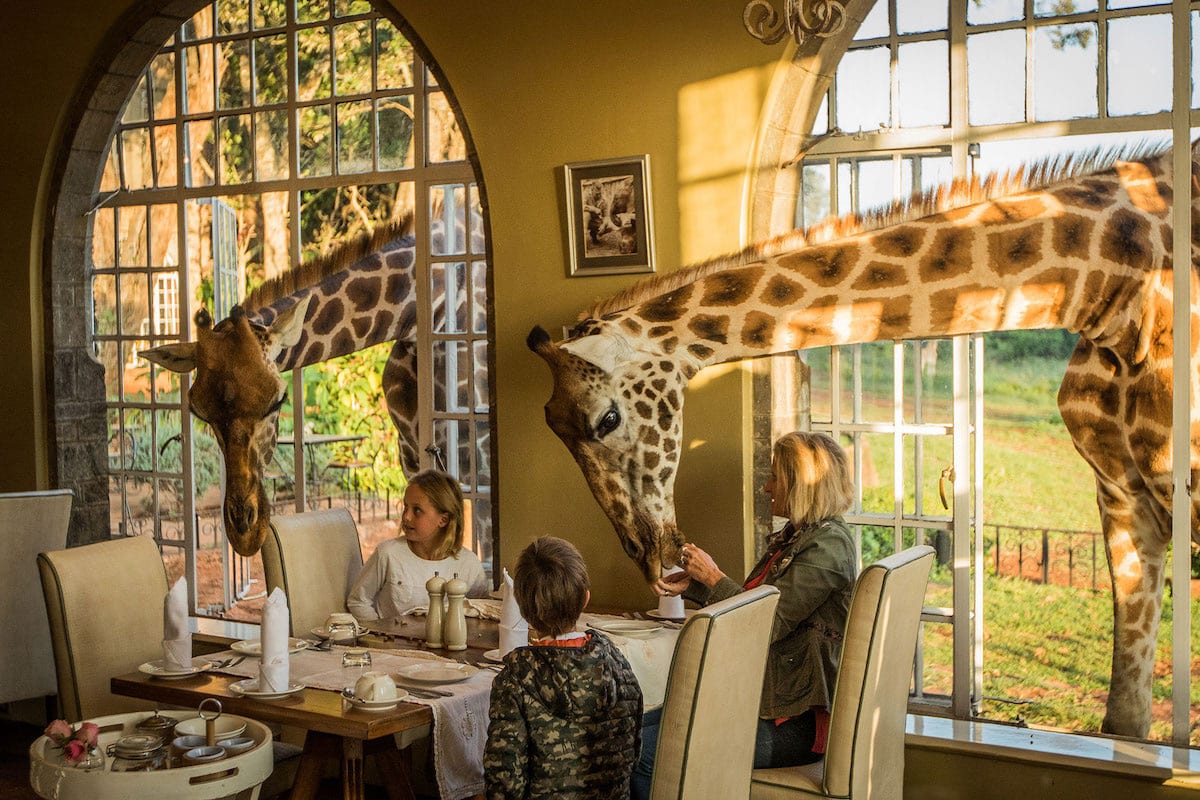
Uganda's largest national park sits at the northern end of the Albertine Rift. The northern bank of the Victoria Nile delivers game drives among Africa's most impressive elephant herds, alongside lions, leopards, buffaloes, Rothschild's giraffes and large numbers of Uganda kob. The Murchison Falls themselves, where the entire Nile is compressed through a seven-metre gap, are one of Africa's most extraordinary natural features and visible by both vehicle and boat.
Akagera National Park
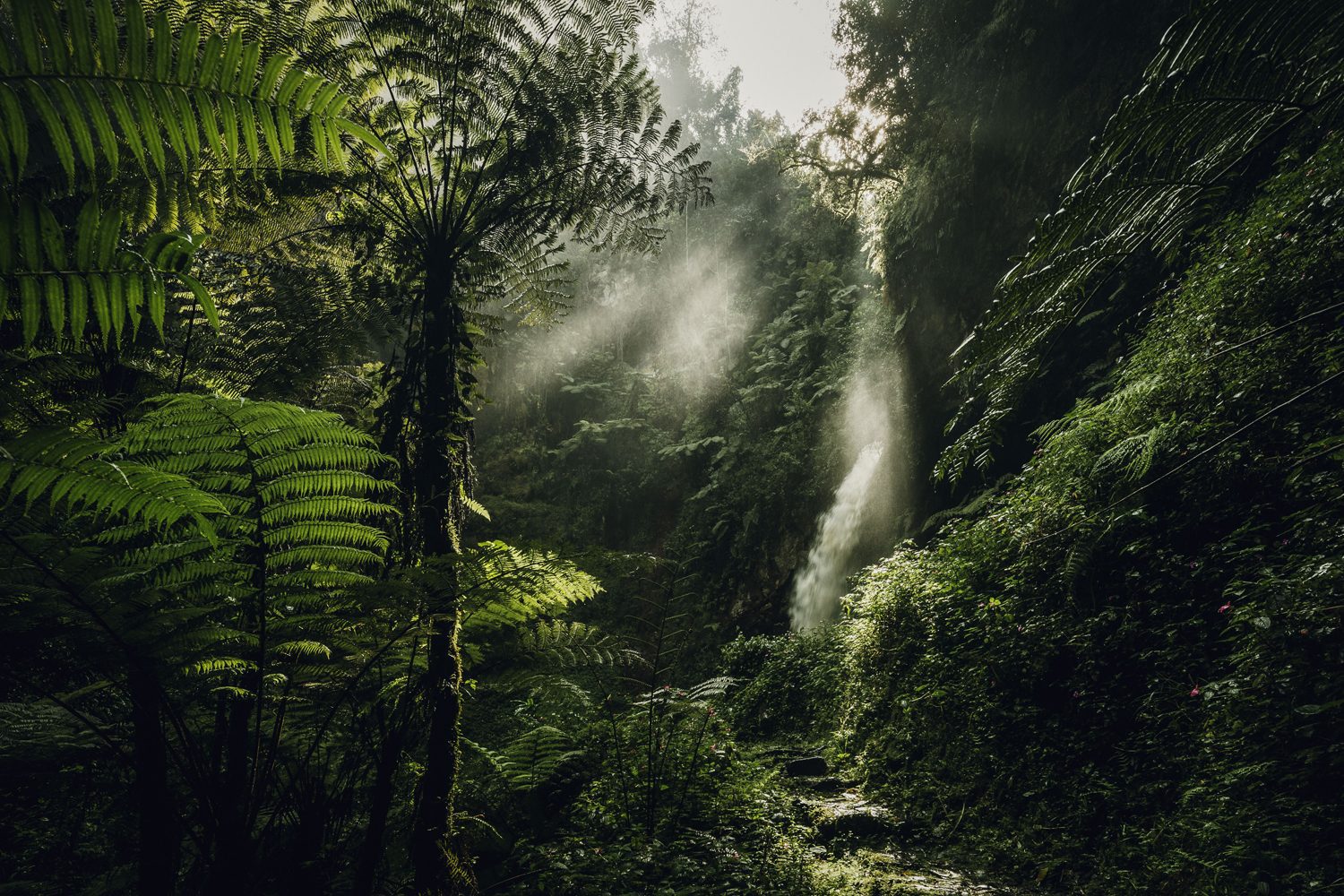
Rwanda's only Big Five safari park has undergone a remarkable conservation transformation over the past decade. Lions were reintroduced in 2015 after a 20-year absence, black rhino were reintroduced in 2017, and elephant and buffalo numbers have recovered substantially. The park's eastern savannah and lakeside ecosystems offer excellent morning drives with genuine wilderness atmosphere. Akagera pairs naturally with Volcanoes National Park for a complete Rwanda wildlife circuit.
Before You Drive
In the Vehicle
- ✦Purpose-built 4x4 with pop-top roof for unobstructed 360-degree standing views
- ✦Private vehicle for your group only. We never mix groups.
- ✦Charging ports for cameras and phones in all vehicles
- ✦Chilled water, soft drinks and snacks always on board
- ✦Binoculars provided. Bring your own for the best experience.
- ✦First aid kit and emergency communication equipment in all vehicles
- ✦Field guide library for species identification during drives
Your Guide
- ✦Minimum 10 years field experience in the specific park you are visiting
- ✦Certified by Uganda Wildlife Authority, Kenya Wildlife Service or TANAPA
- ✦Expert naturalist with deep knowledge of animal behaviour, not just species identification
- ✦Fluent English. Other languages available on request.
- ✦Radio network connecting guides across the park for sighting coordination
- ✦Knowledge of individual animals: which lion pride, which cheetah coalition, which leopard territory
What to Bring
- ✦Camera with 100-400mm zoom lens for wildlife photography
- ✦Neutral coloured clothing. No white, bright colours or strong perfume.
- ✦Warm layer for early morning drives. Savannah cold before 8am.
- ✦Wide-brim hat and high-SPF sunscreen for open vehicle exposure
- ✦Personal binoculars (8x42 recommended)
- ✦Dust bag for camera equipment on dry season drives
Park Rules and Ethics
- ✦Stay in the vehicle at all times unless at designated viewpoints
- ✦No shouting, sudden movements or noise near wildlife
- ✦Never feed animals under any circumstances
- ✦Respect minimum approach distances set by your guide
- ✦No off-road driving except in private conservancies where permitted
- ✦Always defer to your guide's judgement on positioning and approach
Best Season by Destination
December to February and June to September are the dry seasons when game viewing is at its best. Animals concentrate around water sources and vegetation is lower, making spotting much easier. The wet seasons (March to May and October to November) bring green, lush landscapes but denser vegetation and muddier tracks. Night game drives are available year-round in Queen Elizabeth.
July to October is peak season for the Great Migration and Mara River crossings. Game viewing in the Mara is excellent year-round due to resident big cat populations. January to February is an excellent quieter period with good wildlife, lower crowds and reduced rates. Avoid April to June which is the long rains season.
Tanzania is a year-round destination with different zones providing different highlights each month. January to March brings the calving season on the southern Serengeti plains, one of the greatest wildlife events on earth. June to October delivers dry season game viewing with the northern Migration crossing into Kenya. Ngorongoro Crater is exceptional year-round.
Akagera is game-driveable year-round as it receives less rainfall than Uganda's western parks. June to September and December to February are the driest and most comfortable months with the best game concentration. Akagera pairs perfectly with Volcanoes National Park on a 7 to 10 day Rwanda circuit combining gorillas, game drives and cultural visits.
Game Drives in Pictures