 Plan This Experience
Cultural
Tours.
The wildlife of East Africa is extraordinary. The people are what make it unforgettable. The Batwa forest communities of Uganda. The Maasai of Kenya and Tanzania. The Rwandan story of reconciliation and renewal. Zanzibar's ancient Swahili culture. Every destination carries a human story as rich as its wildlife.
The Human Story of East Africa
East Africa's cultural heritage is as extraordinary as its wildlife. The region is home to some of the world's most resilient and ancient cultures, from the Batwa Pygmy forest communities of Uganda and Rwanda whose ancestors lived in the equatorial rainforest for tens of thousands of years, to the Maasai pastoralists of Kenya and Tanzania whose cattle-centred culture and distinctive red ochre dress have become one of Africa's most recognisable images, to the Arab-African-Indian fusion culture of Zanzibar's Stone Town with its thousand-year history as an Indian Ocean trading hub.
Rwanda's story of reconciliation and rebuilding after the 1994 genocide is one of the most compelling narratives in modern Africa. Visiting the Kigali Genocide Memorial and engaging with the country's visible transformation is not comfortable but it is important, and visiting Rwanda without understanding this history means misunderstanding the country entirely. The Rwandan people's warmth, pride and determination to define their future rather than their past is one of the most moving human experiences available anywhere in the world.
Cultural tourism in East Africa, when done thoughtfully and through community-led organisations, is among the most impactful forms of conservation and community development available to travellers. The Batwa communities, dispossessed of their forest homes when national parks were created, have found a new economic role through cultural tourism that provides income, preserves knowledge and creates a bridge between their ancient forest wisdom and the modern world. Maasai community conservation areas in Kenya generate income that funds schools and clinics while incentivising the protection of wildlife corridors.
We are selective about which cultural experiences we include in our itineraries. We only recommend community-led and community-owned experiences where the majority of revenue goes directly to the community. We never include staged, performative tourist shows that have no authentic connection to real cultural practice. Every cultural experience we offer involves real people sharing real aspects of their actual lives, heritage and knowledge.
Stories Across Four Countries
The Batwa Cultural Trail
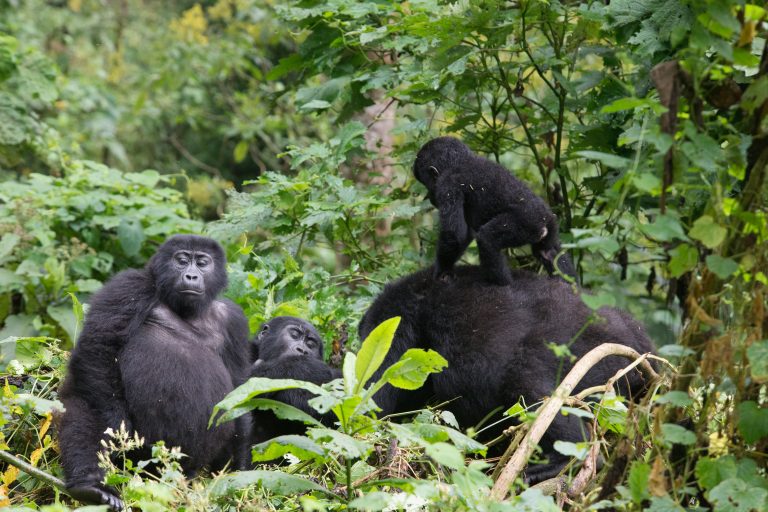
The Batwa are the original forest people of the Bwindi Impenetrable and Mgahinga forests. For tens of thousands of years they lived as hunter-gatherers in the same forests now protected as gorilla habitat. When these areas became national parks in 1991, the Batwa were evicted from their ancestral home without compensation or alternative land. The Batwa Cultural Trail is a community-owned experience that takes visitors on a guided walk with Batwa elders through the forest edge, demonstrating forest survival skills, traditional medicine, music, dance and honey harvesting techniques accumulated over millennia of forest living.
The trail is not a performance. It is an authentic transmission of knowledge from a community that lived in symbiosis with this forest and its wildlife, including the mountain gorillas, for generations. Participating connects the gorilla trekking experience to its full human context and contributes directly to the community through fees that go entirely to the Batwa Trust.
Kigali: Genocide Memorial and City Story
No visit to Rwanda is complete without spending time in Kigali and visiting the Kigali Genocide Memorial, where 250,000 victims of the 1994 genocide are buried and commemorated. The memorial is deeply affecting and deeply important. The history it tells is not comfortable and it was never intended to be. It is one of the most honest and carefully curated historical museums in Africa, and spending two hours there fundamentally changes your understanding of this country.
Paired with the memorial, a guided tour of Kigali reveals a city that has rebuilt itself with extraordinary intentionality into one of the cleanest, safest and most orderly capitals in Africa. The contrast between the history in the memorial and the city outside its doors is both disorienting and deeply moving. Rwanda's path from 1994 to today is the most remarkable national transformation story in modern African history, and Kigali is where it is most visible.
Ibyiwacu Cultural Village
The Ibyiwacu Cultural Village sits on the edge of Volcanoes National Park and is operated by former poachers who now work as cultural ambassadors and conservationists. The village experience includes traditional dance and music performed by community members, demonstrations of traditional medicine, banana beer brewing, blacksmithing and weaving, a guided tour of a traditional Rwandan homestead and interaction with community elders about pre-colonial Rwandan culture and the role of the kingdom system.
What distinguishes Ibyiwacu from many cultural tourism programmes is its direct connection to conservation: the community members who run it were previously involved in poaching the same mountain gorillas that visitors pay USD 1,500 to trek. The conversion of former poachers into cultural guides and conservation advocates is one of Rwanda's most quietly powerful conservation success stories and spending an hour with the community makes it tangible.

Maasai Village Visit
The Maasai are Kenya's most iconic cultural group: tall, proud, red-ochred pastoralists who have maintained their cattle-centred culture and warrior traditions in the face of dramatic modernisation across East Africa. A genuine Maasai village visit, as distinct from the tourist-facing performances that have unfortunately become common at some lodge boundaries, is an extraordinary window into a way of life whose values and practices are completely unlike anything in the urban or agricultural mainstream.
The best Maasai cultural experiences are those where community elders agree to receive small groups into their enkiama, explain the structure of Maasai society, the role of the moran (warrior) age group, the significance of cattle in Maasai culture, traditional medicine and the complex relationship between the Maasai and wildlife on their ancestral grazing lands. Many Maasai communities in the private conservancies bordering the Mara have become active conservation partners and the conversation about the relationship between pastoralism and wildlife conservation is one of the most important in East Africa.

Stone Town Walking Tour and Night Market
Stone Town is a UNESCO World Heritage Site and one of the most atmospheric historic cities in the world. A guided cultural walking tour of its dense network of lanes, carved wooden doors, Arab merchant houses, mosques and churches takes three to four hours and covers more history per square metre than almost anywhere else in Africa. The East African slave trade, Arab merchant culture, Indian commercial influence, the birth of Freddie Mercury, the spice trade that gave Zanzibar its name, Portuguese colonial encounters and Swahili civilisation stretching back over a thousand years are all present and visible in the architecture and streetscape.
The Forodhani Gardens Night Market, where local vendors grill fresh octopus, lobster, calamari and Zanzibar pizza as the Indian Ocean dhows sail past at sunset, is one of Africa's great outdoor dining and cultural experiences and costs almost nothing. A knowledgeable local guide transforms the market from a collection of food stalls into a living expression of Zanzibar's extraordinary culinary history.
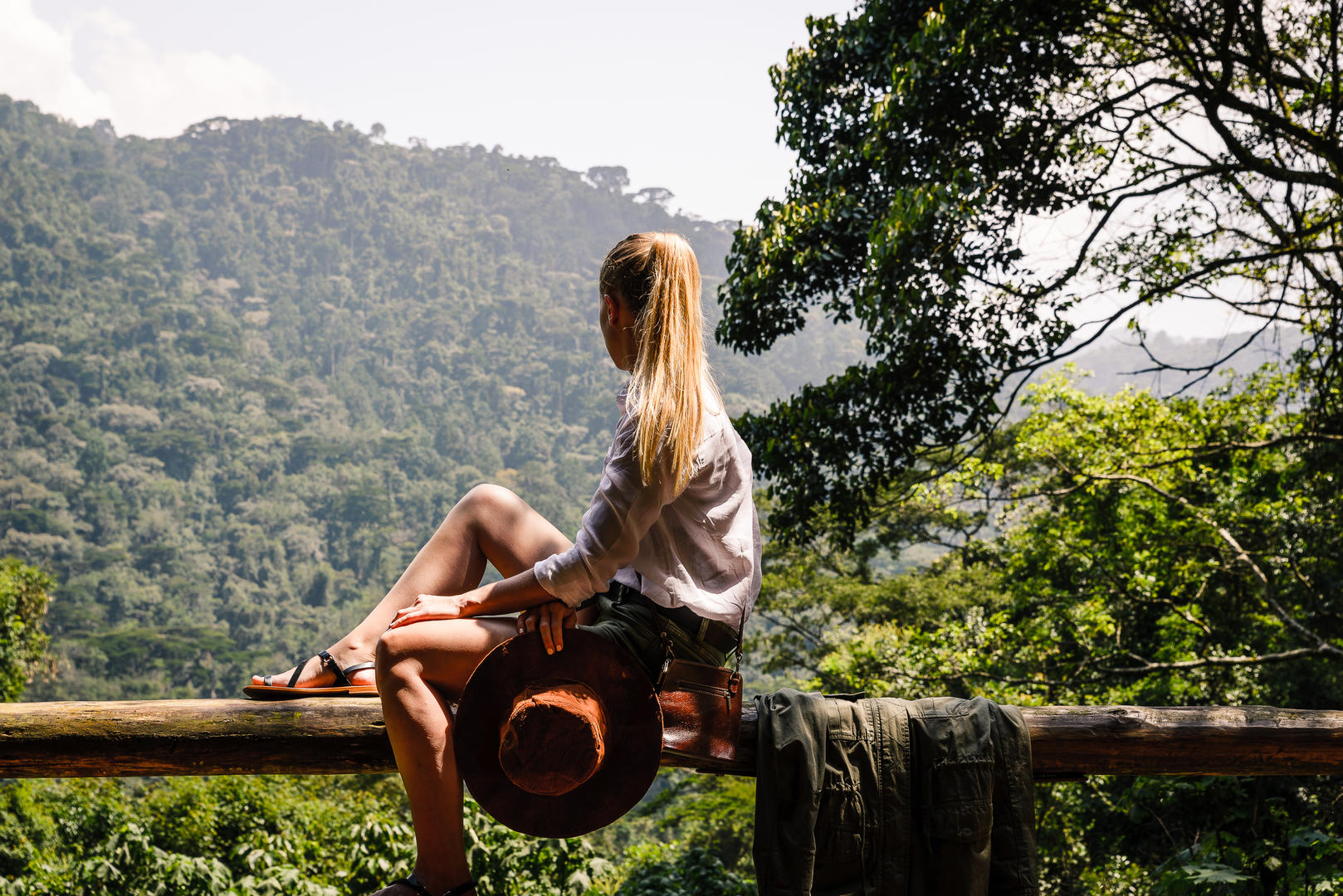
Bigodi Community Walk and Village Life
The Bigodi Wetland Sanctuary and community around it represents one of Uganda's most successful community conservation models. The local community, working with Kibale National Park, created a wetland sanctuary that generates tourism revenue while protecting critical primate habitat. A full day here combines the afternoon Bigodi Wetland walk, which delivers 200 bird species and eight primate species, with a community village walk that includes a local home visit, traditional food preparation, craft demonstrations and conversation with community members about the relationship between their livelihoods and the national park.
The Bigodi Women's Group markets quality handmade crafts including woven baskets, bark cloth products and jewellery, and purchasing directly from them is one of the most genuine craft-buying opportunities in Uganda. The full day Bigodi experience costs under USD 30 per person and has a more authentic feel than many considerably more expensive cultural tourism programmes elsewhere in the region.
Our Principles
Community-Led and Owned
We only include cultural experiences that are designed, operated and owned by the communities themselves. This means the majority of the fee goes directly to families and community funds, not to intermediary companies. We verify the ownership and revenue distribution structure of every cultural programme we recommend.
No Staged Performances
We do not include tourist-facing cultural shows that have no authentic connection to real cultural practice. The test is simple: would this cultural activity happen without tourists present? If the answer is no, it is not something we recommend. Every experience we offer reflects genuine living culture rather than a performance designed to meet tourist expectations.
Context Before Consumption
We brief every client on the history, context and significance of each cultural encounter before they attend it. Understanding the Batwa's dispossession from their forest home, the Maasai's ongoing land struggles or Rwanda's path from genocide to reconciliation transforms a cultural visit from tourism into genuine human encounter. Context makes all the difference.
Getting the Most From Cultural Encounters
Dress Modestly
For most cultural visits across East Africa, modest clothing is expected and appreciated. Cover shoulders and knees when visiting Maasai communities, Stone Town, rural villages and religious sites. Bright colours can be worn at Maasai visits where community members may be in their own vivid ochre and fabric; neutral colours are more appropriate at memorial sites and traditional homesteads.
Ask Before Photographing
Always ask permission before photographing community members and always respect a refusal. Many community members are happy to be photographed and a small tip (USD 1 to 2) is customary and appropriate for portrait photography. Do not photograph without asking: it is disrespectful, erodes the quality of the experience for future visitors and reinforces the dynamics that make extractive tourism harmful.
Buy Direct, Buy Local
Purchasing crafts, artwork or food directly from community members during cultural visits is one of the most direct and meaningful ways to benefit the people you are meeting. Avoid purchasing the same items from hotel gift shops where the markup is large and the community share small. The Batwa bead bracelets bought at the trail end, the Bigodi Women's Group baskets, the Zanzibar spice packets from Forodhani: these are the authentic purchases that matter.
Do Not Give to Children
Giving money, sweets, pens or any gifts directly to children during community visits encourages begging and undermines community dignity. If you want to contribute to education or community welfare, do so through the community organisation at the end of the visit. Our guides will advise on the appropriate mechanism for each community. The rule is simple: give to the community structure, not to individual children.
Listen More Than You Talk
The most valuable cultural encounters are those where visitors ask genuine questions and listen carefully to the answers rather than talking about themselves or their own culture. Your guide can translate nuance that a direct conversation misses. The elders and community members who participate in these visits have often chosen to share knowledge that took lifetimes to accumulate. Give that knowledge the attention it deserves.
Approach Difficult History With Care
Experiences like the Kigali Genocide Memorial require emotional preparation and respectful engagement. These are not tourist attractions in the conventional sense. Speak quietly. Be aware of survivors who may be present. Do not photograph memorial rooms without checking whether photography is permitted in each specific area. Do not visit if you are unable to give the experience your full, respectful attention. Allow time afterward to process what you have experienced.
Cultural Tours in Pictures