

What to Pack for Gorilla Trekking in Bwindi: The Complete 2026 Gear & Clothing
At Savannah Explore Africa, we don’t believe in generic packing advice . This definitive, gear-dense master guide covers every item you need to bring, provides the deep scientific and logistical reasoning behind each choice, and offers the kind of meticulous insight that only comes from years of sending elite clients into the mist of Bwindi.
The most critical, non-negotiable items to pack for gorilla trekking in Bwindi are waterproof, high-ankle hiking boots, gardening or trekking gloves to protect hands from thorny vines ,lightweight moisture wicking long trousers and long-sleeved shirts in neutral shades and a breathable waterproof rain jacket with a dedicated pack cover Avoid bright colours and shorts entirely .All gear must fit inside a 20-30 liter day pack which can be carried by a hired local porter
What to Pack for
Gorilla Trekking in Bwindi:
The Complete Guide for 2026
Everything You Need and Nothing You Don't for Bwindi Impenetrable Forest
Updated June 2026 ◆ Clothing · Footwear · Camera Gear · Seasonal Advice · Porter Guide
The gorilla permit is secured. The lodge is booked. The flight is confirmed. And now, with Bwindi Impenetrable National Park a matter of days away, comes the question that every first-time trekker eventually arrives at often at 11pm, staring at an open suitcase what exactly do I need to bring?
It is a question that deserves a serious answer. Gorilla trekking in Bwindi is not a gentle nature walk. The forest is ancient, dense, and genuinely impenetrable in places steep volcanic slopes, root-crossed trails, sudden rain, and the kind of mud that has swallowed hiking boots whole. The trek may last two hours or it may last eight, depending entirely on where the gorilla family has chosen to spend its morning. The conditions are unpredictable. The terrain is demanding. And the reward one protected hour in the presence of a mountain gorilla family is so extraordinary that nothing should be allowed to diminish it for want of the right pair of gloves.
This guide curated by the specialists at Savannah Explore Africa covers every item you need to pack, explains why each one matters, and offers the kind of detail that only comes from years of sending clients into Bwindi and learning, sometimes the hard way, what makes the difference between a comfortable trek and an uncomfortable one.
"The right preparation doesn't just make gorilla trekking more comfortable it makes it more present. When your feet are dry, your hands are protected, and your pack is light, you are free to simply be there."
The Essential Packing List at a Glance
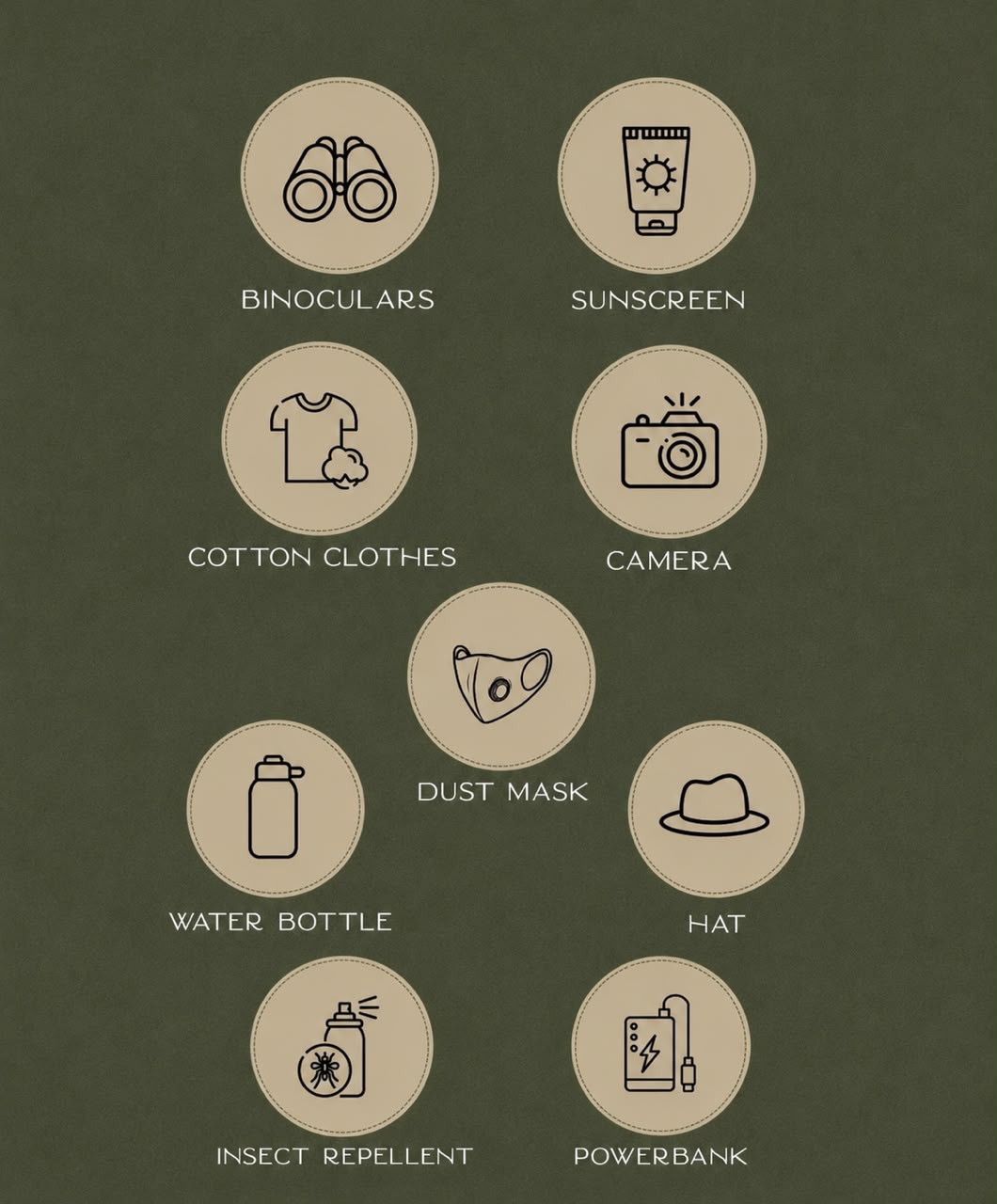
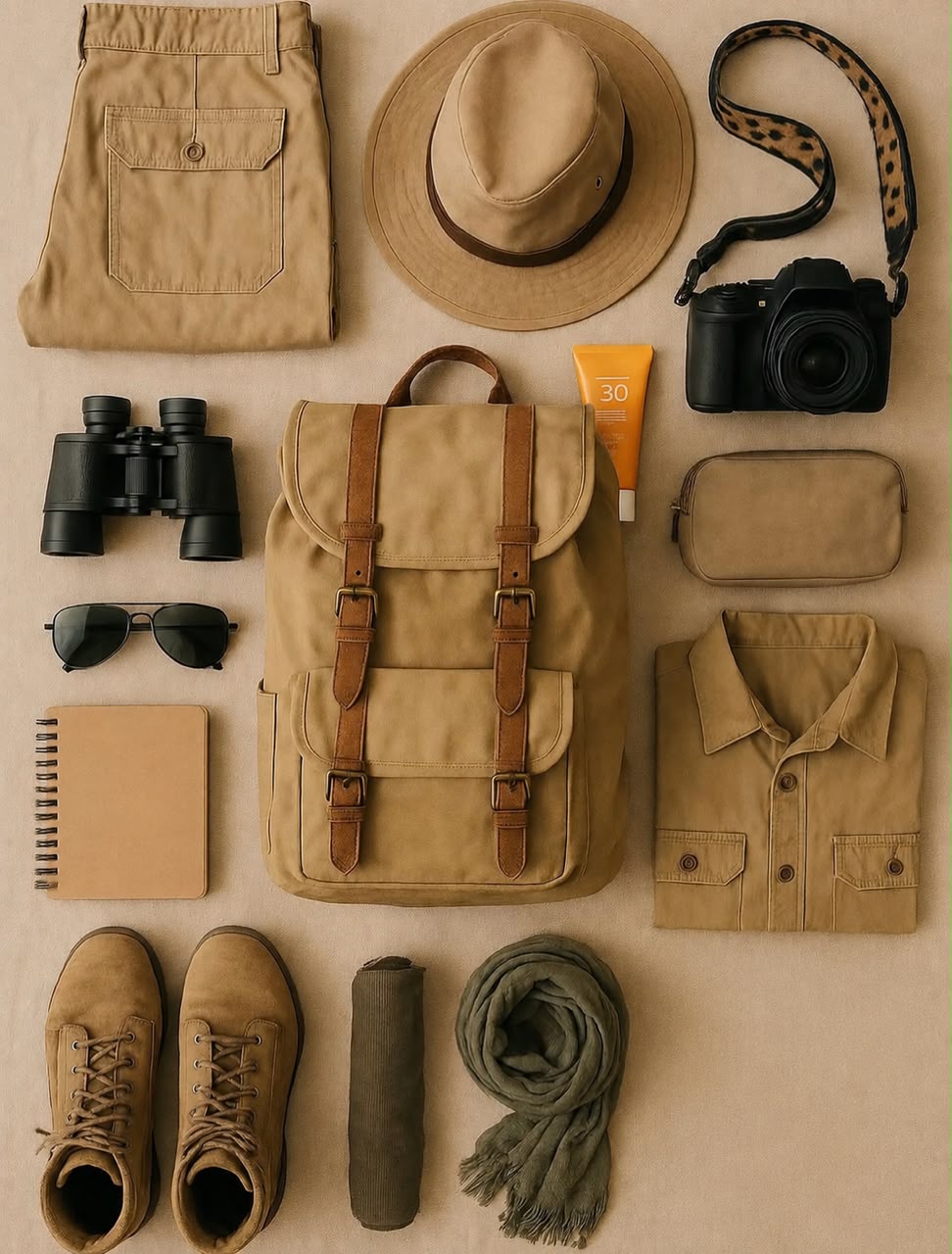
Before the detail, here is the complete master checklist organised by category for everything you need in Bwindi. Print it, check it twice, and pack accordingly.
Clothing & Footwear
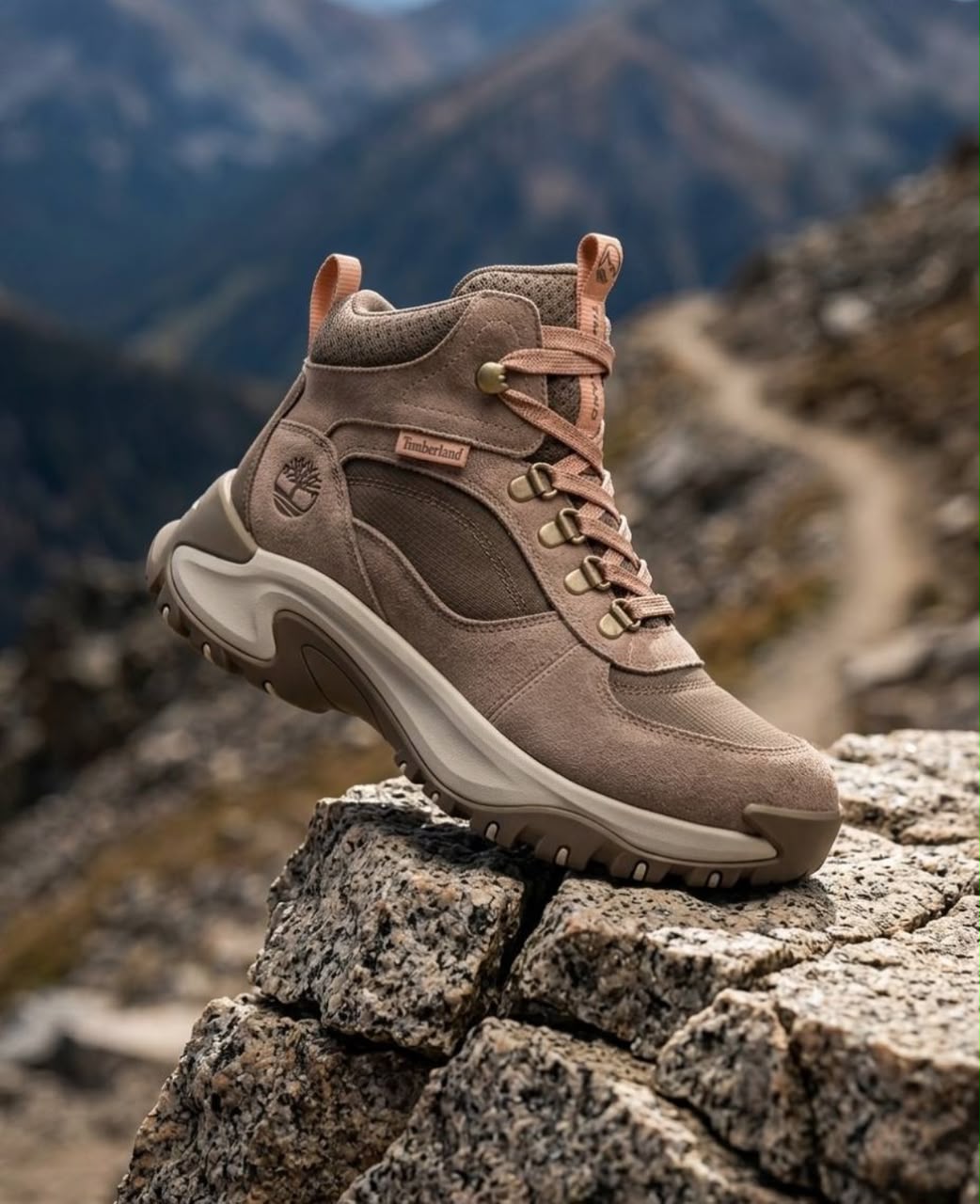
Waterproof hiking boots (broken in)
Long hiking trousers
Long-sleeved hiking shirt
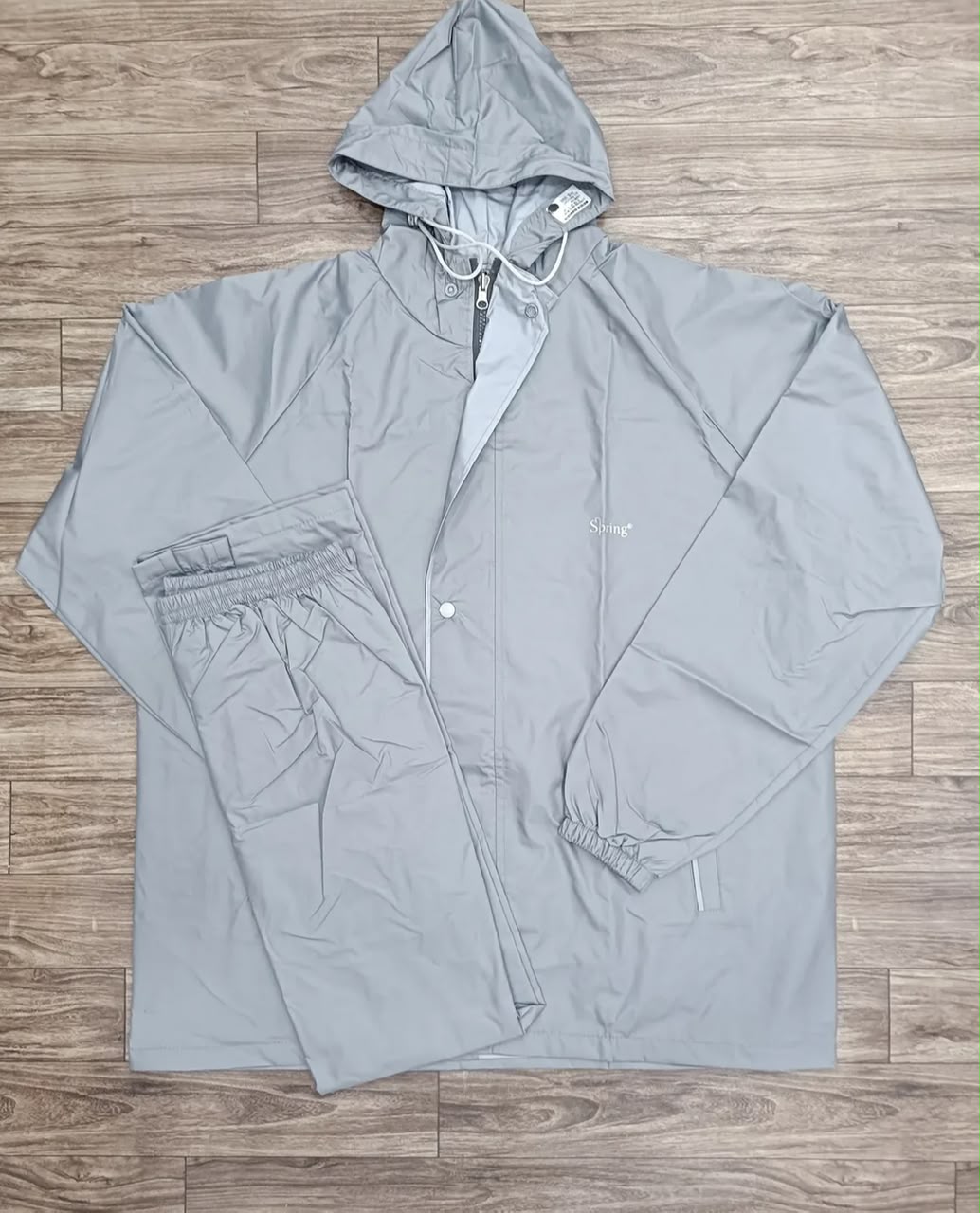
Lightweight waterproof rain jacket
Thick hiking socks (2–3 pairs)
Gardening or trekking gloves
Wide-brimmed hat or cap
Light fleece or mid-layer
Gaiters (wet season)
Pack & Hydration
Day pack (20–30 litres)
Waterproof pack cover
2 litres of drinking water
Energy snacks and bars
Reusable water bottle or hydration bladder
Trekking poles (recommended)
Passport photocopy
Hand sanitiser
Small amount of cash (porter tips)
Health & Protection
DEET-based insect repellent
Sunscreen (SPF 30+)
Personal medications
Antimalarial medication (as prescribed)
Lip balm
Small blister kit
Sunglasses
Tissues or biodegradable wet wipes
Face masks
Camera & Optics
DSLR or mirror less camera
Telephoto lens (70–200mm or similar)
Spare camera batteries (2 minimum)
Extra memory cards
Lens cloth and cleaning kit
Waterproof camera bag or cover
Binoculars
Small torch or headlamp
The Essential Items In Detail
Every item on the checklist above earns its place. What follows is the reasoning behind each category's most critical choices the details that separate a well-packed trekker from an under prepared one.
Waterproof Hiking Boots★ Most Critical Item
If there is one item on this list that admits no compromise, it is your footwear. Bwindi's trails are a study in the full range of what mountain rainforest terrain can produce: steep volcanic slopes slicked with rain, root-crossed paths that turn to streams in wet season, deep mud that can pull a boot clean off an unprepared foot, and rocky descents that demand absolute confidence in your ankle support.
Your hiking boots should provide:
Full waterproofing Gore-Tex or equivalent membrane is not optional; it is essential. Wet feet on a six-hour trek are more than uncomfortable they become a genuine safety consideration on slippery terrain
Ankle support mid or high-cut boots protect against the sprains that uneven forest terrain so readily produces, particularly on the descent
Aggressive grip Vibram soles or equivalent are strongly recommended; flat-soled footwear has no place in Bwindi
Comfort through breaking-in this cannot be overstated: new boots worn for the first time on trek day are a reliable source of blisters that will define your memory of the experience far more than the gorillas
Wear your boots on several walks of increasing length before departure. Your feet will thank you somewhere around hour four of the trek.
Clothing — What to Wear and Why Full Coverage Required
The temptation to pack light on clothing particularly for visitors arriving from hot climates is understandable and worth resisting. Bwindi's forest is a living ecosystem of considerable biological density, and your skin is exposed to thorny vegetation, stinging plants, insects, mud, and sudden cold at altitude.
Long trousers: lightweight, quick-drying hiking trousers in neutral colours green, khaki, brown, or grey. Avoid cotton, which holds moisture. Avoid bright colours, which can disturb wildlife and attract insects. Avoid shorts entirely they offer no protection against nettles, thorns, or the mud that will inevitably find its way above your boots
Long-sleeved shirt: moisture-wicking, quick-dry fabric in a neutral colour. The long sleeve serves as your primary defence against nettles, scratches, insects, and sun exposure during open sections of the trail
Lightweight rain jacket: breathable, waterproof, hooded, and packable this lives in your day pack until the moment it is needed, which in Bwindi may be at any point regardless of the morning forecast
Light fleece or mid-layer: Bwindi sits at altitude, and mornings at the park gate where you will wait for the briefing can be genuinely cold. A packable fleece worn over your shirt until the trek begins and stowed when you warm up is a small but meaningful comfort
Gardening gloves: this is the item that surprises every first-time visitor and is praised by every returning one. When navigating steep sections, trekkers inevitably grip vegetation bamboo, branches, roots for stability. Without gloves, this involves thorns, sharp bark, and stinging plants. With gloves, it involves none of these things
The Day pack — What Goes Inside 20–30 Litres Ideal
Your day pack is your mobile base of operations for the duration of the trek. It needs to be large enough to carry everything you require, small enough not to impede your movement through dense vegetation, and robust enough to survive the forest environment. Twenty to thirty litres is the optimal range for most trekkers.
Water: carry a minimum of two litres, in a reusable bottle or hydration bladder. Longer treks particularly in warm conditions will consume this entirely, so err toward more rather than less
Energy snacks: high-calorie, compact, and low-odour. Energy bars, trail mix, dried fruit, and nuts all perform well. Avoid anything with strong smells that might attract attention from the gorilla family or leave litter in the forest
Rain jacket and fleece: stowed until needed, easily accessible
Camera equipment: protected from moisture in a waterproof inner bag or camera cover
Personal medications: including any prescription items, basic pain relief, and blister treatment
Waterproof pack cover: an item that many trekkers forget and no trekker who has experienced Bwindi rain ever forgets again
If you engage a porter which we strongly recommend they will carry this pack for you, freeing you to move through the forest with greater ease and focus entirely on the experience.
Camera Equipment — Capturing the Encounter No Flash Permitted
The hour spent with the gorilla family is the hour you have been building toward since the moment you booked your permit. Your camera equipment should be chosen to serve that hour not to impress fellow trekkers, but to give you the best possible chance of capturing images that do justice to what you are witnessing.
Camera body: a DSLR or mirror less camera with strong low-light performance is strongly preferred over a smartphone. Bwindi's forest canopy filters light significantly, and the gorillas are found in dense vegetation where auto-exposure is challenged constantly
Telephoto lens: a 70–200mm lens provides the most useful combination of reach and handling speed in forest conditions. Wider lenses capture environmental context; longer lenses isolate individual subjects. Both have their moments if you carry two, your guide can advise on the moment to switch
Spare batteries: cold morning temperatures and extended shooting sessions deplete batteries rapidly. Carry a minimum of two fully charged spares
Spare memory cards: fill one card in the forest and you will not forgive yourself. Carry at least two with ample capacity
Flash: strictly prohibited. The gorillas are sensitive to sudden bright light, and flash photography is banned under Uganda Wildlife Authority regulations without exception. Shoot with available light, set a high ISO, and embrace the atmospheric quality of forest photography
A smartphone can produce remarkable images in the right conditions particularly for environmental shots and group portraits at the end of the trek. For the gorillas themselves, a dedicated camera with a telephoto lens will consistently outperform it in the forest's variable light.
Expert Recommendation
Hire a Porter. Without Question.
At Savannah Explore Africa, this is the single most consistent piece of pre-trek advice we give and the recommendation that clients most frequently thank us for after the fact. A local porter carries your day pack, offers a steadying hand on the steepest and muddiest sections of the trail, and navigates the forest with a confidence born of intimate familiarity. They are not merely luggage carriers; they are guides in their own right, and their presence transforms the physical experience of the trek entirely.
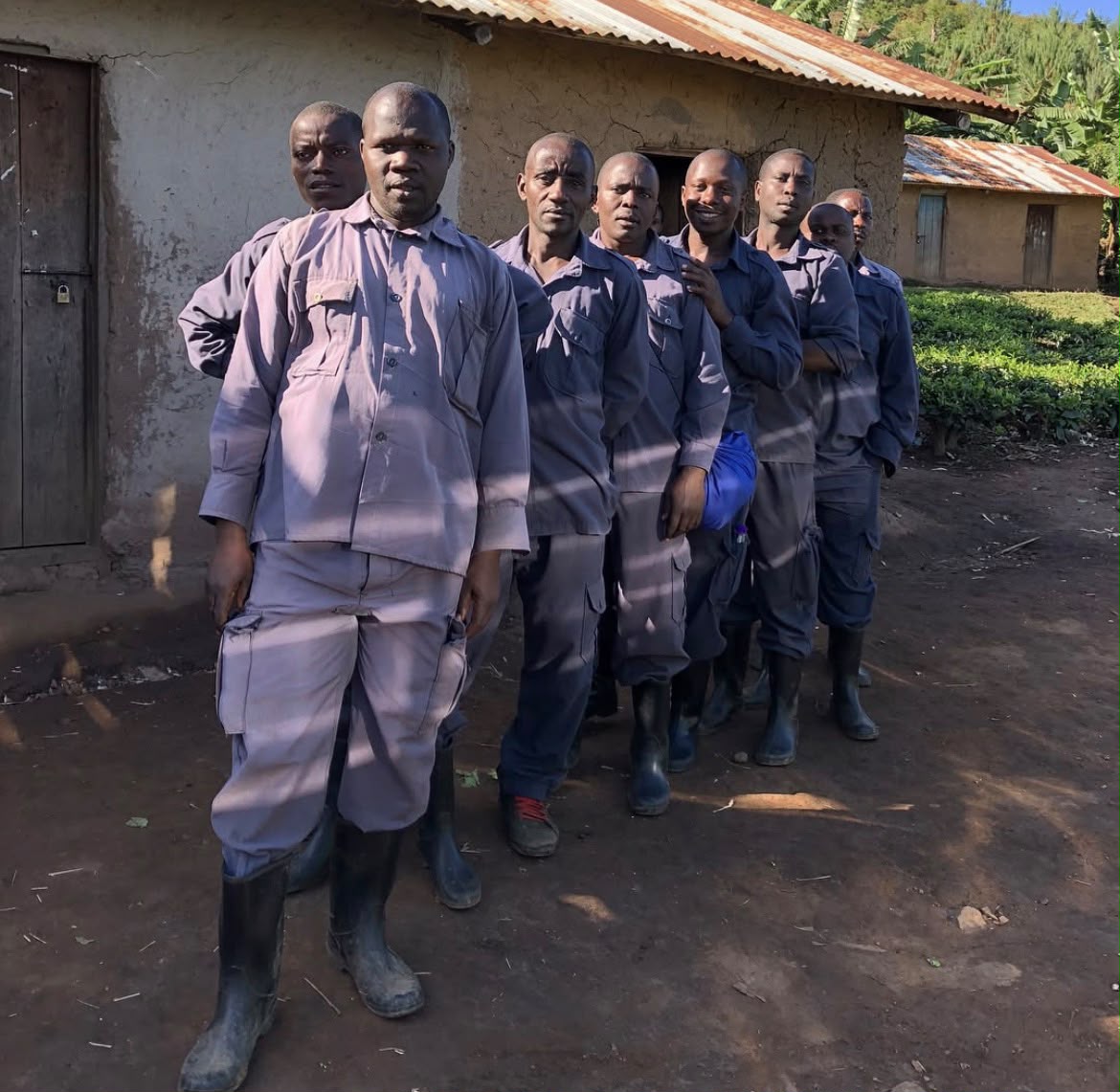
Beyond personal comfort, hiring a porter carries genuine community significance. Porter employment is directly linked to conservation tourism around Bwindi creating local livelihoods that give the communities surrounding the national park a tangible economic stake in the gorillas' continued protection. The modest porter fee is, in this respect, as much a conservation contribution as the permit itself. Tip generously: $10–$20 USD for a standard trek is appropriate and meaningful.
What Not to Bring Into the Forest
Knowing what to leave behind is as important as knowing what to pack. The following items are either prohibited under Uganda Wildlife Authority regulations, impractical in the forest environment, or disruptive to the gorilla encounter.
Leave These Behind
Brightly coloured clothing vivid colours disturb wildlife and are conspicuous in the forest; neutral tones only
Flash photography equipment strictly prohibited under UWA regulations; may cause distress to the gorillas
Umbrellas impractical in dense forest vegetation and unnecessary with a good rain jacket
Strong perfumes or scented products gorillas are highly sensitive to artificial scents; use unscented sunscreen and insect repellent where possible
Single-use plastic bags prohibited within Uganda's national parks as part of the country's nationwide plastic ban
Drones or aerial photography equipment strictly prohibited within Bwindi Impenetrable National Park
Food with strong odours can attract unwanted attention from wildlife and should not be consumed near the gorilla family
Large rolling suitcases on the trek itself your lodge will store main luggage; only the day pack accompanies you into the forest
Seasonal Packing Adjustments
The core packing list remains constant across seasons but Bwindi's distinct wet and dry periods require specific adjustments that make a meaningful difference to comfort on the trail.
Season | Conditions | Additional Recommendations |
|---|---|---|
June – September (Dry) | Cooler mornings, relatively dry trails, clearer skies | Light fleece for morning briefings; standard rain jacket; comfortable trekking conditions throughout |
December – February (Dry) | Warmer, pleasant conditions; occasional afternoon showers possible | Rain jacket remains essential; lighter mid-layer; excellent overall trekking conditions |
March – May (Wet) | Frequent rain; highly muddy trails; lush, dramatic forest | Gaiters strongly recommended; extra socks (2–3 pairs); waterproof pack cover essential; quick-dry everything |
October – November (Wet) | Moderate to heavy rain; atmospheric forest conditions; fewer visitors | As March–May; trekking poles particularly valuable on descent; waterproof gloves preferable to gardening gloves |
The wet season often dismissed as less desirable produces some of the most atmospherically extraordinary gorilla trekking conditions: the forest luminously green, the light soft and filtered, and the trails quieter than at any other time of year. With the right gear, the rain is not a deterrent. It is part of the experience.
The Most Frequently Forgotten Items
After years of pre-departure briefings and post-trek conversations, we have identified the items that experienced travellers pack without thinking and that first-time trekkers most reliably forget. Check each of these specifically before you leave for the park.
Gardening Gloves
The most commonly forgotten essential. Non-negotiable on steep terrain.
Spare Batteries
Cold and extended shooting drain batteries faster than expected.
Pack Rain Cover
Protects camera gear and dry clothing when the forest delivers rain.
Personal Medication
Including antimalarial, pain relief, and any prescription items.
Binoculars
Invaluable for spotting gorillas in the canopy before approaching.
Blister Kit
One blister treated early saves hours of discomfort on the trail.
Sunglasses
Open sections of the trail can be intensely bright in dry season.
Cash for Tips
USD for porter and ranger tips $10–$20 per porter is appropriate.
Lip Balm
Mountain air and exertion combine to make this a quiet essential.
Frequently Asked Questions
Can I wear shorts for gorilla trekking in Bwindi?
No and this applies regardless of the season or temperature. Long trousers are essential protection against the thorny vegetation, stinging nettles, insects, and mud that are constant features of Bwindi's forest trails. No guide would recommend shorts for gorilla trekking, and many would consider them a safety concern on the steeper, more overgrown sections of trail. Lightweight, quick-dry hiking trousers in neutral colours are the correct choice for all conditions.
Do I really need gardening gloves?
Yes and this is perhaps the most universally underestimated item on the packing list. Every trekker who has navigated Bwindi's steep sections will confirm that gripping vegetation for stability is not occasional but continuous. Thorns, nettles, and rough bark make unprotected hands a source of significant discomfort over the course of a multi-hour trek. Simple gardening gloves available at any hardware store for a few dollars eliminate this entirely. They are inexpensive, lightweight, and transformatively useful.
How much water should I carry?
A minimum of two litres per person for a standard trek. For longer treks which can extend to six or eight hours in cases where the gorilla family has ranged far from the trail head three litres is advisable, particularly during the warmer months of December through February. A reusable water bottle or hydration bladder both perform well in the forest; the hydration bladder has the advantage of hands-free drinking during the trek itself.
Is a smartphone sufficient for photography, or do I need a proper camera?
A smartphone will capture meaningful images of the gorilla encounter and many visitors produce images they treasure using only their phone. However, Bwindi's forest is a low-light environment, and the gorillas are found in dense vegetation where the light is filtered, unpredictable, and variable. A DSLR or mirror less camera with a telephoto lens and the ability to shoot at high ISO with fast shutter speed will consistently produce superior results, particularly for close-up portraits and action shots of younger gorillas. If photography is important to you, bring a dedicated camera.
Should I hire a porter even if I am physically fit?
Yes and this recommendation applies equally to experienced hikers and first-time trekkers. The porter's value extends well beyond carrying your pack. They provide stability on the most challenging terrain, local knowledge of the forest that no visitor can match, and a quality of physical support that consistently improves the trekking experience regardless of the client's fitness level. Many of our fittest, most experienced safari clients cite hiring a porter as the single best decision they made on trek day. The community benefit compounds the personal one.
What should I do if I feel unwell on the morning of my trek?
Do not trek. Uganda Wildlife Authority regulations prohibit visitors with cold, flu, or respiratory symptoms from entering the gorilla trekking sector for the protection of the gorillas themselves, who are highly susceptible to human respiratory infections. Inform your guide or lodge manager immediately. In most cases, Savannah Explore Africa can arrange a permit transfer to an alternative date, subject to availability. Your health and the gorillas' well being both require the same decision: rest, recover, and trek when you are genuinely well.
Arrive in Bwindi Ready for Everything with Savannah Explore Africa
Every Savannah Explore Africa client receives a personalised pre-departure briefing covering packing, permits, logistics, and everything in between You do not have to navigate the complex variables of a packing list alone, When you book your expedition through Savannah Explore Africa. The gorillas will take care of the rest.
Begin Your Journey
Your story starts
in East Africa.
Tell us your dates, your dream, and how you like to travel. We will design something extraordinary, only for you.