 Plan This Experience
Horse Riding
Safaris.
On horseback, you enter the landscape as an equal. Zebra and wildebeest do not run. Elephants hold their ground. You ride among the game at their level, in their space, in their world. A horse riding safari delivers encounters that no vehicle and no walking safari can replicate.
Africa on Horseback
The horse is the key that unlocks a dimension of the African safari that no other experience can access. When you approach wildlife on horseback, the dynamic changes completely. The horse is part of the landscape in a way that a vehicle is not and a walking human is not. Zebra, which scatter from a vehicle, graze peacefully twenty metres from a horse. Wildebeest do not break into their defensive gallop. Even elephants, which can be unpredictable on foot, often hold their ground and allow horses to approach at extraordinary close range. The reason is instinctive rather than reasoned: you are simply another animal moving through the landscape, and the game recognises this.
Kenya's Laikipia Plateau is the undisputed centre of the African horse riding safari world. The rolling Laikipia wilderness, covering a vast area of private conservancies and community ranches north of Mount Kenya, has for decades supported some of Africa's finest riding operations at properties including Ol Malo, Borana and Lewa. Here you ride in genuine Big Five territory: elephants, buffalo, lion, leopard and rhino are all present, and encounters on horseback with all of these species are possible and regularly achieved. The horses are experienced, calm and carefully matched to rider ability, and the local guides who lead the rides have accumulated decades of horsemanship and wildlife knowledge.
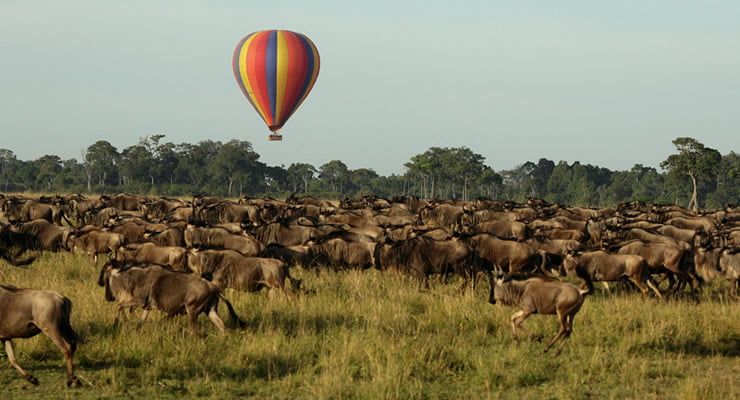
Beyond Laikipia, the Masai Mara conservancies offer riding during and around the Migration season, with the extraordinary possibility of riding among wildebeest herds. Tanzania's Serengeti area and its southern wilderness have dedicated riding safari operators offering multi-day expeditions. Uganda's Lake Mburo National Park, with its rolling savannah and no large predators, is the best entry-level riding safari in East Africa: accessible, beautiful and appropriate for riders of all levels.
Horse riding safaris are not exclusively for experienced riders. Every reputable operator carefully assesses the ability of each rider before the ride and matches horse temperament and ride pace to skill level. Beginners undertake gentle, slow rides on calm horses with close guide supervision. Experienced riders can gallop across the plains with wildebeest. Both are extraordinary.
Finest horse riding safari in Africa
Full day with bush lunch
3 to 7 day expeditions
The Best Riding Destinations
Laikipia Plateau
The Laikipia Plateau in central Kenya is the finest horse riding safari destination in Africa and one of the finest in the world. A vast mosaic of private conservancies and community-run wildlife areas north and west of Mount Kenya, Laikipia supports one of Kenya's highest wildlife densities outside the Masai Mara, including the country's largest private rhino population, significant elephant herds, lion, leopard, cheetah, wild dog, zebra, reticulated giraffe and huge populations of plains game.
The region's long tradition of conservation ranching, dating back to the colonial era, has produced a generation of Kenyan and international horsemen who have spent decades perfecting the art of the wildlife riding safari. Properties including Ol Malo, Borana, Lewa Downs and Laikipia Wilderness Camp operate some of Africa's best riding programmes. Horses are carefully selected and trained to be calm around wildlife. Rides move through genuine wilderness at all paces from gentle walk to full gallop, with the pace always dictated by rider confidence and wildlife conditions.

Masai Mara Conservancies
Riding in the Masai Mara during Migration season is one of the most extraordinary wildlife experiences available anywhere on earth. The private conservancies bordering the national reserve permit horse riding, and during the peak months of July to October when the wildebeest herds are present on the Mara side of the border, rides move through and alongside herds that can number in the tens of thousands. The wildebeest treat horses with the same indifference they show to zebra and the experience of cantering alongside a vast herd is unlike anything else in Africa.
Mara-based riding is primarily offered through lodge-based programmes rather than dedicated riding camps. The terrain is open rolling grassland, ideal for all paces. Outside Migration season, resident plains game including zebra, topi, eland, giraffe and large lion prides make the Mara excellent riding country year-round. Some private conservancy operators in the greater Mara ecosystem specialise in riding-focused guests and can build complete riding-centred safari itineraries.
Tanzania: Serengeti Region and Southern Wilderness
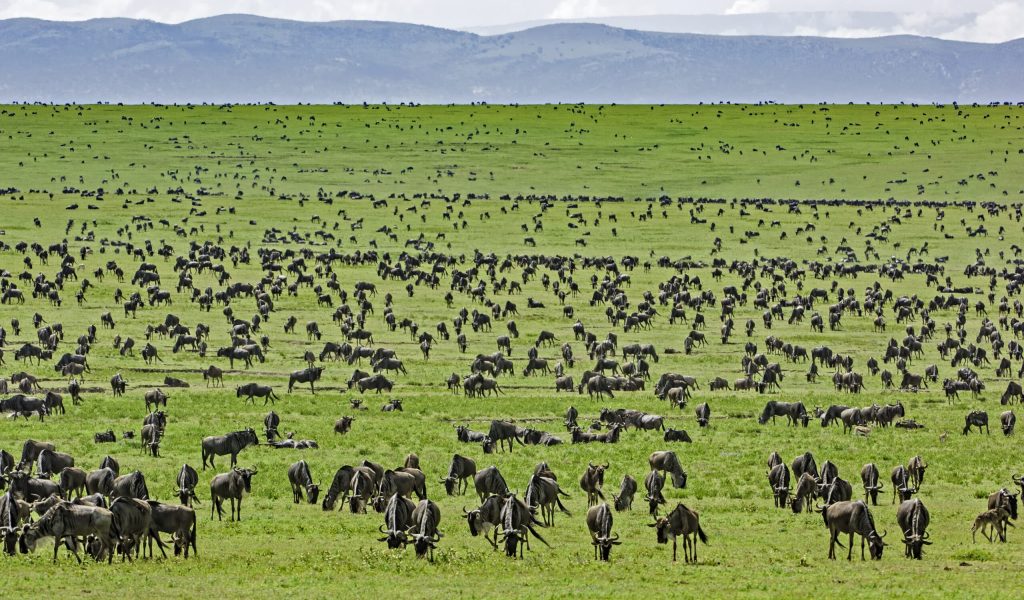
Tanzania's riding safari offering is smaller than Kenya's but no less spectacular in terms of landscape and wildlife. The Serengeti region has a small number of high-quality operators offering multi-day riding expeditions through the ecosystem on the periphery of the national park where riding is permitted. The vast golden grasslands of the Serengeti, the kopje rock formations and the baobab-dotted landscapes of Tarangire provide an extraordinary backdrop for riding. Southern Tanzania's Ruaha wilderness is particularly remote and offers expeditions for experienced riders wanting genuinely off-the-map riding in one of Africa's least-visited wilderness areas.
Tanzania's riding safari operators typically run camp-to-camp multi-day expeditions: you ride each day, moving through the landscape, with a camp that is either pre-set at your destination or that follows you in a support vehicle. Nights are spent under canvas in remote locations. This format is the closest available equivalent to the classic East African safari as it was conducted before motorised vehicles.
Lake Mburo National Park
Lake Mburo National Park is the only national park in Uganda where horse riding is permitted and the only one without large predators, making it the best entry-level riding safari destination in East Africa. The park's rolling savannah, acacia woodland and lake shore support zebra, impala, topi, eland, hippo and waterbuck, all of which can be approached on horseback at very close range. The park's UWA-run horse riding programme offers one to two hour rides guided by experienced rangers.
Lake Mburo's great value is its accessibility and appropriateness for all riders. Being on the main Kampala to Bwindi gorilla trekking route, it fits naturally into any Uganda itinerary as an afternoon stop. A two-hour evening ride followed by a sundowner at the lake shore is one of the most pleasant experiences available on the Kampala to Bwindi corridor and costs a fraction of the Kenya riding programmes while delivering genuinely outstanding wildlife on horseback.
Choose Your Riding Experience
Half Day Ride
Two to three hours in the morning or afternoon, departing from a lodge or camp. Covers 10 to 20 kilometres of bush at walk, trot and canter. Appropriate for beginner to intermediate riders. The most commonly included riding format on a standard safari itinerary. Often paired with a game drive morning or afternoon.
Full Day Ride
A full day in the bush covering 25 to 40 kilometres with a packed lunch eaten in the field. The full day format allows the ride to reach areas of the conservancy not accessible on shorter rides and significantly increases the chances of extended wildlife encounters. Requires good fitness and intermediate riding ability at minimum.
Multi-Day Expedition
Three to seven days riding through consecutive wilderness areas, sleeping in pre-set or mobile camps each night. The definitive horse safari experience. Available in Laikipia and Tanzania's wilderness areas. Covers vast distances at all paces and immerses riders completely in the landscape over multiple days. For confident intermediate to advanced riders.
Your Riding Safari in Detail
The Horses
East Africa's riding safari operators maintain their own horse herds, bred and trained specifically for wildlife work. The horses are typically Thoroughbred-crosses or warmbloods: athletic enough for galloping but calm enough to handle unexpected wildlife encounters. They are accustomed from early training to the sights, sounds and smells of African wildlife. A horse that has grown up around elephants and buffalo develops a composure that a horse imported from elsewhere simply does not have.
Before every ride, your guide assesses your riding ability through conversation and a short test in the paddock area. They then select a horse appropriate to your level and the planned ride. Beginners receive calm, steady horses with excellent manners. Experienced riders may be offered more forward-going horses with greater pace and responsiveness. The guide's horse assessment is professional and never demeaning: its only purpose is to keep both you and the horse safe and to maximise your enjoyment.
Wildlife Encounters on Horseback
The central question for first-time riding safari guests is always: what happens when we encounter dangerous wildlife? The answer is different for different species. Elephant encounters on horseback are managed by the guide positioning the group upwind and downwind depending on the wind and the elephant's behaviour. Horses that have grown up around elephants show no fear and the combination of horse-scale and human presence is generally non-threatening to habituated elephant herds. Buffalo are treated with greater caution and the guide controls approach distance carefully.
Lion sightings from horseback are among the most extraordinary wildlife encounters available in East Africa. Lions do not perceive horses as prey and typically regard a small group of horses with curiosity rather than aggression. The experience of walking your horse to within thirty metres of a resting lion pride on open grassland is one that cannot be replicated from a vehicle or on foot. Your guide's deep experience with these specific animals and this specific landscape is the foundation of the entire experience.
Getting the Most From Your Riding Safari
Wear the Right Clothes
Long trousers are essential to prevent chafing: jodhpurs or riding tights are ideal but any close-fitting long trouser works. Avoid baggy trousers that bunch against the saddle. Long-sleeved neutral-coloured shirts protect from sun and insects. Closed-toe shoes with a small heel are required for safe stirrup use. Most operators provide helmets. Bring your own if you are particular about fit.
Be Honest About Your Ability
Telling the guide you are a more experienced rider than you are is the single most common and most dangerous mistake on a riding safari. Operators match horse temperament and ride pace to rider ability. An experienced guide will always identify a mismatch quickly but the few minutes before they do can be uncomfortable or unsafe. Be truthful. A beginner on a beginner's ride in Laikipia or Lake Mburo is an extraordinary experience. The pace is not the point.
Photography on Horseback
Photographing wildlife from horseback is challenging and rewarding. A mirrorless camera with a 70-200mm lens on a wrist strap rather than a neck strap is the most practical setup: accessible quickly, secure if you need both hands and light enough not to unbalance you in the saddle. Do not attempt to use a long telephoto lens on horseback. The approach distances to wildlife on horseback are close enough that a standard zoom delivers excellent results.
Morning Rides Are Best
Morning rides, departing before 7am, deliver the best wildlife activity, the best light for photography and the most comfortable temperatures. Afternoon rides are also excellent as animals concentrate at waterholes and the golden hour light is extraordinary. Midday rides are avoided by all serious operators: the heat is intense, wildlife is inactive and both horse and rider are uncomfortable. Always ask for the earliest available departure.
Book Laikipia in Advance
The best Laikipia riding properties have limited capacity: most accommodate 8 to 12 riders maximum. Borana, Ol Malo and Lewa frequently sell out months ahead in peak season (January to February and June to September). Book your riding safari at the same time as your lodge, not as an add-on after arrival. We arrange riding itineraries as part of the booking process across all three countries.
Start with Lake Mburo
If you are unsure whether horse riding is for you, Lake Mburo National Park in Uganda offers the ideal introduction: no predators, gentle rolling terrain, superb wildlife and a short ride that gives you a clear sense of what the experience delivers without committing to a full Laikipia expedition. Most guests who try Lake Mburo immediately want to book Laikipia. It is an excellent first step into the world of the riding safari.
Horse Riding Safaris in Pictures