 Plan This Experience
Gorilla
Trekking.
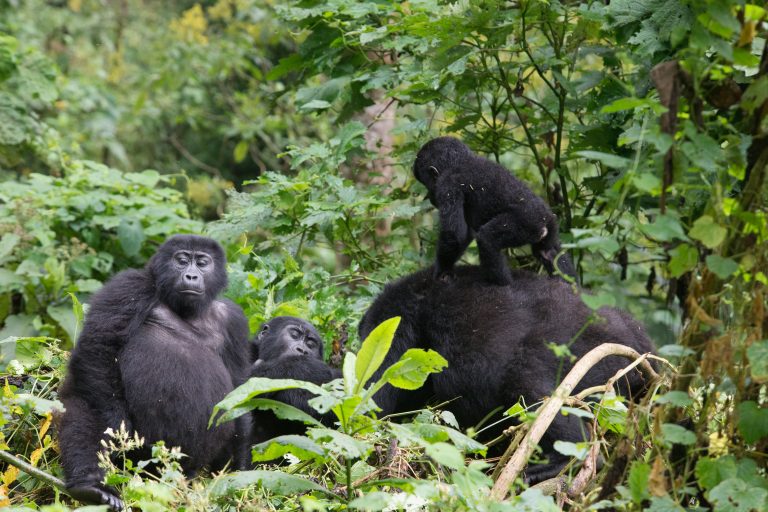
Only 1,063 mountain gorillas remain on Earth. Every encounter is with a wild, habituated family in their natural rainforest home. One hour. Seven metres. An experience that reframes everything you thought you knew about wildlife.
What is Gorilla Trekking?
Gorilla trekking is the act of hiking through the dense rainforests of Central Africa to find and spend time with a habituated family of wild mountain gorillas. It is a guided activity conducted under strict regulations designed to protect the gorillas and provide visitors with a meaningful, sustainable encounter. There is no zoo enclosure, no barrier, no glass. You are in the forest with the gorillas, watching them go about their morning.
The experience begins at park headquarters at 7am where rangers brief groups on gorilla behaviour, the minimum distance of seven metres, how to behave if a silverback charges (crouch, do not run, do not make eye contact), and what to do in the forest. Groups set off on foot with armed rangers and experienced trackers who have often located the gorilla family the previous evening by following their evening nesting site.
The trek itself can last anywhere from one hour to eight hours depending on where the gorillas have moved. Once the family is found, you have exactly one hour in their presence. That hour is unlike anything else in wildlife travel. Watching a silverback eat, a mother nurse her infant, two juveniles tumble through the undergrowth at your feet, or a young male test his courage against the group's dominant male is a completely absorbing, humbling and occasionally overwhelming experience that very few visitors can describe without reaching for words that feel inadequate.
The gorillas are habituated, meaning they have been gradually accustomed to human presence over years by park researchers and trackers. They are not tame and they are not captive. They are entirely wild animals who happen to tolerate human observers. This distinction matters enormously to the quality of the encounter.
Mgahinga (Uganda)
Volcanoes NP (Rwanda)
USD 1,500 Rwanda
Your Gorilla Trek
Hour by Hour
Wake Up and Transfer
Your lodge will have arranged an early breakfast for 5 to 5.30am. The transfer to park headquarters takes 20 to 60 minutes depending on your lodge location. This early start is partly logistical and partly experiential: the forest at dawn, in the cold air before the sun rises over the volcanic peaks, is one of the most atmospheric settings in Africa. Your guide will use the transfer time to brief you further on what to expect.
Park Headquarters Briefing
All trekking groups assemble at park headquarters for a 30-minute briefing by Uganda Wildlife Authority or Rwanda Development Board rangers. The briefing covers gorilla behaviour, what to do if a silverback charges (stay still, crouch, look away, do not run), the seven-metre distance rule, no-flash photography, no eating or drinking near the gorillas, and the behaviour of specific family members of the group you will visit. You will be assigned a group and told which family you will track.
The Trek Begins
Groups set off into the forest. The terrain in both Uganda and Rwanda involves steep, often muddy slopes. You will move through dense vegetation, crossing streams on log bridges, pushing through bamboo and holding onto vegetation for support on steep sections. Porters are available to carry your daypack and assist you on difficult terrain, and are highly recommended. The pace is set by the lead tracker who is following signs of where the gorillas moved since last evening. You may hear the gorillas before you see them: vocalizations, the sound of vegetation being pushed aside, or the deep chest-beat of a silverback advertising his presence.
The Encounter Begins
When the trackers signal that the family is nearby, the group stops and the lead ranger gives final instructions in a whisper. You move in slowly and quietly. The first glimpse of a gorilla is almost always a shock of scale: these are enormous animals. A silverback male weighs 160 to 230 kilograms, stands over 1.7 metres tall and has an arm span of 2.6 metres. Watching one move through the forest with the absolute authority of an animal that has no natural predators is something that fundamentally recalibrates your sense of scale in the natural world.
Your Hour with the Family
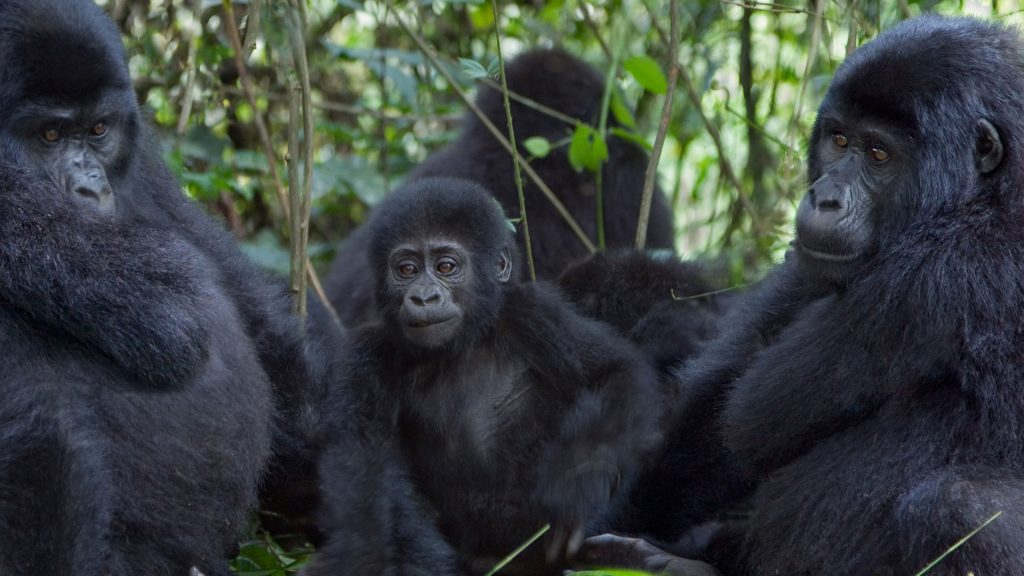
The one-hour clock starts when the first person in your group sees a gorilla. During that hour the family may move through you, rest, feed, play, groom each other or simply sit and observe you with the calm, philosophical gaze of an animal that has decided you are neither interesting nor threatening. Juveniles are the most active and often come closest. The silverback will periodically position himself between you and the rest of the family, performing his role. Camera shutters click. People cry, quietly. At the end of the hour, your ranger will announce that time is up and the group moves away from the family, leaving them entirely undisturbed.
Return and Certificate
The trek back to headquarters is typically faster than the outbound journey. At headquarters, each trekker receives a certificate documenting which family they visited, the date and the location. Most lodges arrange a special celebratory lunch or dinner for returning trekkers. The afternoon is typically spent quietly processing the experience, sharing photographs, and working out whether anything you might do on the rest of your trip could possibly come close to matching what you just experienced. Very little can.
Uganda vs Rwanda
Both countries offer extraordinary encounters with the same species. The differences are real and worth understanding before you choose.
Bwindi Impenetrable Forest
Uganda is home to over 530 mountain gorillas, more than half the world's total population. Bwindi Impenetrable Forest has 19 habituated gorilla families spread across four sectors, each offering a different trekking experience. The forest is genuinely dense, ancient and challenging. Treks are more demanding than Rwanda but feel wilder and more adventurous. The lodge scene is excellent with intimate forest lodges from budget to ultra-luxury.
Volcanoes National Park
Rwanda has positioned itself as a premium gorilla destination with permits at USD 1,500 and some of Africa's finest lodges at Bisate, Singita Kwitonda and One&Only Gorilla's Nest. The park covers the Rwandan slopes of the Virunga volcanoes. Treks are generally shorter and the terrain more compact than Uganda's Bwindi. The experience is highly managed, uncrowded and polished. Rwanda is also easily combined with Akagera for Big Five game drives.
Choosing Your Sector
Bwindi's four trekking sectors are each distinct in terrain, accessibility and atmosphere. Your sector choice significantly affects the character of your experience.
The original and most accessible gorilla trekking sector, Buhoma sits at the northern edge of Bwindi and is the easiest to reach from Queen Elizabeth National Park. It has the most established lodge infrastructure and the highest visitor numbers of any sector. Treks from Buhoma are typically moderate in length. The Mubare family, the first habituated in Uganda, is tracked from here.
Ruhija is Bwindi's highest sector, sitting at over 2,300 metres on a mountain ridge with extraordinary views over the surrounding forest. The high altitude means the terrain is steep and cold by East African standards. Ruhija is significantly less visited than Buhoma and offers a genuine sense of wilderness. It is also Bwindi's premier birding location with the highest number of Albertine Rift endemics found in any sector.
Rushaga has the most habituated gorilla families of any sector in Bwindi, making it the most likely sector to have permit availability. It also offers the gorilla habituation experience, a full day spent with researchers and a gorilla family in the process of habituation, which provides a much longer and more intimate encounter than the standard one-hour trek. Rushaga is in southern Bwindi and is the closest sector to the Rwanda border, making it ideal for combined Uganda-Rwanda itineraries.
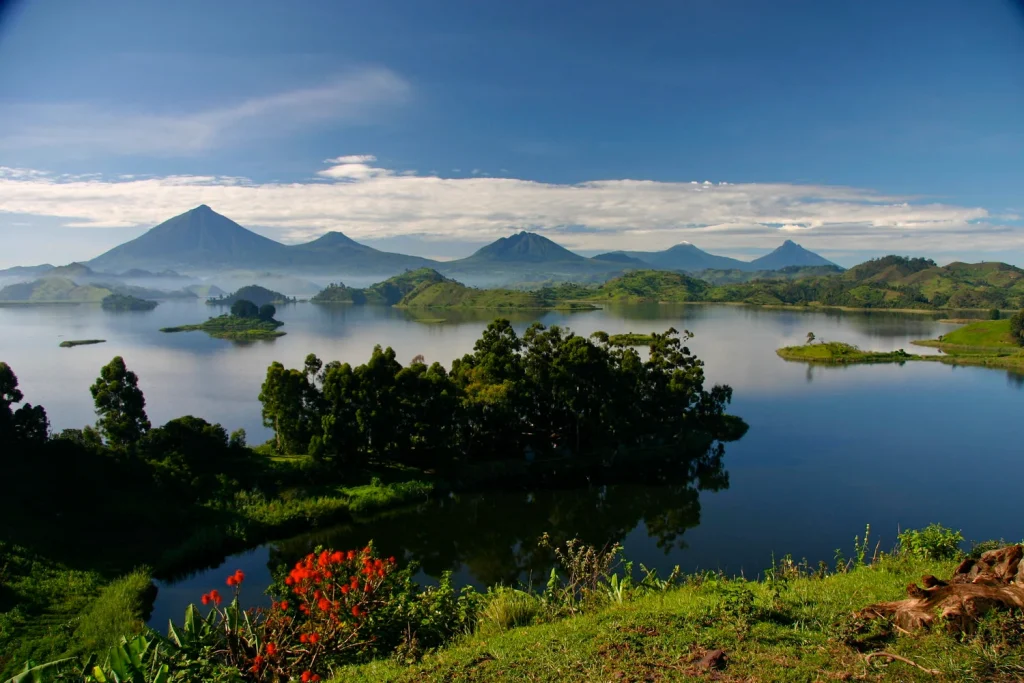
Nkuringo is Bwindi's most remote and dramatic sector. The gorilla families here range across very steep terrain with some of the longest and most physically demanding treks in Uganda. In return, Nkuringo offers extraordinary scenery with views across the Virunga volcanoes into Rwanda and the Democratic Republic of Congo. The Nkuringo family itself is known for its large size and the remarkable accessibility of its silverback, who often sits very close to trekking groups. For experienced hikers seeking the most adventurous Bwindi experience, Nkuringo is the answer.
Gorilla Trekking in Pictures
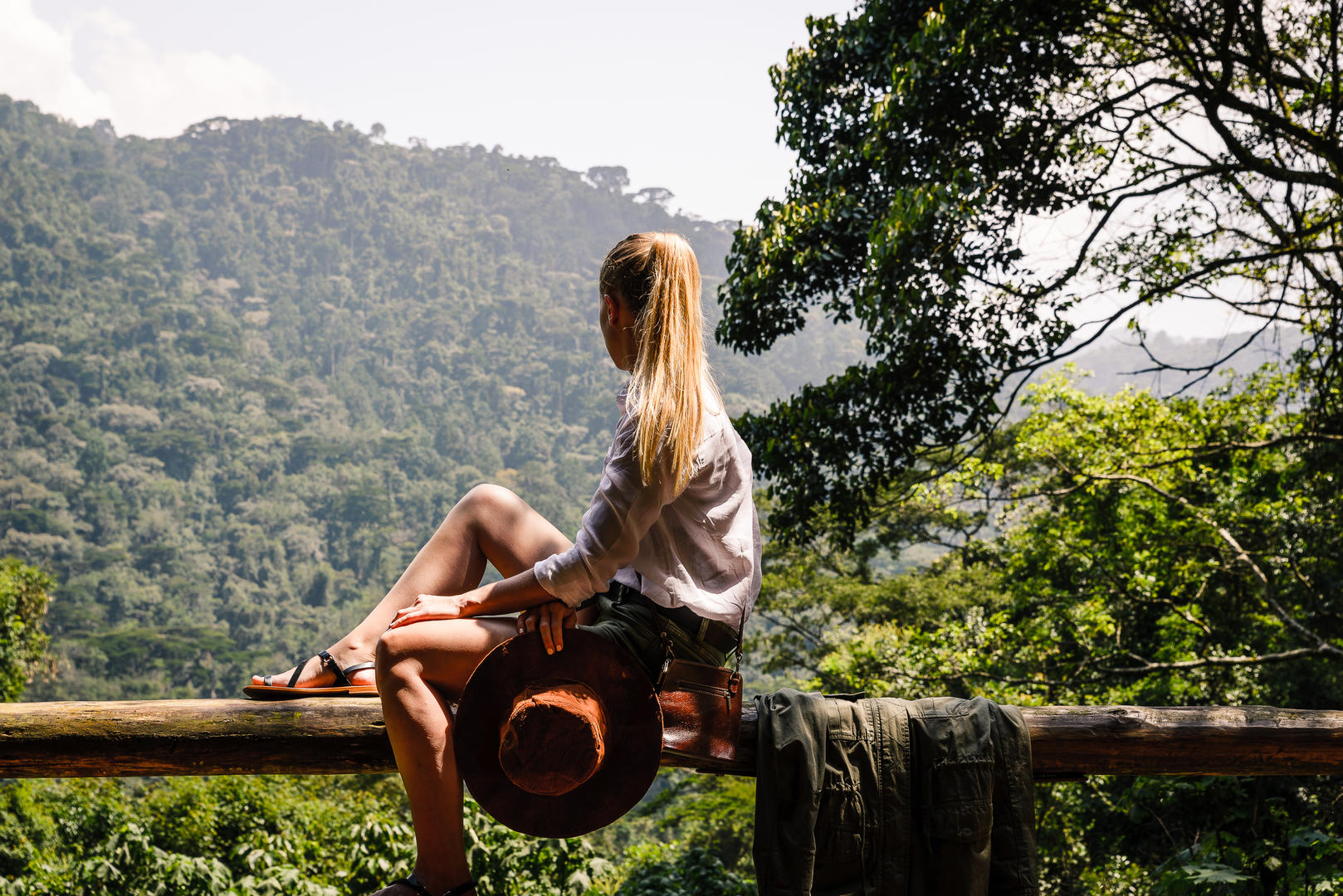
How Hard is Gorilla Trekking?
Trek difficulty varies enormously by sector, season and where the gorillas have moved. This guide helps you choose the right sector for your fitness level.
Who It Suits
Trekkers who are reasonably fit but not athletic. Older visitors. Those with minor mobility considerations. Anyone who wants to maximise enjoyment without physical struggle.
- Rwanda: Volcanoes NP (Susa or Umubano family)
- Uganda: Buhoma sector, Habinyanja or Mubare family
- Duration: typically 2 to 3 hours
- Terrain: less steep, some flat sections
- Always hire a porter regardless
- Trekking poles strongly recommended
The Standard Experience
The majority of gorilla treks fall into this category. Suitable for most reasonably active visitors. Expect steep sections, muddy trails and a genuine physical workout.
- Uganda: Rushaga or Ruhija sectors
- Rwanda: most Volcanoes NP families
- Duration: 3 to 5 hours typically
- Terrain: steep forest slopes, muddy in wet season
- Good ankle-support boots essential
- Gardening gloves for gripping vegetation
For Active Trekkers
Some sectors involve very long, steep and physically demanding treks. Gorillas move far overnight on steep terrain. These should only be attempted by fit, confident hikers.
- Uganda: Nkuringo sector, remote families
- Ruhija on days when gorillas have moved deep
- Duration: 6 to 8 hours possible
- Terrain: extremely steep, dense vegetation
- High quality waterproof boots essential
- Porter and guide assistance critical
- ·Long waterproof trousers
- ·Long-sleeved moisture-wicking shirt
- ·Waterproof jacket (essential)
- ·Sturdy ankle-support hiking boots
- ·Long socks (over trouser bottoms)
- ·Gardening gloves for vegetation grip
- ·Wide-brim hat
- ·Trekking poles (hire at park gate)
- ·Small daypack (porter carries it)
- ·1.5 litres of water minimum
- ·Energy snacks for the trail
- ·DEET insect repellent
- ·Sunscreen (forest gaps can burn)
- ·Small first aid kit
- ·Camera with 100-400mm zoom lens
- ·No flash photography permitted
- ·High ISO capability (dark forest)
- ·Waterproof camera bag or cover
- ·Multiple charged batteries
- ·Multiple memory cards
- ·Silica gel sachets (humidity)